Dinner · Part 1 of 3: Ingredients
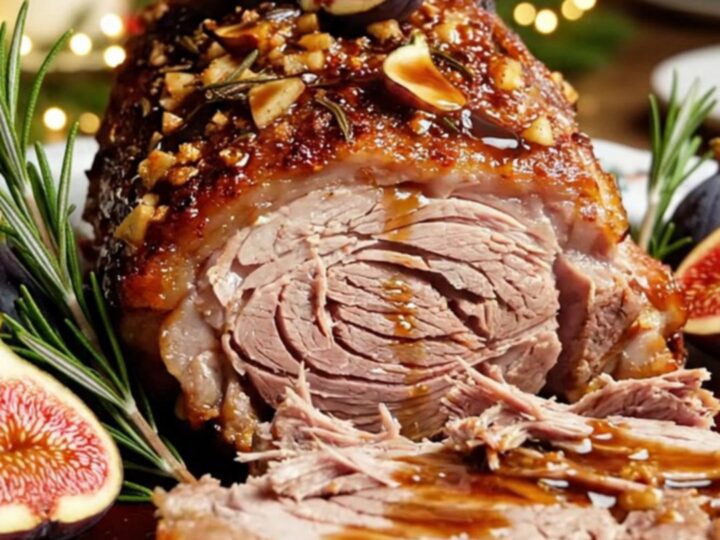
Crockpot Rosemary Garlic & Fig Glazed Rack of Pork
- Prep
- Cook
- Total
- Serves
- 8
Transforming a standard rack of pork into an elegant holiday centerpiece has never been easier thanks to the convenience of a slow cooker. This recipe balances the deep, earthy notes of fresh rosemary with the luxurious sweetness of black fig jam and the sharp acidity of balsamic vinegar.
It is the perfect solution for hosts who want to spend less time in the kitchen and more time enjoying the company of their guests during special occasions.
The magic of this dish lies in the gentle, slow-cooking environment of the Crockpot, which ensures the pork remains incredibly succulent while allowing the glaze to reduce into a rich, flavorful coating.
By searing the meat first, you lock in the savory crust of garlic and herbs, creating a professional-quality result with minimal active work. This centerpiece dish is designed to impress, offering a sophisticated flavor profile that pairs beautifully with seasonal sides and roasted vegetables for any gathering or celebratory dinner.
Ingredients
Main
- 4.5 lb bone-in rack of pork, French-trimmed
Rub
- 4 cloves garlic, crushed
- 2 tbsp fresh rosemary, minced
- 1 tsp sea salt
Glaze
- 1 cup black mission fig jam
- 1/3 cup balsamic vinegar
- 1/2 cup chicken stock
Why this recipe works
The slow-cooking method is ideal for a rack of pork because it maintains moisture while tenderizing the meat over several hours. Unlike oven roasting, which can sometimes dry out the delicate loin, the Crockpot provides a constant, humid heat that keeps the pork juicy. This technique allows the connective tissues to soften, ensuring that every slice is tender and effortless to carve for your guests.
The combination of ingredients creates a complex flavor profile that develops deeply over time. The fig jam provides a natural, jammy sweetness that caramelizes as it cooks, while the balsamic vinegar adds a necessary acidity to cut through the richness of the pork.
The fresh rosemary infuses the entire rack with a woody, aromatic fragrance, and the garlic provides a sharp, savory base that anchors the sweet and tangy notes of the glaze.
Notes and substitutions
When selecting a rack of pork, look for one that is French-trimmed, which means the meat has been cleaned away from the ends of the bones. This not only looks more elegant on a platter but also makes the carving process much smoother. If you cannot find a French-trimmed rack, ask your local butcher to prepare it for you. Ensure the rack fits comfortably in your slow cooker before you begin the searing process.
Equipment choice plays a significant role in the success of this recipe. A standard oval-shaped Crockpot works best for a rack of pork, as it accommodates the length of the roast better than a round model.
Always use a reliable digital meat thermometer to check for doneness, as slow cookers can vary in temperature. Using fresh rosemary is highly recommended over dried, as the essential oils in fresh herbs provide a much brighter and more authentic flavor for the reduction.
- Black mission fig jam: Apricot preserves or date paste for a similar sweetness and consistency.
- Chicken stock: Vegetable stock or dry white wine for a slightly different depth of flavor.
Equipment
- Crockpot slow cooker
- Large skillet
- Chef's knife
- Pastry brush
- Meat thermometer
- Cutting board
- Tongs
Up next · Part 2 of 3
3 steps · 5 h of cooking · what to look for at each stage
Step-by-step instructions (Part 2)