Dinner · Part 1 of 3: Ingredients
Crockpot Pork Shoulder with Yukon Gold Potatoes and Carrots
- Prep
- Cook
- Total
- Serves
- 8
This is the slow cooker dinner that practically makes itself: a hefty pork shoulder, a pile of baby Yukon Gold potatoes, thick-cut carrots, and a whole stick of salted butter. You simply layer everything in the Crockpot, set the timer, and walk away.
Eight hours later, the pork is so tender it falls apart at the touch of a fork, the vegetables have soaked up all that buttery goodness, and the pan juices have reduced into a rich, emulsified sauce.
Slow-cooked pork shoulder is the ultimate set-it-and-forget-it dinner. This version keeps the ingredient list short and the flavor pure: a well-marbled Boston butt roast, humble Yukon Gold potatoes, sweet heirloom carrots, and a generous knob of salted butter.
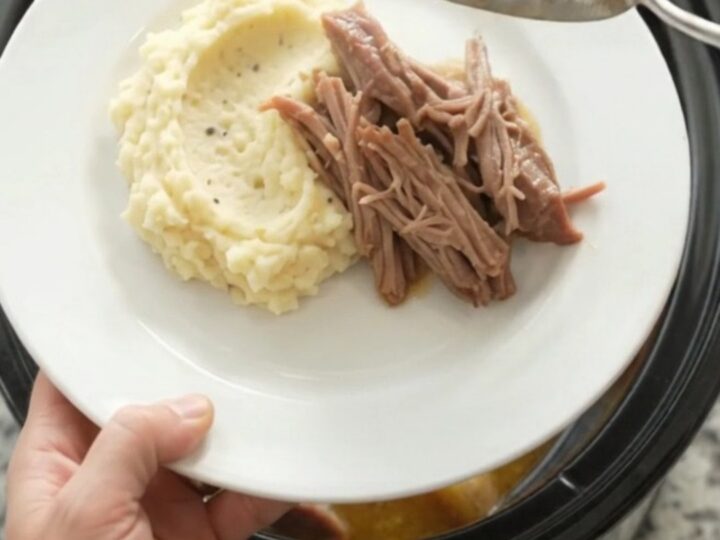
The slow cooker does all the work, turning a tough cut into melt-in-your-mouth meat while the vegetables braise in the savory butter jus. Serve it straight from the pot for a rustic family supper, or pile the pork over creamy mashed potatoes for a more polished plate. Either way, it's comfort food at its most effortless.
Ingredients
- 4 lb boneless pork shoulder roast (Boston butt)
- 1 1/2 lb baby Yukon Gold potatoes, halved
- 1 lb heirloom carrots, thick-cut
- 1/2 cup salted butter (1 stick)
Why this recipe works
Pork shoulder, also called Boston butt, is a heavily marbled cut that needs long, moist heat to break down its collagen into gelatin. The slow cooker provides exactly that: a low, steady temperature that gently renders the fat and turns the meat silky and tender.
As the pork cooks, it releases rich juices that mingle with the butter, creating a deeply flavorful cooking liquid that seasons the vegetables.
The butter is the secret here. It melts over the roast and emulsifies with the meat juices and vegetable starches, forming a glossy, velvety pan sauce that clings to every bite.
The Yukon Gold potatoes, with their naturally buttery texture, and the sweet carrots absorb this liquid as they cook, becoming soft and infused with flavor. The result is a one-pot meal where every component tastes like it was braised together for hours—because it was.
Notes and substitutions
Choose a pork shoulder with good marbling; the fat keeps the meat moist during the long cook. Baby Yukon Gold potatoes are ideal because they hold their shape and have a creamy texture, but any waxy potato works. Heirloom carrots add a sweet, earthy note, though regular carrots are just fine. Use salted butter for the best flavor—if you only have unsalted, add a pinch of salt to the pot.
A 7-quart slow cooker is the right size for this recipe; a smaller one may crowd the ingredients. You can use a 6-quart if needed, but check that the roast fits comfortably. No need to brown the pork first—this recipe relies on the slow cooker to develop flavor. For the most tender results, cook on low rather than high; the low setting allows the collagen to break down gradually.
- baby Yukon Gold potatoes: regular Yukon Gold or red potatoes, cut into 1-inch chunks
- heirloom carrots: standard carrots, peeled and cut into thick coins
- salted butter: unsalted butter plus 1/2 teaspoon kosher salt
- boneless pork shoulder: bone-in pork shoulder (increase cook time by 1-2 hours)
Equipment
- 7-quart slow cooker (Crockpot)
- Cutting board
- Chef's knife
- Measuring cups
- Serving spoon
- Instant-read thermometer
Up next · Part 2 of 3
6 steps · 8 h of cooking · what to look for at each stage
Step-by-step instructions (Part 2)