Appetizers · Part 1 of 3: Ingredients
Crockpot Pineapple Sausage with a Sticky Sweet Glaze
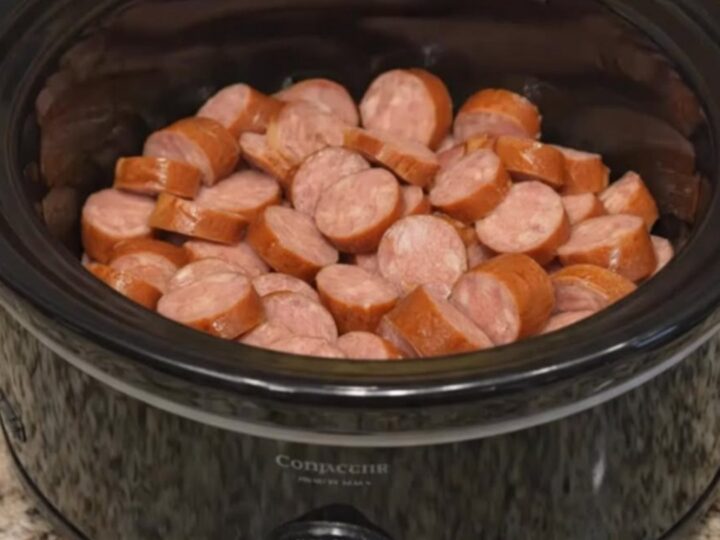
- Prep
- Cook
- Total
- Serves
- 8
Few appetizers command a crowd quite like a warm, bubbling pot of sweet and savory glaze coating juicy bites of meat. This slow cooker pineapple sausage recipe is the ultimate set-it-and-forget-it party food, combining the deep, smoky flavor of cured sausage with the bright, tropical sweetness of golden pineapple chunks. It is a foolproof crowd-pleaser that requires almost zero prep work but delivers maximum flavor impact every single time.
When planning a gathering, game day, or even a simple weeknight family dinner, efficiency is just as important as taste. This classic recipe solves both challenges by utilizing the slow cooker to gently simmer smoked sausage slices with sweet pineapple chunks.
As the ingredients cook, the natural sugars in the pineapple juice melt together with the savory, salty depth of the smoked sausage, creating a sticky coating that clings beautifully to every single bite. It is a nostalgic, comforting dish that appeals to guests of all ages.
Ingredients
- 1 lb smoked sausage, sliced into 1/2-inch rounds
- 20 oz canned pineapple chunks, with their juice
Why this recipe works
The magic of this recipe lies in the slow, gentle heat of the crockpot, which allows the flavors to deeply penetrate the smoked sausage. Unlike quick stovetop cooking, slow simmering draws out the savory fats from the sausage, blending them seamlessly into the sweet pineapple juices.
This process creates a cohesive, emulsified glaze that is rich and balanced rather than cloyingly sweet. The consistent temperature also ensures the pineapple chunks soften slightly without breaking down completely, preserving their pleasant texture.
Additionally, using a slow cooker prevents the sugars in the pineapple juice from burning. On a stovetop, a glaze with high sugar content requires constant stirring and vigilance to avoid scorching.
In the crockpot, the moisture is trapped under the lid, creating a self-basting environment where the steam condenses and drips back down. This keeps the sausage incredibly juicy and ensures the pineapple juice caramelizes slowly and safely, resulting in a glossy, professional-looking finish with minimal effort on your part.
Notes and substitutions
Choosing the right sausage is key to the success of this dish. A high-quality hardwood-smoked sausage or kielbasa provides the perfect smoky counterpoint to the sweet pineapple. If you prefer a lighter option, smoked turkey sausage works beautifully, though you may lose a tiny bit of the rich mouthfeel that pork or beef sausage provides.
For the pineapple, canned chunks in heavy syrup are highly recommended over those in light juice, as the syrup helps create a thicker, stickier glaze during the reduction process.
If you want to customize the flavor, a splash of apple cider vinegar or a pinch of red pepper flakes can be added to introduce a tangy or spicy kick. Ensure your slow cooker is clean and dry before starting, and consider using a liner for the easiest possible cleanup after the sticky glaze sets. Since this recipe relies entirely on the interaction between the sausage and the pineapple, using premium ingredients will yield the best results.
- smoked sausage: Kielbasa, turkey sausage, or chicken sausage can be used instead of traditional smoked sausage.
Equipment
- Slow cooker
- Cutting board
- Chef's knife
- Mixing spoon
- Measuring cups and spoons
Up next · Part 2 of 3
4 steps · 2 h of cooking · what to look for at each stage
Step-by-step instructions (Part 2)