Dinner · Part 1 of 3: Ingredients
Crockpot Parmesan Chicken for Easy Weeknight Dinners
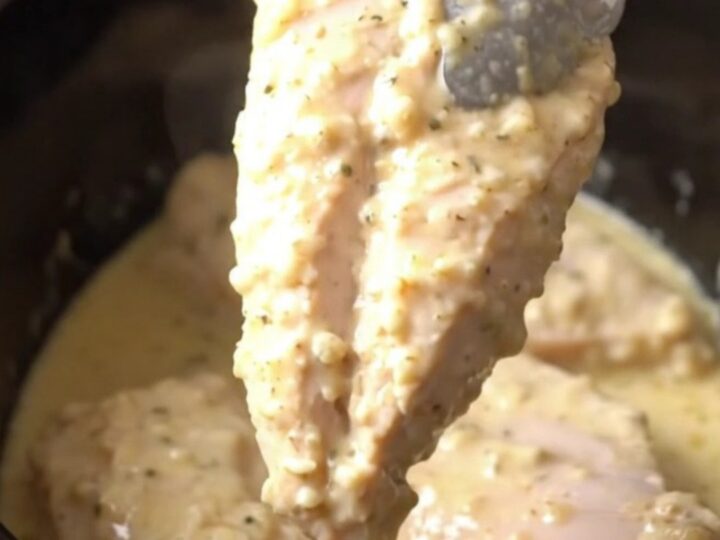
- Prep
- Cook
- Total
- Serves
- 4
Create a restaurant-quality meal with minimal effort by utilizing the slow cooker for this creamy parmesan chicken. This dish relies on simple pantry staples to build a rich, savory sauce that clings to every bite of tender chicken, making it an ideal solution for busy weeknights when time is short and hunger is high.
Experience how the slow cooking method transforms basic ingredients into a comforting, sophisticated meal that feels like it took hours of preparation.
This crockpot parmesan chicken is a masterclass in simplicity, requiring only four main ingredients to deliver a deeply satisfying result. By slow-cooking boneless, skinless chicken breasts in a mixture of mayonnaise, garlic powder, and parmesan, the meat remains incredibly moist while the sauce thickens into a luxurious coating.
It is the perfect recipe for those who appreciate efficient, low-stress cooking that does not compromise on flavor or texture. Whether served over steamed rice, pasta, or alongside roasted vegetables, this dish provides a reliable, hearty centerpiece for any meal.
Ingredients
- 4 whole boneless skinless chicken breasts
- 1/2 cup grated parmesan cheese
- 1 tsp garlic powder
- 1/2 cup mayonnaise
Why this recipe works
The slow cooker environment is ideal for chicken breasts, which can easily dry out when cooked using high-heat methods. By gently simmering the meat in a thick, creamy sauce, the moisture is locked in, resulting in a tender texture that practically melts in the mouth. The combination of mayonnaise and parmesan creates a stable emulsion that does not break down during the long cooking time, ensuring a consistent, velvety sauce.
Using a slow cooker allows for a hands-off approach that concentrates the flavors of the garlic and parmesan as they infuse into the chicken. The low, steady heat ensures that the garlic powder blooms properly and the parmesan melts into the mayonnaise, creating a deeply savory profile.
This method is highly effective for busy schedules, as it requires minimal active time while yielding a result that tastes like it has been simmering on the stove for hours.
Notes and substitutions
When selecting ingredients for this recipe, use high-quality grated parmesan to ensure the best flavor. While pre-grated options are convenient, grating a block of parmesan fresh will provide a superior melt and a more pronounced nutty taste. The mayonnaise acts as the base for the sauce, providing the necessary fat and creaminess to keep the chicken succulent throughout the slow-cooking process, so choose a standard full-fat version for the best results.
Regarding equipment, a standard oval-shaped slow cooker works perfectly for this dish, as it provides enough surface area for four chicken breasts to lay flat. If a smaller slow cooker is used, ensure the chicken is not stacked too high, as this can lead to uneven cooking.
Always keep a meat thermometer on hand to confirm the chicken reaches the safe internal temperature of 165°F (74°C), as cooking times can vary slightly depending on the specific model and heat output of the appliance.
- mayonnaise: Use Greek yogurt for a slightly tangier sauce with a similar creamy consistency.
- grated parmesan: Pecorino Romano provides a sharper, saltier flavor profile if preferred.
Equipment
- Slow cooker
- Measuring cups
- Measuring spoons
- Kitchen tongs
- Spoon
Up next · Part 2 of 3
3 steps · 4 h of cooking · what to look for at each stage
Step-by-step instructions (Part 2)