Dinner · Part 1 of 3: Ingredients
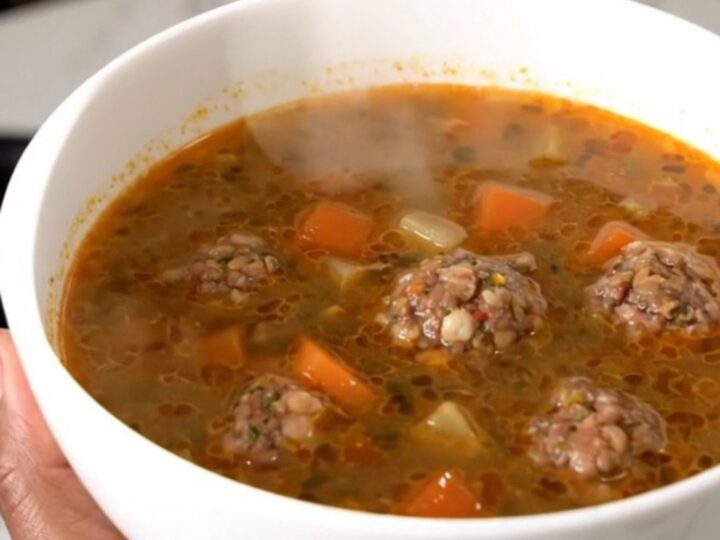
Crockpot Mexican Albondigas Soup for Easy Weeknight Dinners
- Prep
- Cook
- Total
- Serves
- 6
Transform humble pantry staples into a restaurant-quality bowl of comfort with this slow-cooked Mexican Albondigas soup. This recipe streamlines the traditional process, allowing the slow cooker to develop deep, savory flavors while you tackle your busy day, resulting in tender, flavor-packed meatballs and perfectly softened vegetables that satisfy every craving for a hearty, warming meal without the need for constant supervision or complicated kitchen techniques.
Mexican Albondigas soup is a beloved classic known for its comforting broth and savory meatballs. By utilizing the slow cooker, this version simplifies the preparation while maintaining the traditional depth of flavor.
This approach is ideal for those who appreciate a hands-off cooking method that yields consistent, delicious results every time. Whether serving a family dinner or preparing meals for the week ahead, this recipe offers a reliable way to enjoy a nourishing, flavorful soup with minimal effort and cleanup.
Ingredients
Soup Base
- 1 lb ground beef meatballs
- 2 cups sliced carrots
- 2 cups sliced zucchini
- 1 packet taco seasoning
- 6 cups beef broth
Why this recipe works
The slow cooking process allows the taco seasoning and beef broth to penetrate the meatballs thoroughly, ensuring each bite is infused with savory flavor. Slow cooking breaks down the fibers in the vegetables and meat gently, creating a harmonious blend of textures that traditional stove-top boiling might miss.
By maintaining a constant, low temperature, the broth remains clear and rich, concentrating the flavors without causing the ingredients to fall apart during the extended cooking time.
This method is particularly effective because it minimizes the risk of overcooking the delicate zucchini while ensuring the carrots and meatballs are perfectly tender. The indirect heat of the slow cooker provides a gentle environment that allows the aromatics from the seasoning to bloom fully throughout the liquid.
This results in a cohesive, well-balanced soup that tastes as though it has been simmering for hours, even though the actual hands-on time is incredibly short and efficient.
Notes and substitutions
For the best texture, choose high-quality ground beef meatballs, either homemade or store-bought. If using store-bought, ensure they are free of excessive fillers for a more authentic taste. The taco seasoning provides the primary flavor profile, so select a blend that contains chili powder, cumin, and garlic powder for the best results. You can easily adjust the spice level by choosing a mild or spicy seasoning packet depending on your personal preference for heat in the final broth.
When selecting vegetables, opt for firm carrots and fresh zucchini. If the zucchini is particularly large, slice it into slightly thicker rounds to prevent it from becoming too soft during the cooking process.
A standard oval 6-quart slow cooker works perfectly for this quantity, allowing enough space for the broth to circulate around the meatballs. Always ensure the internal temperature of the meatballs reaches 160°F (71°C) to guarantee they are cooked through before serving, using a reliable digital meat thermometer.
- ground beef meatballs: turkey meatballs or plant-based meatball alternatives
- beef broth: vegetable broth for a lighter flavor profile
Equipment
- slow cooker
- measuring cups
- cutting board
- chef knife
Up next · Part 2 of 3
3 steps · 4 h of cooking · what to look for at each stage
Step-by-step instructions (Part 2)