Dinner · Part 1 of 3: Ingredients
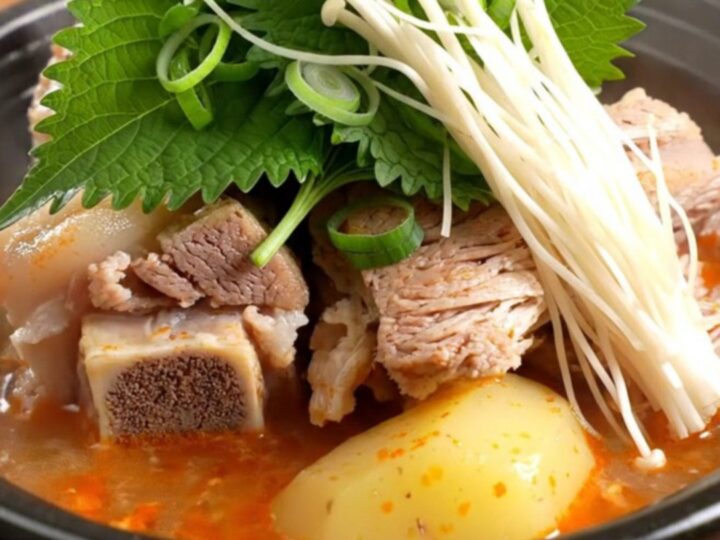
Crockpot Korean Spicy Pork Bone Soup Gamjatang
- Prep
- Cook
- Total
- Serves
- 6
Discover the art of slow-cooked Korean comfort food with this simple, authentic Gamjatang recipe. By utilizing the slow cooker, you can achieve the deep, complex flavors and melt-in-your-mouth tenderness of traditional pork bone soup without the constant stovetop monitoring. This dish turns simple, affordable ingredients into a rich, spicy masterpiece that is perfect for any occasion.
Gamjatang is a beloved Korean classic, traditionally made by simmering pork neck bones and potatoes for hours until the broth becomes rich, savory, and deeply satisfying. This adaptation brings that complex flavor profile into your home kitchen using a slow cooker.
The combination of spicy gochugaru and earthy doenjang soybean paste creates a broth that is both bold and comforting. Whether you are looking to master a new culinary skill or simply want a hearty dinner that feeds a crowd, this recipe provides a straightforward path to an authentic experience.
Ingredients
Main Ingredients
- 4 lb pork neck bones, blanched
- 4 Yukon gold potatoes, halved
Seasoning
- 3 tbsp gochugaru (Korean red chili flakes)
- 2 tbsp doenjang soybean paste
Aromatics
- 8 cloves garlic, minced
- 1 tbsp ginger, grated
Liquid
- 6 cups broth
Garnish
- 10 leaves perilla leaves, for serving
- 1 pack enoki mushrooms, for serving
- 3 stalks green onions, for serving
Why this recipe works
The slow cooking process is the secret to this recipe's success. By simmering the pork neck bones on low heat for eight hours, the collagen in the meat and bones slowly breaks down into gelatin.
This process creates a velvety, luxurious broth that coats the palate. Meanwhile, the potatoes absorb the spicy and savory essence of the chili and soybean paste, becoming perfectly tender without falling apart.
Additionally, the slow cooker maintains a consistent, gentle temperature that prevents the broth from becoming cloudy or the meat from toughening. This method ensures that the flavors of the garlic, ginger, and soybean paste meld together deeply over time. The result is a consistent, high-quality soup that tastes as if it has been tended to all day, even when you have been busy with other tasks.
Notes and substitutions
When selecting pork neck bones, look for pieces with a good balance of meat and bone. The meat on the neck is exceptionally tender once cooked, which is what gives this soup its signature texture.
If you cannot find neck bones, pork spine or even meaty spare ribs can be used, although the flavor and fat content will vary slightly. Always ensure the bones are fresh to maintain the best quality for your soup base.
The choice of gochugaru and doenjang is critical for the authentic flavor profile of this dish. Gochugaru provides a vibrant red color and a mild, smoky heat, while doenjang adds an earthy, fermented depth.
These ingredients are standard in Korean grocery stores. If you are new to these flavors, start with the recommended amounts and adjust to your personal preference for heat and saltiness as the soup nears the end of its cooking time.
- pork neck bones: pork spine or pork spare ribs can be used if neck bones are unavailable.
- doenjang soybean paste: miso paste can be used as a substitute, though the flavor profile will be slightly different.
Equipment
- Slow cooker (Crockpot)
- Large stockpot (for blanching)
- Chef's knife
- Ladle
Up next · Part 2 of 3
3 steps · 8 h of cooking · what to look for at each stage
Step-by-step instructions (Part 2)