Dinner · Part 2 of 3: Instructions
Crockpot Italian Sausage and Pepper Baked Ziti Step-by-step instructions
- Prep
- Cook
- Total
- Serves
- 6
Before you start
Before starting, ensure all ingredients are measured and ready for assembly. Remove the casings from the Italian sausage to make crumbling easier.
Chop the green bell peppers into uniform, bite-sized pieces to ensure they cook at the same rate as the pasta.
Have your slow cooker placed on a stable surface with the power cord reachable. If you prefer a more intense flavor, brown the sausage in a skillet beforehand, though it is not strictly necessary for this recipe.
Ingredients at a glance (6)
- 1 lb Italian sausage, casings removed
- 2 medium green bell peppers, chopped
- 1 packet Italian seasoning blend
- 32 oz marinara sauce
- 1 lb ziti pasta, uncooked
- 1 cup shredded provolone cheese
Instructions
Layering the ingredients
- Assemble the basePlace the raw Italian sausage at the bottom of the slow cooker insert. Break the sausage into small crumbles using a spoon or spatula to ensure even cooking throughout the dish.Look for Sausage is evenly distributed at the bottom.Tip Removing the casings makes it easier to crumble the meat.
- Add aromatics and seasoningScatter the chopped green bell peppers over the layer of raw sausage. Evenly sprinkle the Italian seasoning packet over the peppers and meat to ensure maximum flavor coverage.Look for Peppers are spread across the sausage layer.Tip Use fresh peppers for the best texture and color.
The sausage is evenly crumbled at the bottom, topped with a colorful scattering of bell peppers and seasoning. The slow cooker is ready for the liquids and pasta to be added.
Slow cooking the ziti
- Incorporate pasta and sauceAdd the dry ziti pasta into the slow cooker. Pour the marinara sauce over the mixture, ensuring the pasta is well-coated. Add enough water or broth if needed to ensure the pasta is submerged.Look for Pasta is fully coated in sauce.Tip Ensure the pasta is covered in liquid to prevent crunchy bits.
- Slow cook the dishCover the slow cooker and cook on high for 3 to 4 hours or on low for 6 to 7 hours until the sausage reaches 160°F (71°C) and the pasta is tender.Look for Sausage is cooked through and pasta is al dente.Safe temperature 160°F (71°C) internal temperature (ground meat)Tip Check the internal temperature of the meat with a thermometer.
The pasta is submerged in the marinara sauce, and the slow cooker is sealed. The kitchen will begin to smell like savory herbs and cooked sausage as the flavors develop.
Melting the cheese
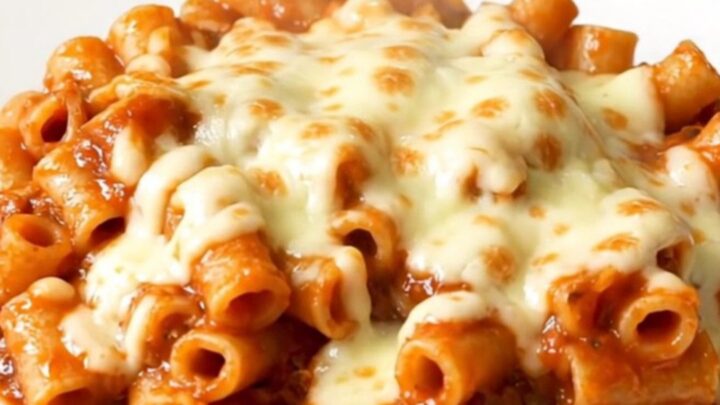
- Melt the cheeseOnce the pasta is cooked, sprinkle the shredded provolone cheese over the top of the ziti. Replace the lid and let it sit for 5 minutes until the cheese is melted and bubbly.Look for Cheese is fully melted and glossy.Tip Avoid lifting the lid too often to keep the heat inside.
The ziti is tender and the sauce has thickened. The provolone is perfectly melted over the top, creating a glossy, inviting appearance that is ready to be served immediately to the hungry table.
Common mistakes
A common mistake is adding too much liquid, which can result in overly soft or mushy pasta. Always start with the recommended amount of sauce and only add extra liquid if the pasta appears completely dry.
Another error is overcrowding the slow cooker, which prevents even cooking. Ensure the ingredients are spread in an even layer to allow the heat to circulate properly throughout the cooking time.
How to tell it’s done
The dish is done when the internal temperature of the sausage reaches 160°F (71°C) as verified by a food thermometer. The pasta should be tender to the bite, and the marinara sauce should be thickened and clinging to the noodles.
The provolone cheese on top should be completely melted and slightly browned in spots. If the pasta is still firm, continue cooking for another 20 minutes before checking again.
- Ground meat: 160°F (71°C) in the thickest part
Up next · Part 3 of 3
2 variations · storage & make-ahead · 3 answers · printable card
Tips, FAQ & printable recipe (Part 3)← Back to the ingredients (Part 1)