Dinner · Part 2 of 3: Instructions
Crockpot Hungarian Meatball Goulash for an Easy Dinner Step-by-step instructions
- Prep
- Cook
- Total
- Serves
- 4
Before you start
Before beginning, ensure all ingredients are measured and ready. Peel and cube the potatoes into uniform one-inch pieces to ensure even cooking. Slice the red bell peppers into strips, removing any seeds and white membranes.
If your slow cooker has a removable insert, ensure it is clean and dry. Have a small ramekin ready for the paprika and a separate mixing bowl for combining the tomato sauce and beef broth. Clearing your workspace will make the assembly process efficient and straightforward.
Ingredients at a glance (6)
- 1 lb precooked beef meatballs
- 2 cups potato cubes
- 1 cup red bell pepper strips
- 2 tbsp sweet paprika
- 1 1/2 cups tomato sauce
- 1/2 cup beef broth
Instructions
Assembly Phase
- Assemble the basePlace the precooked beef meatballs into the bottom of the slow cooker, ensuring they are spread out in an even layer. Tuck the potato cubes and red bell pepper strips in between the meatballs to create a uniform mixture.Look for The meatballs should form a solid layer at the bottom with vegetables evenly distributed.Tip Distributing the vegetables evenly helps them cook consistently alongside the meatballs.
The ingredients are layered carefully in the slow cooker. The meatballs should be sitting at the bottom with the potatoes and peppers arranged snugly around them. The raw components are ready for the liquid seasoning.
Seasoning Phase
- Season and add liquidSprinkle the sweet paprika evenly over the meatballs and vegetables. In a separate bowl, whisk together the tomato sauce and beef broth, then pour the mixture over the contents of the slow cooker to ensure everything is lightly coated.Look for The sauce should settle around the ingredients without completely submerging them.Tip Using a whisk ensures the tomato sauce and broth are perfectly incorporated before pouring.
The paprika is distributed evenly, and the tomato-broth mixture is poured over the top. The slow cooker is covered, and the environment is now set for the slow, steady braising process to begin.
Cooking Phase
- Slow cook until finishedCover the slow cooker and cook on low for 4 hours. Ensure the meatballs reach a minimum internal temperature of 160°F (71°C) before serving. Let the dish rest for 5 minutes after cooking to allow the flavors to meld and the sauce to thicken slightly.Look for The potatoes should be fork-tender and the sauce thickened and aromatic.Safe temperature 160°F (71°C) internal temperature (ground meat)Tip Allowing the dish to rest ensures the sauce clings better to the ingredients.
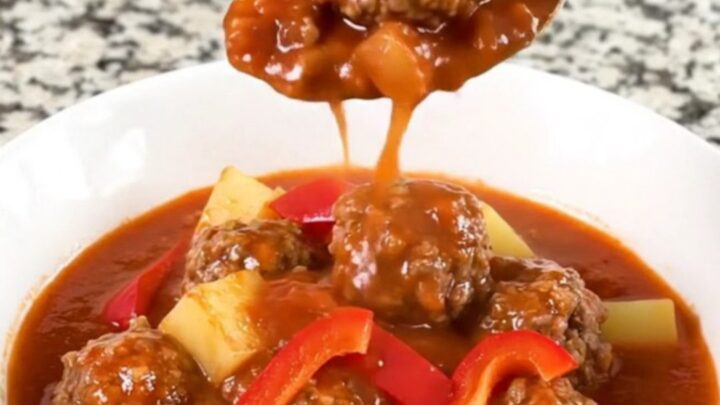
The goulash has reached the end of the cooking time. The sauce is thickened, the potatoes are tender, and the meatballs are heated through. The dish is ready to be served immediately after a short rest.
Common mistakes
A common mistake is cutting the potatoes into uneven sizes, which leads to some pieces being overcooked and mushy while others remain hard in the center. Avoid using a tomato sauce with added sugar or heavy herbs, as these can overpower the delicate flavor of the paprika.
Also, avoid lifting the lid frequently during the cooking process, as this releases the heat and steam necessary for the slow cooker to function correctly, which will increase the required cooking time significantly.
How to tell it’s done
The goulash is done when the potato cubes are tender enough to be pierced easily with a fork. The sauce should be thickened and fragrant, coating the meatballs and vegetables evenly.
Using a food thermometer, check the internal temperature of the meatballs to ensure they have reached at least 160°F (71°C).
The peppers should be soft and translucent, indicating that they have fully released their sweetness into the stew, creating a harmonious blend of textures and flavors.
- Ground meat: 160°F (71°C) in the thickest part
Up next · Part 3 of 3
2 variations · storage & make-ahead · 3 answers · printable card
Tips, FAQ & printable recipe (Part 3)← Back to the ingredients (Part 1)