Dinner · Part 2 of 3: Instructions
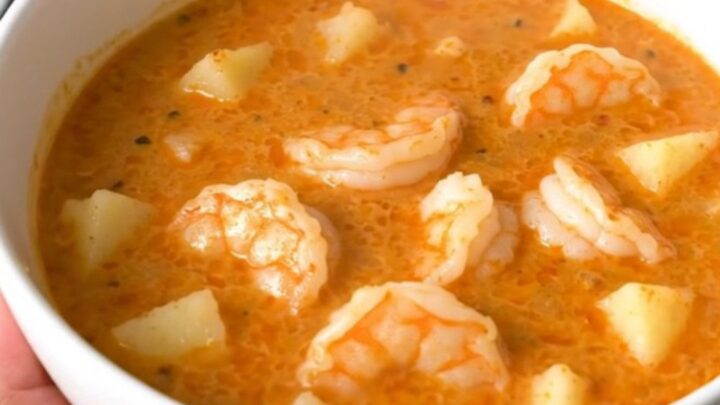
Crockpot Creamy Cajun Shrimp Chowder for an Easy Dinner Step-by-step instructions
- Prep
- Cook
- Total
- Serves
- 4
Before you start
Before beginning, ensure your slow cooker is clean and positioned on a stable, heat-resistant surface. Peel and devein the shrimp if they are not already prepared, and dice the red potatoes into uniform pieces to ensure consistent cooking.
Have your seafood stock measured out and your Cajun seasoning ready to go. Preparing these components in advance makes the assembly process incredibly quick, allowing you to get the meal cooking in just a few minutes before you move on to other tasks.
Ingredients at a glance (4)
- 1 lb raw peeled shrimp
- 1 lb red potatoes, diced
- 2 tbsp Cajun seasoning
- 2 cups seafood stock
Instructions
Preparation and layering
- Combine ingredients in the slow cookerPlace the raw peeled shrimp into the bottom of the slow cooker basin. Evenly scatter the diced red potatoes over the shrimp layer.Look for Ensure the shrimp are spread in an even layer at the bottom of the cooker.Tip Cut potatoes into uniform half-inch cubes to ensure they cook at the same rate.
At this phase, the ingredients are neatly arranged in the slow cooker. The shrimp are nestled at the bottom, topped with the potatoes. The setup should look orderly, with no ingredients spilling over the sides of the basin. Ensure the power cord is safely positioned away from water sources and heat-sensitive surfaces before you proceed to add the liquids and seasoning.
Seasoning and broth infusion
- Season and add liquidSprinkle the Cajun seasoning over the potatoes and shrimp. Pour the seafood stock over the ingredients, ensuring everything is mostly covered.Look for The liquid should just cover the top of the potatoes.Tip Use a low-sodium stock if you prefer to control the salt content through the seasoning.
The seasoning is now distributed, and the seafood stock has been poured over the base. The smell of the Cajun spice blend should be faintly aromatic.
Check that the liquid level is sufficient to cover the ingredients, creating a moist environment for the slow cooking process. Ensure the lid is seated properly on the slow cooker to create a secure seal before turning the heat on.
Slow cooking and final check
- Slow cook and serveCover and cook on low for 3 hours until the potatoes are fork-tender and the shrimp reach an internal temperature of 145°F (63°C).Look for The shrimp should be opaque and curled, and the potatoes easily pierced with a fork.Safe temperature 145°F (63°C) internal temperature (shellfish)Tip Avoid overcooking the shrimp to keep them tender and juicy.
During the final phase, the kitchen will fill with the savory scent of the simmering Cajun broth. The potatoes will have softened and absorbed the liquid, and the shrimp will be cooked through. Before serving, verify the tenderness of the potatoes with a fork and ensure the shrimp have reached the safe internal temperature for shellfish of 145°F (63°C).
Common mistakes
A common mistake is cutting the potatoes into uneven sizes, which leads to some pieces being mushy while others remain hard. Another error is overcooking the shrimp, which results in a tough, unappealing texture.
Avoid lifting the lid of the slow cooker frequently during the cooking process, as this releases heat and moisture, significantly increasing the required cooking time. Ensure you use the correct amount of stock to prevent the chowder from becoming too watery or too concentrated during the long cook time.
How to tell it’s done
The chowder is ready when the shrimp are firm, opaque, and have reached an internal temperature of 145°F (63°C). The potatoes should be tender and yield easily when pierced with a fork.
Overcooking the shrimp will cause them to become rubbery, so check the dish around the 3-hour mark. If the potatoes are soft but the shrimp are not quite there, give it another 15 minutes, but keep a close eye on the texture of the seafood to ensure the best results.
- Shellfish: 145°F (63°C) in the thickest part
Up next · Part 3 of 3
2 variations · storage & make-ahead · 3 answers · printable card
Tips, FAQ & printable recipe (Part 3)← Back to the ingredients (Part 1)