Appetizers · Part 3 of 3: Tips & recipe card
Crockpot Cranberry Barbecue Cocktail Smokies Tips, FAQ & printable recipe
- Prep
- Cook
- Total
- Serves
- 12
Tips for success
To keep the smokies warm during a party, leave the slow cooker on the 'warm' setting after the initial cooking time is complete.
This prevents the sauce from setting too firmly and keeps the sausages at a safe, appetizing temperature for guests to enjoy throughout the event. If the sauce becomes too thick over time, add a tablespoon of water or broth to loosen it up.
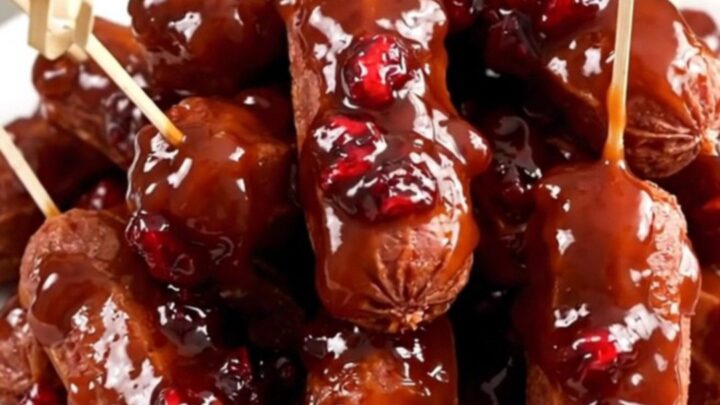
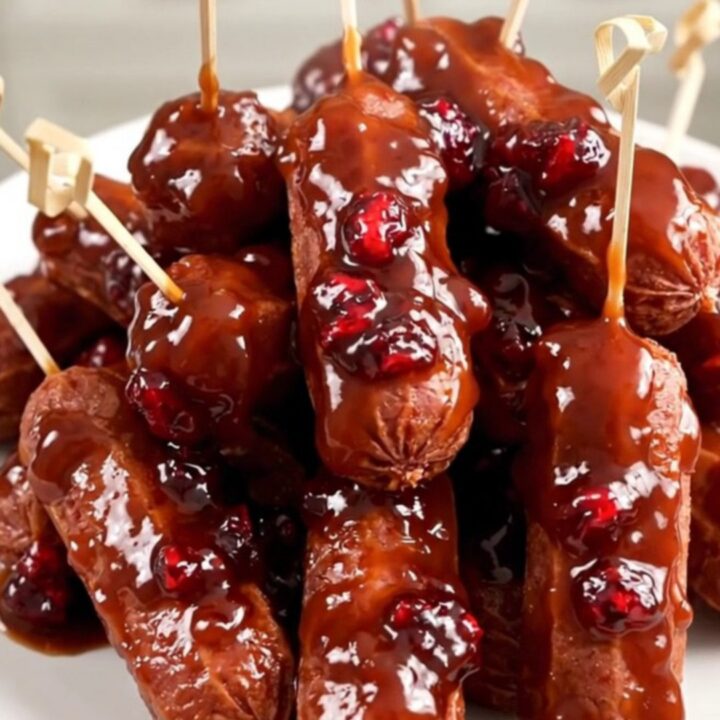
Presentation is key for appetizers. Serving the smokies on a clean, white platter makes the deep red color of the cranberry barbecue glaze pop.
For a professional touch, insert a toothpick into each sausage before placing them on the platter, making it easy for guests to grab a single portion without any mess. Keep extra toothpicks nearby in a decorative glass or bowl for easy access.
Variations
- Spicy Kick: Add a tablespoon of sriracha or a pinch of red pepper flakes to the barbecue sauce mixture before cooking to introduce a balanced heat that cuts through the sweetness of the cranberry sauce.
- Bourbon Infused: Stir in two tablespoons of bourbon to the barbecue sauce for a deeper, more sophisticated flavor profile that complements the smokiness of the cocktail sausages perfectly.
Storage and make-ahead
- Fridge
- Store in an airtight container for up to 3 days.
- Freezer
- Freezing is not recommended as it changes the texture of the sauce and the smokies.
- Reheat
- Reheat in a saucepan over medium heat or in the microwave until reaching 165°F (74°C).
Store any leftovers in an airtight container in the refrigerator for up to 3 days. Ensure the smokies have cooled to room temperature within 2 hours of cooking before placing them in the fridge to maintain food safety standards. When reheating, ensure they are heated until they reach an internal temperature of 165°F (74°C) to ensure quality and safety.
This dish is perfect for making ahead. You can assemble the ingredients in the slow cooker insert, cover it, and keep it in the refrigerator overnight.
When ready to cook, simply place the insert into the slow cooker base and start the cooking cycle. You may need to add an extra 30 minutes to the cooking time to account for the cold temperature of the ingredients coming straight from the fridge.
Serving ideas
Serve these smokies immediately while they are hot and the glaze is at its glossiest. They pair well with other finger foods and appetizers, providing a savory balance to lighter vegetable trays or cheese boards.
Because they are served with toothpicks, they are an excellent choice for standing receptions or parties where formal cutlery is not provided.
For a festive touch during the holidays, consider garnishing the serving platter with a few fresh rosemary sprigs or orange zest. The bright green or orange adds a beautiful contrast to the dark, rich sauce. Always ensure there is a small discard bowl nearby for used toothpicks to keep the serving area clean and organized for your guests.
Frequently asked questions
Can this be made on the stovetop instead of a slow cooker?
What is the best way to keep the smokies warm during a party?
Can other types of sausages be used?
Crockpot Cranberry Barbecue Cocktail Smokies
Ingredients
- 2 lb cocktail smokies
- 1 can (14 oz) jellied cranberry sauce
- 1 tsp garlic powder
- 1 cup barbecue sauce
Instructions
- Place the cocktail smokies into the base of the slow cooker. Add the jellied cranberry sauce on top of the sausages.
- Sprinkle the garlic powder over the cranberry sauce. Pour the barbecue sauce evenly over the entire mixture.
- Cover the slow cooker and cook on low for 3 hours until the internal temperature of the sausages reaches 160°F (71°C). Serve warm with toothpicks.
Estimated nutrition per serving
- Calories
- 280
- Protein
- 9 g
- Carbohydrates
- 22 g
- Fat
- 18 g
- Fiber
- 0.5 g
- Sugar
- 18 g
- Sodium
- 750 mg
Next recipe

Creamy Slow Cooker Loaded Baked Potato Dip
See the recipe → →This recipe is based on a short cooking video and is published under the pen name Clara Weller. It was checked before publication, but errors can slip through. Nutrition, when shown, is an estimate. Read more in our editorial policy and on our food safety page.
More recipes to try
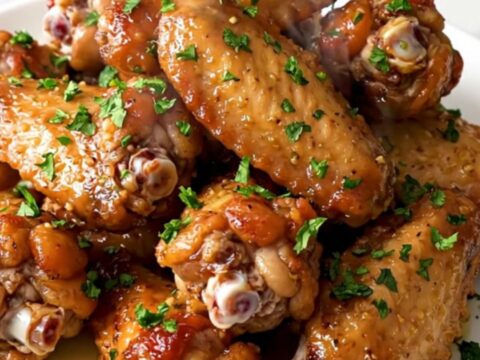
Crockpot Garlic Butter Herb Chicken Wings
Total time: 4 h 10 min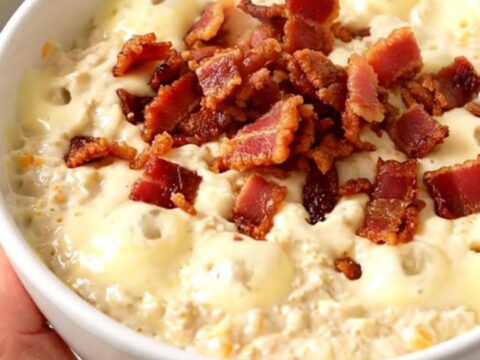
Creamy Crockpot Jalapeno Popper Dip for Easy Entertaining
Total time: 2 h 10 min
Creamy Crockpot Hot Crab Dip for Easy Entertaining
Total time: 2 h 10 min
Slow Cooker Caramelized Onion Dip
Total time: 4 h 10 min
Creamy Pepper Jack Corn Dip for Easy Entertaining
Total time: 2 h 5 min