Dinner · Part 1 of 3: Ingredients
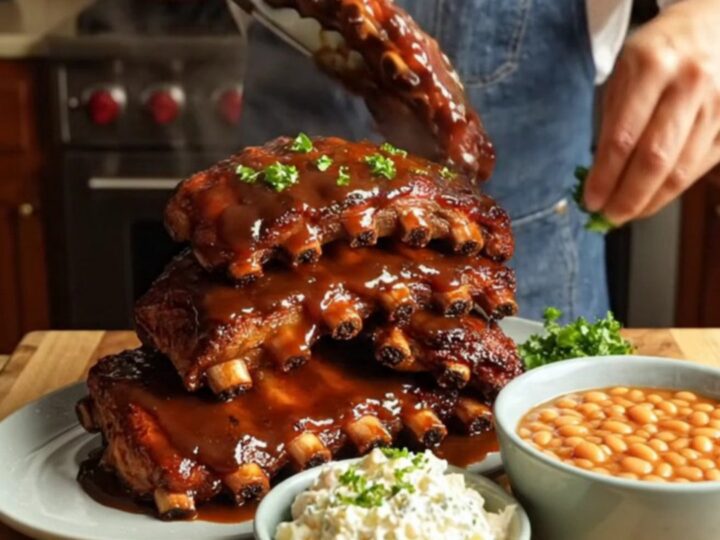
Crockpot Coca-Cola Baby Back Ribs
- Prep
- Cook
- Total
- Serves
- 6
This slow cooker recipe turns a humble can of Coca-Cola into the secret to the most tender, fall-off-the-bone baby back ribs you've ever made. With just a few minutes of prep, the crockpot does all the work, simmering the ribs in a sweet and smoky hickory barbecue sauce until they're spoon-tender.
A quick broil at the end gives the ribs a caramelized, sticky glaze that's pure backyard barbecue magic. Perfect for weeknight dinners or feeding a crowd.
Baby back ribs are a favorite for good reason: they're meaty, tender, and full of flavor. But getting them right on the grill can be tricky. This recipe takes a simpler approach, using a slow cooker to gently cook the ribs until the meat practically falls off the bone.
The addition of Coca-Cola adds a subtle sweetness and helps tenderize the meat, while the hickory BBQ sauce brings that classic smoky flavor. The result is a dish that tastes like it spent hours on a smoker, but with far less effort.
Ingredients
- 2 racks baby back ribs (about 2 lb each)
- 3 tbsp smoky BBQ dry rub
- 1 cup Coca-Cola
- 1 1/2 cups sweet hickory BBQ sauce
Why this recipe works
The slow cooker provides a steady, low heat that breaks down the connective tissue in the ribs, turning them from tough to tender. Cooking on LOW for 6 hours allows the collagen to melt into gelatin, giving the meat a melt-in-your-mouth texture.
The ribs are also cooked in a sealed environment, trapping steam and keeping the meat moist. This is the same principle behind braising, but with the convenience of a countertop appliance.
Coca-Cola does double duty in this recipe. The carbonation helps break down the meat fibers, while the sugar in the soda caramelizes during the broiling step, creating a sticky, glossy glaze.
The acidity of the cola also balances the sweetness of the BBQ sauce, preventing the dish from tasting cloying. The result is a complex flavor profile that's both sweet and tangy, with a hint of smokiness from the hickory sauce.
Notes and substitutions
For the best results, choose baby back ribs that are meaty and have a good amount of fat. Remove the thin membrane on the back of the rack—this allows the rub and sauce to penetrate the meat and makes the ribs easier to eat. If you're short on time, you can skip the membrane removal, but the ribs will be slightly less tender.
You can use any brand of cola, but regular Coca-Cola is recommended for its classic flavor. A smoky BBQ dry rub adds depth, but you can use a simple salt-and-pepper blend if you prefer. The sweet hickory BBQ sauce is the star; look for one that's thick and sweet, with a smoky note. If you don't have a slow cooker, you can braise the ribs in the oven at 300°F (150°C) for 3 hours, then broil as directed.
- Coca-Cola: Any cola soda (regular or diet) works; for a less sweet result, use a cola with no high-fructose corn syrup.
- smoky BBQ dry rub: Use your favorite store-bought rub or make a quick mix of brown sugar, paprika, garlic powder, onion powder, salt, and pepper.
- sweet hickory BBQ sauce: Any sweet and smoky BBQ sauce works; for a spicier kick, choose a chipotle or bourbon variety.
- baby back ribs: St. Louis-style ribs can be used, but increase cooking time to 7 hours on low.
Equipment
- 6-quart slow cooker
- Tongs
- Basting brush
- Aluminum foil
- Broiler pan or baking sheet
- Chef's knife
- Cutting board
Up next · Part 2 of 3
4 steps · 6 h 3 min of cooking · what to look for at each stage
Step-by-step instructions (Part 2)