Dinner · Part 2 of 3: Instructions
Crockpot Cajun Butter Pork Roast for Easy Weeknight Dinners Step-by-step instructions
- Prep
- Cook
- Total
- Serves
- 6
Before you start
Before starting, ensure your slow cooker is clean and positioned on a stable, heat-resistant surface near an electrical outlet. Prepare your vegetables by slicing the green bell peppers and yellow onion into uniform strips, which ensures they cook evenly alongside the pork.
Measure out your Cajun seasoning and melt the butter in advance so you can quickly assemble the dish. Having all ingredients prepped and ready to go will make the assembly process seamless and efficient, allowing you to get the slow cooker running in just a few minutes.
Ingredients at a glance (5)
- 3 lb pork shoulder, trimmed of excess fat
- 2 medium green bell peppers, sliced
- 1 large yellow onion, sliced
- 2 tbsp Cajun seasoning
- 1/2 cup unsalted butter, melted
Instructions
Assembly Phase
- Prepare the slow cooker basePlace the pork shoulder into the base of the slow cooker. Scatter the sliced green bell peppers and onions evenly around and over the meat to ensure they cook down into a flavorful bed.Look for The pork shoulder should sit flat at the bottom of the slow cooker, with vegetables distributed around the sides and top.Tip Removing excess fat from the pork shoulder before placing it in the cooker helps achieve a cleaner, less greasy finished sauce.
At the end of this phase, the pork shoulder should be securely nestled in the slow cooker with the vegetables evenly distributed around it. Ensure the base is tidy, and all ingredients are ready for the seasoning step. The kitchen should look organized, and the slow cooker should be plugged in and ready to be set to the low setting, ensuring a steady, gentle cooking environment for the hours ahead.
Seasoning Phase
- Season and butterSprinkle the Cajun seasoning generously over the pork and the vegetables. Pour the melted butter evenly over the top of the entire mixture to coat the ingredients thoroughly.Look for The seasoning should be visible on the surface of the meat and vegetables, and the butter should pool slightly at the bottom.Tip Ensure the butter is fully melted so it distributes evenly across the pork rather than clumping in one spot.
Once you have added the Cajun seasoning and poured the melted butter, the surface should look vibrant and aromatic. The butter should have coated the meat and vegetables, creating a rich base. Double-check that the seasoning is evenly applied across all surfaces. At this point, the slow cooker is ready to be covered, and you can proceed to start the long cooking process, knowing everything is properly prepared.
Cooking and Finishing Phase
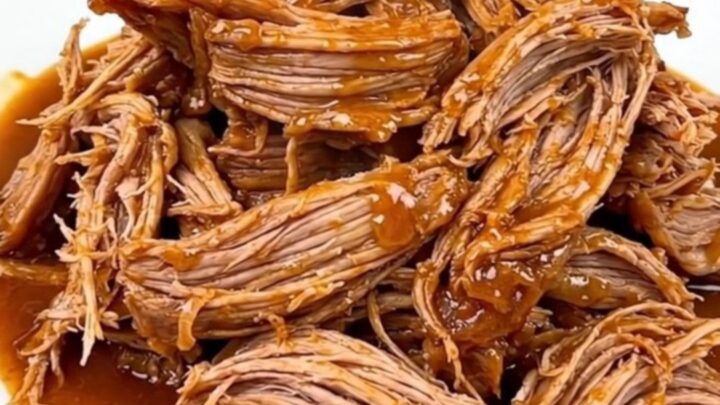
- Slow cook and serveCover and cook on low for 8 hours until the meat is fork-tender. Once finished, ensure the internal temperature reaches 145°F (63°C). Let the pork rest for at least 3 minutes before shredding and serving.Look for The pork should pull apart easily with two forks, and the vegetables should be soft and translucent.Safe temperature 145°F (63°C) internal temperature (steaks, chops and roasts)Tip If the sauce seems too thin, you can remove the pork and reduce the liquid in a saucepan on the stovetop for a thicker consistency.
By the end of this phase, the kitchen should be filled with the savory, spiced aroma of the slow-cooked pork. The meat should be soft and easily shreddable with a fork, and the braising liquid should have thickened slightly.
After confirming the safe internal temperature and allowing for the required resting period, the dish is ready to be shredded and plated for serving, showcasing a perfectly tender and flavorful result.
Common mistakes
A common mistake is overcrowding the slow cooker, which can lead to uneven cooking and excess liquid. Ensure your pork shoulder fits with enough room for the vegetables to surround it. Another error is failing to trim the pork properly; while some fat is good for flavor, too much can make the final dish overly greasy.
Avoid lifting the lid frequently during the cooking process, as this releases heat and steam, which can significantly increase the total cooking time and affect the final texture of the roast.
How to tell it’s done
To determine if the pork is done, use a meat thermometer to check the thickest part of the roast; it must reach an internal temperature of at least 145°F (63°C). Beyond the temperature, the texture is the ultimate indicator of success.
The pork should be exceptionally tender, easily yielding to the pressure of a fork. If the meat offers resistance when pulled, continue cooking for another 30 minutes. Always allow the roast to rest for at least 3 minutes after reaching temperature to ensure the juices redistribute properly.
- Steaks, chops and roasts: 145°F (63°C) in the thickest part, then a 3-minute rest
Up next · Part 3 of 3
2 variations · storage & make-ahead · 3 answers · printable card
Tips, FAQ & printable recipe (Part 3)← Back to the ingredients (Part 1)