Dinner · Part 3 of 3: Tips & recipe card
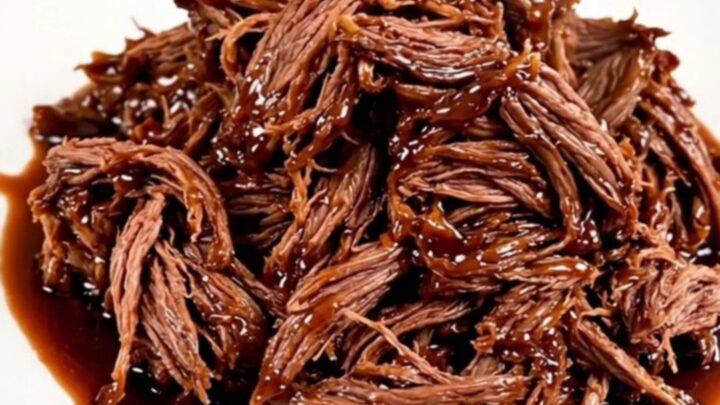
Easy Crockpot Black Cherry Shredded Beef Tips, FAQ & printable recipe
- Prep
- Cook
- Total
- Serves
- 6
Tips for success
For a thicker sauce, remove the shredded beef from the slow cooker once finished and simmer the remaining liquid on the stovetop over medium-high heat until it reduces to a glaze consistency.
Then, toss the beef back into the reduced liquid before serving to ensure a bold, concentrated flavor in every bite.
If the roast is particularly large, you can cut it into three or four large chunks before placing it in the slow cooker.
This does not change the flavor, but it can help the meat cook slightly faster and makes the shredding process significantly easier once the cooking time is complete.
Variations
- Spicy Cherry Beef: Add a tablespoon of crushed red pepper flakes or a dash of cayenne pepper to the seasoning packet before cooking to introduce a subtle heat that cuts through the sweetness of the cherries.
- Herb-Infused Beef: Include a teaspoon of dried thyme or rosemary during the seasoning step to add an earthy, aromatic layer that pairs beautifully with the richness of the beef and the sweetness of the fruit.
Storage and make-ahead
- Fridge
- Keep in an airtight container for up to 3 days.
- Freezer
- Freeze in a freezer-safe bag or container for up to 2 months. Thaw overnight in the refrigerator before reheating.
- Reheat
- Reheat in a saucepan over medium heat until steaming, or microwave in 1-minute intervals until thoroughly heated.
Store any leftover shredded beef in an airtight container to maintain moisture. Ensure the meat is cooled down to room temperature within two hours of cooking before placing it into the refrigerator.
Properly stored leftovers will maintain their quality and flavor for up to three days in the refrigerator.
This dish is an excellent candidate for making ahead, as the flavors often deepen after sitting in the refrigerator overnight. You can cook the beef completely, shred it, and store it in its cooking liquid.
When ready to serve, simply reheat it gently on the stovetop or in the microwave, adding a splash of water if the sauce has become too thick.
Serving ideas
Serve this shredded beef piled high on soft brioche buns for a delicious take on a pulled beef sandwich. The sweetness of the bun complements the cherry glaze perfectly, making it a crowd-pleasing option for casual dinners or gatherings with friends and family members.
For a more substantial meal, serve the shredded beef over a bed of creamy mashed potatoes or steamed white rice. The juices from the meat will act as a flavorful sauce for the starch, creating a comforting and satisfying dish that brings out the best in the cherry-infused beef profile.
Frequently asked questions
Can this recipe be prepared in a pressure cooker?
What is the best way to handle the fat during shredding?
Why does the sauce seem too thin at the end?
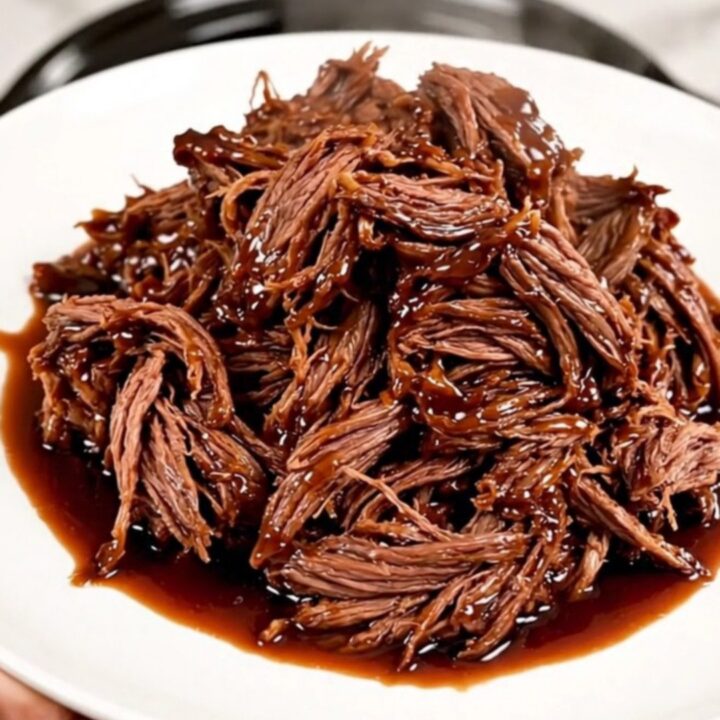
Easy Crockpot Black Cherry Shredded Beef
Ingredients
- 3 lb beef chuck roast
- 1 cup black cherry preserves
- 1 packet beef stew seasoning
- 1 cup black cherry soda
Instructions
- Place the raw beef chuck roast into the bottom of the slow cooker basin. Ensure the meat is positioned flat to promote even cooking throughout the process.
- Spoon the black cherry preserves directly onto the top of the beef. Sprinkle the contents of the beef stew seasoning packet evenly over the preserves and the meat surface. Pour the black cherry soda carefully over the entire mixture, ensuring it flows around the sides of the roast.
- Cover the slow cooker and cook on low for 8 hours or until the beef is fork-tender. Once cooked, remove the beef and shred it using two forks. Verify the internal temperature reaches at least 145°F (63°C) and allow the meat to rest for 10 minutes before serving.
Estimated nutrition per serving
- Calories
- 420
- Protein
- 35 g
- Carbohydrates
- 28 g
- Fat
- 18 g
- Fiber
- 0.5 g
- Sugar
- 22 g
- Sodium
- 750 mg
Next recipe

Creamy Slow Cooker Bacon Muenster Chicken
See the recipe → →This recipe is based on a short cooking video and is published under the pen name Clara Weller. It was checked before publication, but errors can slip through. Nutrition, when shown, is an estimate. Read more in our editorial policy and on our food safety page.
More recipes to try

Creamy Tuscan Kielbasa and Rice Slow Cooker Dinner
Total time: 4 h 15 min
Creamy Slow Cooker Cheesy Chicken Corn Chowder
Total time: 4 h 10 min
Slow Cooker Jalapeno Popper Pulled Pork Sliders
Total time: 8 h 20 min
Slow Cooker Poblano Beef and Corn Chili
Total time: 6 h 15 min
Easy Slow Cooker Pepperoni Pizza Lasagna
Total time: 4 h 20 min