Dinner · Part 2 of 3: Instructions
Crockpot Apricot Ginger and Soy Glazed Pork Tenderloin Step-by-step instructions
- Prep
- Cook
- Total
- Serves
- 6
Before you start
Before beginning, ensure the slow cooker is clean and positioned on a stable, heat-resistant surface away from any splashes. Have all five main ingredients measured and ready, including the freshly grated ginger and minced garlic.
If serving with coconut rice, prepare the rice separately according to the package instructions so that it is hot and ready when the pork is finished. Remove the pork from the refrigerator about 20 minutes before cooking to help it reach a consistent temperature, which promotes more even cooking throughout the slow cooker process.
Ingredients at a glance (9)
- 2 lbs boneless pork tenderloins
- 1 cup apricot preserves
- 1/3 cup soy sauce
- 2 tbsp rice vinegar
- 2 tbsp freshly grated ginger
- 4 cloves minced garlic
- Coconut jasmine rice, for serving
- Sliced scallions, for serving
- Sesame seeds, for serving
Instructions
Preparation and Layering
- Prepare the Glaze and LayerPlace the two pork tenderloins into the ceramic bowl of the slow cooker. In a separate bowl, whisk together the apricot preserves, soy sauce, rice vinegar, grated ginger, and minced garlic. Pour this mixture evenly over the pork tenderloins, ensuring they are well coated.Look for The pork should be fully submerged or coated in the liquid mixture.Tip Ensure the ginger is finely grated to distribute its flavor evenly throughout the sauce during the cooking process.
At this stage, the pork should be neatly arranged at the bottom of the slow cooker, and the combined glaze should be poured over it. The aroma of fresh ginger and garlic should be noticeable. Ensure there is enough liquid to coat the pork completely, creating a base for the reduction. Check that the lid is securely in place to begin the slow, gentle cooking process, which will effectively tenderize the meat while infusing it with the sweet and savory flavors.
Slow Cooking
- Slow Cook the PorkCover the slow cooker with its lid and set to cook on low heat for 3.5 hours. Halfway through the cooking process, open the lid and baste the pork medallions with the accumulating sauce to ensure the meat stays moist and absorbs the flavors deeply. Continue cooking until the pork reaches an internal temperature of 145°F (63°C). Once reached, remove the pork and let it rest for at least 3 minutes before slicing.Look for The sauce will thicken into a glossy, dark reduction as the pork cooks.Safe temperature 145°F (63°C) internal temperature (steaks, chops and roasts)Tip Avoid opening the lid too frequently, as this releases heat and moisture needed for slow cooking.
During the cooking phase, the pork will gradually transition from raw to perfectly tender. The kitchen will fill with the rich, sweet scent of the apricot and soy glaze. Periodically, you may notice the sauce bubbling gently, which is a sign that the reduction is thickening. By the end of this phase, the meat should feel firm to the touch but yielding, and the liquid in the pot should have transformed into a syrupy, glossy coating that clings to the tenderloin.
Final Shred and Serving
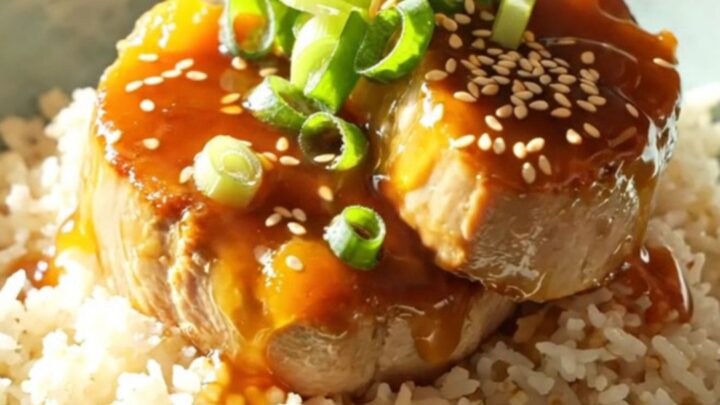
- Final Shred and ServeSlice the tenderloin into medallions. Serve the pork over a bed of warm coconut jasmine rice, drizzling the remaining thickened apricot reduction over the top. Garnish with sliced scallions and sesame seeds before serving.Look for The pork should be tender enough to slice easily without falling apart completely.Tip Letting the meat rest before slicing ensures the juices redistribute, keeping the tenderloin moist.
Once finished, the pork should be removed from the slow cooker and allowed to rest briefly. This resting period is critical for retaining juices. After slicing, the medallions should reveal a light, succulent interior.
The final dish should be plated with the warm coconut rice, topped with the reduced apricot-ginger glaze, and garnished with fresh scallions and sesame seeds. The final result should look vibrant, with the glaze glistening under the light, providing a professional and appetizing presentation.
Common mistakes
A common mistake is overcooking the pork, which can lead to a dry texture despite the liquid. Since tenderloin is very lean, it does not require the same long cooking times as tougher cuts like pork shoulder.
Avoid using high-heat settings, as this can cause the sugar in the apricot preserves to burn or scorch at the edges of the ceramic pot. Another error is failing to baste the meat; regular basting ensures that the top of the tenderloin remains as flavorful and moist as the bottom during the entire duration of the cooking cycle.
How to tell it’s done
The pork tenderloin is perfectly cooked when it reaches an internal temperature of 145°F (63°C). At this stage, the meat should be opaque, juicy, and tender, with the glaze clinging to the exterior in a thick, glossy coat.
If you prefer the meat to be even more tender, you can cook it slightly longer, but be careful not to overcook it, as lean tenderloin can become dry. Always use a meat thermometer inserted into the thickest part of the meat to verify the temperature accurately before slicing.
- Steaks, chops and roasts: 145°F (63°C) in the thickest part, then a 3-minute rest
Up next · Part 3 of 3
2 variations · storage & make-ahead · 3 answers · printable card
Tips, FAQ & printable recipe (Part 3)← Back to the ingredients (Part 1)