Dinner · Part 1 of 3: Ingredients
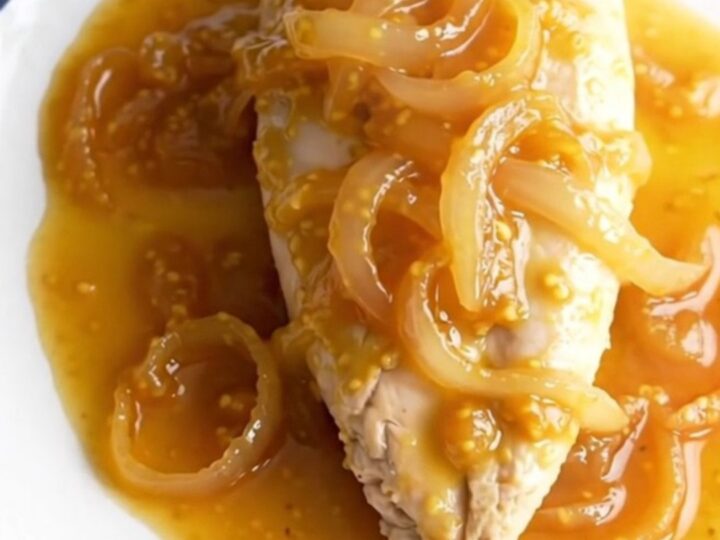
Crockpot Apricot Dijon Chicken Breasts
- Prep
- Cook
- Total
- Serves
- 4
Elevate your weeknight dinner routine with this effortless Crockpot Apricot Dijon Chicken. By combining the natural sweetness of apricot preserves with the sharp, savory kick of Dijon mustard, this dish creates a sophisticated flavor profile that requires almost zero active preparation time. Simply assemble the ingredients in your slow cooker, walk away, and return to a tender, aromatic meal that feels like a gourmet experience without the usual kitchen stress.
The beauty of this slow cooker recipe lies in its simplicity and the balance of flavors. The apricot preserves melt down to form a luscious, caramelized glaze, while the Dijon mustard cuts through the sweetness, providing a tangy complexity that pairs perfectly with the mild flavor of chicken breasts.
This method ensures the meat stays succulent and moist, absorbing the aromatics of the onion and earthy thyme during the low, gentle cooking process, resulting in a comforting dish that is consistently delicious.
Ingredients
- 4 boneless skinless chicken breasts
- 1 cup diced onion
- 1 tsp dried thyme
sauce
- 1/2 cup apricot preserves
- 1/4 cup Dijon mustard
Why this recipe works
The slow cooker method is ideal for chicken breasts because it maintains a consistent, gentle heat that prevents the meat from drying out. As the chicken cooks, the apricot and Dijon mixture slowly bastes the meat, creating a concentrated sauce that caramelizes slightly at the edges. This process allows the onions to soften completely, melting into the sauce to provide a sweet, savory foundation that enhances the overall depth of the dish without needing any additional liquids or heavy fats.
The combination of fruit-based preserves and mustard is a classic culinary pairing that works exceptionally well in slow-cooked dishes. The sugar in the apricots balances the acidity of the mustard, creating a harmonious sauce that coats the chicken beautifully.
Because the slow cooker traps moisture, the flavors become deeply infused into the poultry, ensuring that every bite is packed with taste. This technique is highly forgiving, making it a reliable choice for cooks of any skill level looking to minimize cleanup.
Notes and substitutions
Select high-quality apricot preserves that contain visible pieces of fruit for the best texture in the final glaze. For the Dijon mustard, a standard smooth variety works perfectly, but a grainy version can be used if a more rustic texture is desired.
Ensure the onions are diced to a uniform size so they soften at the same rate as the chicken. If the chicken breasts are particularly thick, consider pounding them to an even thickness to guarantee consistent cooking times throughout the entire batch.
While a standard slow cooker is recommended for this recipe, ensure the size of the crock is appropriate for four chicken breasts. Using a pot that is too large may cause the sauce to spread too thin, while one that is too small might prevent the chicken from cooking evenly.
The use of dried thyme provides a classic herbaceous note, but feel free to adjust the amount based on personal preference. Always ensure the lid is properly sealed to maintain the necessary steam and heat for proper cooking.
- apricot preserves: peach preserves or orange marmalade
- dried thyme: dried rosemary or oregano
Equipment
- slow cooker
- cutting board
- chef knife
- small bowl
- spoon
Up next · Part 2 of 3
3 steps · 4 h of cooking · what to look for at each stage
Step-by-step instructions (Part 2)