Desserts · Part 1 of 3: Ingredients
Crispy Turkish Tulumba Tatlısı in Lemon Syrup
- Prep
- Cook
- Total
- Serves
- 8
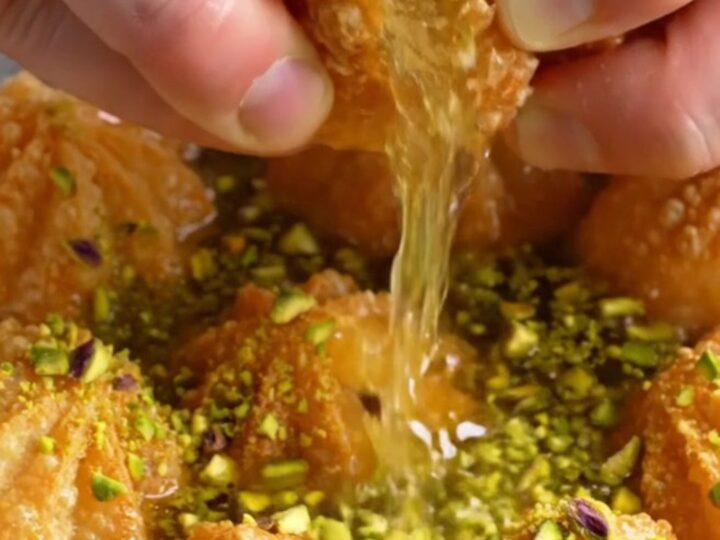
Turkish Tulumba Tatlısı are golden, fluted pastries made from a choux-like dough enriched with semolina and cornstarch. They are fried until shatteringly crisp, then plunged into ice-cold lemon syrup for a burst of sweet-tart juice in every bite.
Finished with crushed pistachios, this street-food favorite is a textural marvel: crunchy outside, tender and syrupy inside. Perfect for parties, holidays, or whenever a truly special dessert is needed.
Tulumba tatlısı is a classic Turkish dessert that shares a family resemblance with churros and funnel cakes, but its unique preparation sets it apart. The dough is piped into cold oil, then fried slowly as the oil heats, resulting in an incredibly crisp shell.
The hot pastries are immediately soaked in cold syrup, creating a dramatic temperature contrast that locks in moisture and crunch.
This recipe follows the traditional method exactly, using semolina and cornstarch for extra texture and stability. The result is a dessert that is both elegant and deeply satisfying, with a bright lemon note that balances the sweetness.
Ingredients
Syrup
- 2 cups water
- 3 cups sugar
- 1 tbsp lemon juice
Dough
- 2 cups water
- 50 g butter
- 1 tbsp sugar
- 2 cups all-purpose flour
- 2 tbsp semolina (irmik)
- 1 tbsp cornstarch
- 3 eggs
Frying
- 1 liter cold oil (for frying)
Topping
- Crushed pistachios, for topping, to taste
Why this recipe works
The method of starting the pastries in cold oil is the key to their distinctive texture. As the oil slowly heats, the dough gently expands and cooks through evenly, developing a thick, crunchy crust without burning.
This gradual frying also allows the interior to set properly, so the pastries hold their shape when soaked in syrup.
The cold syrup is equally important. Plunging the hot, crispy pastries into ice-cold syrup creates a thermal shock that makes the syrup rapidly absorb into the pastry while the exterior stays shatteringly crisp. The lemon juice in the syrup adds a bright, tangy contrast that keeps the dessert from being overly sweet.
Notes and substitutions
Use a high-quality semolina (irmik) for the best texture; it adds a slight graininess that is characteristic of tulumba. Cornstarch helps the dough become extra crisp during frying. The butter should be unsalted to control the salt level.
A star-tipped piping bag is essential for the fluted ridges that give tulumba its signature look. If the dough is too stiff, it will be hard to pipe; if too soft, the pastries may deflate. The dough should be glossy and hold its shape when piped. Use a neutral oil with a high smoke point, such as sunflower or canola.
- semolina: fine cornmeal or extra flour (though texture will change slightly)
- vegetable oil: canola or sunflower oil with a high smoke point
- lemon juice: white vinegar or orange juice for a different citrus note
Equipment
- Large pot for syrup
- Medium saucepan for dough
- Wooden spoon
- Stand mixer or hand mixer
- Star-tipped piping bag
- Kitchen shears
- Deep pot for frying
- Slotted spoon
Up next · Part 2 of 3
7 steps · 30 min of cooking · what to look for at each stage
Step-by-step instructions (Part 2)