Dinner · Part 1 of 3: Ingredients
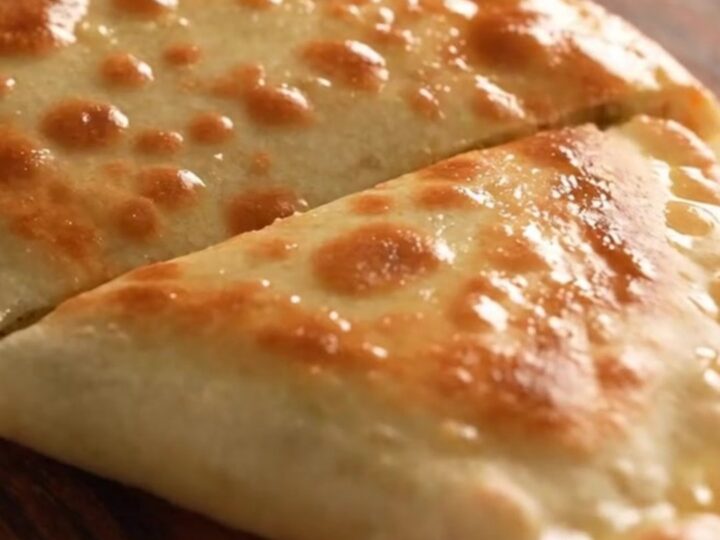
Crispy Turkish Potato and Cheese Gözleme
- Prep
- Cook
- Total
- Serves
- 4
Discover the secret to the perfect Turkish gözleme, a savory flatbread that balances a whisper-thin, butter-crisped exterior with a rich, molten potato and cheese center.
This recipe captures the authentic essence of a rustic Turkish kitchen, providing a comforting meal that is as satisfying to prepare as it is to consume. Whether you are seeking a quick weekend brunch or a hearty snack, these stuffed flatbreads deliver a gourmet experience using simple, pantry-friendly ingredients.
The magic of gözleme lies in the contrast of textures: a shatteringly crisp, butter-toasted crust that protects a soft, flavorful filling. By using high-quality russet potatoes and a stretchy cheese, you create a satisfying harmony of flavors that appeals to everyone at the table.
This guide walks you through the traditional method of rolling the dough paper-thin and griddling it to perfection, ensuring that every bite delivers that iconic crunch. Follow these steps to master a staple of Turkish home cooking that is sure to become a frequent highlight in your kitchen routine.
Ingredients
Filling
- 4 medium russet potatoes, boiled
- 2 tbsp butter, softened
- 1 tsp salt
- 1/2 tsp black pepper
- 1 tsp red pepper flakes
- 2 tbsp fresh parsley, chopped
- 1 cup shredded kaşar cheese
Dough
- 4 balls prepared soft dough
Assembly
- 4 tbsp butter, melted
Why this recipe works
The method of rolling the dough paper-thin is essential for achieving the signature crispy texture that defines a great gözleme. Because the dough is so thin, it cooks rapidly in the hot skillet, allowing the exterior to blister and brown while the filling remains moist and warm.
This rapid cooking technique prevents the dough from becoming heavy or gummy, resulting in a light, flaky flatbread that highlights the savory nature of the potatoes.
Using a dry, hot skillet or sac is the traditional way to ensure consistent heat distribution across the entire surface of the flatbread. This high, dry heat creates the characteristic charred blisters that provide both visual appeal and a deep, toasted flavor profile.
By brushing the butter on only after the dough has begun to crisp, you maintain control over the browning process, ensuring the butter permeates the layers without making the dough soggy before it has a chance to set.
Notes and substitutions
For the best results, use russet potatoes, as their high starch content creates the fluffiest mash. If kaşar cheese is unavailable, you can substitute it with a low-moisture mozzarella or even a mild provolone, both of which provide the necessary melt and stretch. The key is to avoid cheeses that release too much oil, as this can affect the texture of the dough during the griddling process.
A thin, wooden Turkish-style rolling pin is ideal for achieving the necessary paper-thin dough, but any standard rolling pin will work if you work carefully. Ensure your skillet is truly hot before placing the dough in, as a cold pan will result in a tough, chewy crust rather than a crisp one. Always use a high-smoke point fat for the initial griddle, then finish with high-quality butter for the best flavor.
- kaşar cheese: mozzarella or mild provolone cheese
- red pepper flakes: mild paprika or Aleppo pepper
Equipment
- Large mixing bowl
- Potato masher
- Rolling pin
- Large cast iron skillet or sac
- Pastry brush
Up next · Part 2 of 3
3 steps · 20 min of cooking · what to look for at each stage
Step-by-step instructions (Part 2)