Dinner · Part 1 of 3: Ingredients
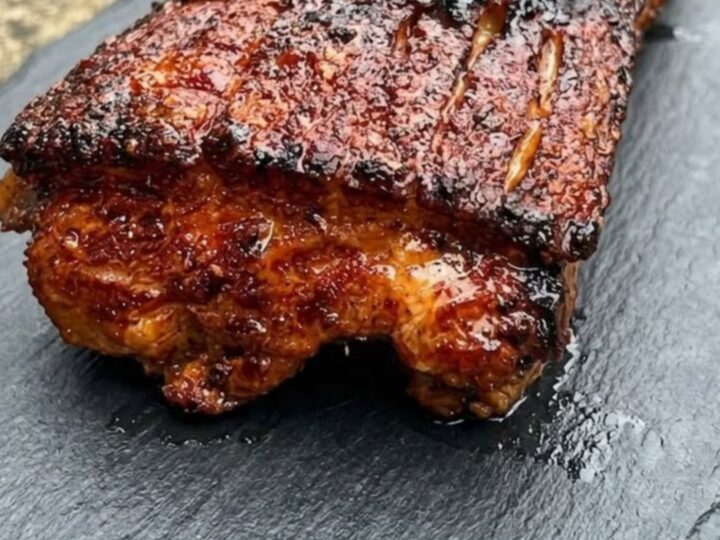
Crispy Smoked BBQ Pork Belly with Caramelized Bark
- Prep
- Cook
- Total
- Serves
- 6
Master the art of the perfect smoked pork belly, featuring a deep, caramelized bark that shatters upon contact and yields to succulent, tender meat. This straightforward approach focuses on temperature control and timing to ensure the fat renders beautifully, resulting in a dish that balances smoky depth with a sweet, sticky finish.
Discover how simple it is to elevate a humble cut of meat into a centerpiece that commands attention at any table, whether for casual gatherings or weekend feasts.
Smoked pork belly is a culinary masterpiece that relies on patience and precision. By slowly smoking the meat, the collagen breaks down while the fat renders into a buttery, luxurious texture. The addition of a honey-BBQ glaze provides a necessary contrast, adding a layer of caramelized sweetness that complements the rich, smoky flavors of the pork.
This recipe is designed for those who appreciate the process of slow cooking and the satisfaction of a perfectly prepared, high-quality protein that delivers incredible depth of flavor in every single bite.
Ingredients
Main
- 3 lb pork belly, skin removed
Glaze
- 1 cup honey-BBQ sauce, store-bought or made ahead
Why this recipe works
The low-and-slow smoking process is essential for transforming the tough connective tissues and thick fat caps of the pork belly. By maintaining a constant, low temperature, the fat renders slowly, basting the meat from the inside out and ensuring it remains incredibly moist and tender.
This technique prevents the exterior from drying out before the interior reaches the desired level of doneness, creating the characteristic melt-in-your-mouth quality that defines a truly exceptional smoked pork belly.
The application of the honey-BBQ glaze during the final stages of the cooking process is a strategic move that creates a complex flavor profile. As the sugars in the glaze interact with the heat of the smoker, they undergo the Maillard reaction, forming a deep, caramelized bark. This crust not only provides a satisfying textural contrast to the tender interior but also traps the smoke within the meat, layering sweet, savory, and smoky notes that are perfectly balanced and deeply satisfying.
Notes and substitutions
Selecting a high-quality pork belly with a good ratio of meat to fat is crucial. Look for a slab that feels firm and has a consistent thickness, which ensures even cooking throughout the smoking process. If the skin is still attached, it must be removed before cooking to allow the smoke and glaze to penetrate the meat effectively. Using a reliable digital thermometer is the most accurate way to monitor the internal temperature and ensure the pork is cooked safely and perfectly every time.
The choice of honey-BBQ sauce significantly influences the final result. A thicker sauce is generally preferred as it adheres better to the surface of the meat and caramelizes more effectively without running off.
While store-bought sauces are convenient and offer consistent results, ensure the ingredients complement the smokiness of the wood used in the smoker. If substituting, opt for a sauce with balanced acidity, as this helps cut through the richness of the rendered pork fat, creating a harmonious and well-rounded flavor.
- honey-BBQ sauce: Any thick, sweet-and-savory barbecue sauce of your preference will work well to achieve the desired caramelization.
Equipment
- Smoker
- Pastry brush
- Sharp chef knife
- Slate serving board
- Meat thermometer
Up next · Part 2 of 3
3 steps · 4 h of cooking · what to look for at each stage
Step-by-step instructions (Part 2)