Dinner · Part 2 of 3: Instructions
Crispy Skin Chicken Piccata with Fried Capers Step-by-step instructions
- Prep
- Cook
- Total
- Serves
- 4
Before you start
Before beginning, ensure the chicken is completely dry by patting it with multiple paper towels; moisture is the enemy of a good sear. Have all your sauce components—the wine, lemon juice, and cold butter—measured and ready next to the stove, as the final steps happen quickly.
Remove the butter from the refrigerator only when ready to swirl to ensure it remains firm, and clear your workspace so you can move smoothly between the searing and the sauce-making phases without interruption.
Ingredients at a glance (6)
- 4 pieces bone-in chicken thighs
- 2 tbsp all-purpose flour
- 1/3 cup non-pareil capers
- 1/2 cup dry Pinot Grigio
- 2 whole Sorrento lemons, juiced
- 4 tbsp cold butter
Instructions
The Perfect Sear
- Crisp the chickenPat the chicken thighs thoroughly dry with paper towels to ensure maximum crispiness. Lightly dust the underside of each thigh with flour. Place the chicken skin-side down in a hot skillet and cook at 375°F for 13 minutes until the skin is deep golden brown and rendered.Look for The chicken skin should look deeply browned and release easily from the pan surface.Tip Ensure the pan is fully preheated before adding the chicken to prevent sticking.
At the end of this phase, the chicken thighs should have a deep, mahogany-brown crust that is crispy to the touch. The pan should have rendered a good amount of golden chicken fat, which will serve as the flavorful base for frying the capers. Ensure the skin is not sticking to the bottom; it should release easily when properly seared.
Building the Foundation
- Fry capers and deglazeRemove the chicken and set aside. Add the capers to the remaining rendered chicken fat in the skillet. Fry them until they pop and turn slightly crisp. Pour in the dry Pinot Grigio and lemon juice, scraping the bottom of the pan to release the flavorful browned bits.Look for The wine should bubble vigorously and reduce slightly, creating a fragrant steam.Tip Watch the capers closely as they can go from golden to burnt in seconds.
The capers should be golden and have popped open, releasing a nutty aroma. When you add the wine and lemon juice, the pan should hiss and release any browned bits from the surface. The mixture should reduce by about half, becoming highly concentrated and fragrant, which indicates the base of your sauce is ready for the final emulsification.
The Velvety Finish
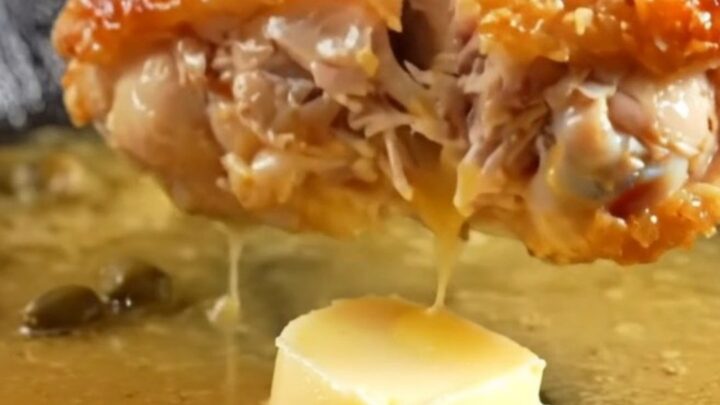
- Finish with butterRemove the skillet from the heat. Add the cold butter and swirl the pan constantly until the sauce becomes smooth, glossy, and velvety. Return the chicken to the pan to coat, ensuring the internal temperature of the poultry reaches 165°F (74°C). Let the chicken rest for 5 minutes before serving.Look for The sauce will transform from a thin liquid into a thickened, emulsified, and glossy golden glaze.Safe temperature 165°F (74°C) internal temperature (poultry)Tip Off-heat swirling is the secret to a stable emulsion that does not break.
The sauce should now be smooth, glossy, and thick enough to coat the chicken beautifully. It should smell buttery and bright with citrus.
If the sauce is broken or oily, keep swirling it off the heat or add a tiny splash of water to help bring the emulsion back together. The chicken should be coated in a light, shimmering layer of the finished piccata sauce.
Common mistakes
A common mistake is overcrowding the pan, which causes the chicken to steam instead of sear; work in batches if necessary to keep the skin crispy. Another error is adding the butter while the pan is still over high heat, which causes the milk solids to separate and the sauce to become greasy rather than velvety.
Always move the pan off the heat before adding the butter to maintain the integrity of the emulsion and achieve that perfect, professional consistency.
How to tell it’s done
The chicken is done when the skin is deeply golden and shatteringly crisp, and the meat is cooked through. Use a meat thermometer to ensure the internal temperature reaches at least 165°F (74°C).
The sauce should be glossy, thickened enough to coat the back of a spoon, and have a rich golden color. If the sauce looks too thin, continue to swirl it off the heat, as the emulsification process is what provides the final body and texture.
- Poultry: 165°F (74°C) in the thickest part
Up next · Part 3 of 3
2 variations · storage & make-ahead · 3 answers · printable card
Tips, FAQ & printable recipe (Part 3)← Back to the ingredients (Part 1)