Dinner · Part 2 of 3: Instructions
Crispy Skin Arctic Char with Garlic Herb Butter Step-by-step instructions
- Prep
- Cook
- Total
- Serves
- 2
Before you start
Before you start, make sure all your ingredients are prepped and within reach. Pat the fish dry thoroughly—this is crucial for crispy skin. Score the skin and season it. Chop the dill, mince the garlic, and grate the cheese. Have the tomatoes and butter ready.
Preheat your cast iron skillet over medium-high heat for at least 2 minutes so it's evenly hot. This mise en place approach ensures the cooking process goes smoothly and you don't have to scramble while the fish is in the pan.
Ingredients at a glance (8)
- 2 fillets Arctic char fillets (about 6 oz each), skin on
- 1/4 cup fresh dill, chopped
- 4 cloves garlic, minced
- 1/2 cup aged Parmigiano-Reggiano, finely grated
- 1 cup vine cherry tomatoes
- 4 tbsp unsalted butter
- kosher salt, to taste
- freshly ground black pepper, to taste
Instructions
Prep and Sear
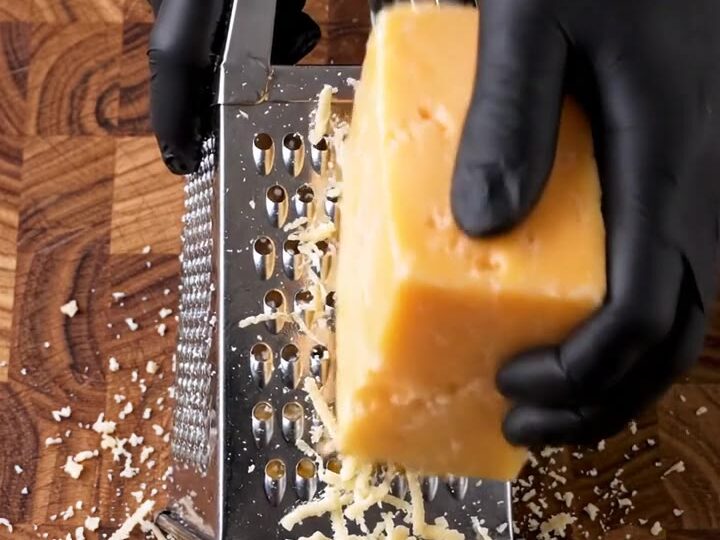
- Prep the Fish and AromaticsPat the Arctic char fillets dry with paper towels. Using a sharp knife, score the skin in a crosshatch pattern, cutting about 1/8 inch deep, without cutting into the flesh. Season both sides generously with kosher salt and freshly ground black pepper. Chop the fresh dill and mince the garlic. Grate the aged Parmigiano-Reggiano on the fine holes of a box grater into a fine pile.Look for The skin is scored in a diamond pattern and the cheese is a fine, fluffy snow.Tip Scoring helps the skin render and crisp evenly; do not cut too deep or the flesh will dry.
- Heat the SkilletPlace a cast iron skillet over medium-high heat and let it get hot for about 2 minutes. Add a drizzle of neutral oil (or a small pat of butter) and swirl to coat the bottom. The skillet is ready when a drop of water flicked onto the surface sizzles immediately.Look for The pan is hot enough that a drop of water dances and evaporates quickly.Tip A properly preheated skillet ensures the skin crisps without sticking.
At the end of this phase, the fish is scored, seasoned, and the skillet is hot. The fillets are seared skin-side down until the skin is deeply golden and crisp.
The flesh is just starting to turn opaque at the edges. The pan should have a nice fond (browned bits) that will flavor the butter sauce.
Butter Basting
- Sear the Fish Skin-Side DownLay the Arctic char fillets skin-side down in the hot skillet. Press gently with a spatula for 5 seconds to ensure even contact. Sear without moving for 3 to 4 minutes, until the skin is deeply golden and releases easily from the pan. Flip the fillets and cook for 1 to 2 minutes more for medium, or until the flesh is opaque and flakes easily.Look for The skin is crispy and bronzed; the flesh turns from translucent to opaque.Safe temperature 145°F (63°C) internal temperature (fish)Tip Resist the urge to move the fish; it will release when properly seared.
- Add Tomatoes and ButterAdd the cherry tomatoes to the skillet around the fish. Add the butter and let it melt and foam. Once the butter is foaming, add the minced garlic and half of the chopped dill. Stir gently to combine.Look for The butter foams and the garlic becomes fragrant but not browned.Tip Keep the heat medium so the garlic infuses without burning.
- Baste the FishTilt the skillet slightly and use a large spoon to scoop the foaming garlic-dill butter over the fish continuously for about 1 minute. The tomatoes will blister and soften as they cook in the butter. Continue basting until the fish is cooked through and the tomatoes are blistered.Look for The butter is foamy and the tomatoes are wrinkled and glistening.Safe temperature 145°F (63°C) internal temperature (fish)Tip Basting keeps the top moist and infuses flavor; do not let the butter brown too much.
The butter is foaming, the garlic is fragrant, and the tomatoes are blistering. The fish is being basted continuously, and the sauce is reducing slightly to a glossy, emulsified consistency. The fish should be cooked through but still moist, and the tomatoes should be soft and slightly charred.
Finish and Serve
- Finish with Parmesan and DillRemove the skillet from the heat. Sprinkle the grated Parmigiano-Reggiano over the fish and tomatoes. Garnish with the remaining fresh dill. Let the fish rest for 2 minutes before serving, so the cheese melts slightly and the juices settle.Look for The cheese melts into the butter sauce and the dill is bright green.Tip Letting it rest briefly ensures a moist, flaky texture.
- Serve ImmediatelyUsing a fish spatula, carefully transfer each fillet to a plate, keeping the crispy skin on top. Spoon the blistered tomatoes and garlic-butter sauce over the fish. Serve hot, with the crispy skin as the centerpiece.Look for The skin is shatteringly crisp and the sauce is glossy.Tip Serve with crusty bread or a light green salad to soak up the sauce.
The Parmigiano-Reggiano is sprinkled over the hot fish and tomatoes, melting into the butter sauce. Fresh dill adds a bright, herbal note. The fish is resting briefly, and the skin remains crisp. The dish is ready to be plated and served immediately.
Common mistakes
One common mistake is overcrowding the pan. If the fillets are too close, they'll steam instead of sear, and the skin won't crisp. Cook them in batches if necessary. Another issue is moving the fish too early—let it sear undisturbed until it releases naturally.
Also, be careful not to burn the garlic or butter. Keep the heat at medium and watch closely, as butter can go from foamy to brown quickly. Finally, don't skip the scoring; it's what gives you that shatteringly crisp skin.
How to tell it’s done
The fish is done when the flesh is opaque and flakes easily with a fork, and the internal temperature reaches 145°F (63°C). The skin should be deeply golden and crisp, not chewy. The tomatoes should be blistered and soft, and the butter sauce should be foamy and aromatic.
If you're unsure, use an instant-read thermometer inserted into the thickest part of the fillet. Remember that the fish will continue to cook slightly as it rests, so take it off the heat just before it reaches the target temperature.
- Fish: 145°F (63°C) in the thickest part
Up next · Part 3 of 3
4 variations · storage & make-ahead · 5 answers · printable card
Tips, FAQ & printable recipe (Part 3)← Back to the ingredients (Part 1)