Breakfast · Part 2 of 3: Instructions
Crispy Rosemary Focaccia Breakfast Panini with Burrata and Prosciutto Step-by-step instructions
- Prep
- Cook
- Total
- Serves
- 1
Before you start
Before you start, take the burrata out of the refrigerator so it loses some of its chill, and have the focaccia ready to split. Set out the pesto, prosciutto, and egg. Heat a large skillet over medium-high heat for the prosciutto, and have a second skillet or a heavy pan ready for pressing the sandwich.
Keep a plate lined with paper towels nearby for draining the prosciutto. If you like your egg yolk fully cooked, have a plan for flipping it, but for the classic version, keep it glossy and runny. This recipe moves quickly, so having all ingredients within reach makes the process seamless.
Ingredients at a glance (5)
- 1 12-cm square rosemary sea-salt focaccia
- 30 g basil pesto
- 80 g fresh burrata
- 3 slices Parma prosciutto
- 1 large egg
Instructions
Prepare the filling
- Split and layer the focacciaSlice the focaccia horizontally through the middle, keeping the two halves intact. Spread the basil pesto evenly over the cut side of the bottom half. Tear the burrata into ragged pieces and scatter them over the pesto, leaving some edges exposed for texture.Look for The pesto should cover the bread in a thin, even layer, and the burrata should be in bite-size clumps.Tip If the burrata is very wet, pat it dry with paper towels so the bread doesn't turn soggy.
- Crisp the prosciuttoPlace a large skillet over medium-high heat. Add the prosciutto slices in a single layer and cook until they turn crisp and deeply golden, about 90 seconds per side. Transfer the prosciutto to a plate lined with paper towels to drain.Look for The prosciutto should be rigid, with darker edges and a slightly translucent look when held up to light.Tip Don't overcrowd the pan; cook in batches if needed so the slices crisp rather than steam.
- Fry the egg in the rendered fatReduce the heat to medium. Crack the egg into the skillet with the rendered prosciutto fat. Cook until the white is set and the yolk is still glossy, about 2 minutes. For a fully cooked yolk, flip the egg and cook 30 seconds more.Look for The egg white should be opaque and firm, with a bright, glossy yolk that doesn't break when nudged.Safe temperature 160°F (71°C) internal temperature (egg dishes)Tip If the yolk is too runny for your liking, gently flip the egg and cook briefly until the yolk reaches the desired doneness.
At the end of this phase, you should have a split focaccia spread with pesto and topped with torn burrata, crispy prosciutto draining on paper towels, and a fried egg with a glossy yolk. The prosciutto should be deeply golden and rigid, and the egg white should be set. The kitchen will smell of toasted bread, basil, and rendered pork fat. Check that the burrata is cold but not icy, and that the pesto is evenly spread, leaving a small border around the edges so it doesn't drip out when pressing.
Assemble and press
- Assemble the paniniPlace the crispy prosciutto over the burrata, then lay the fried egg on top. Close the sandwich with the other focaccia half, pressing gently so the filling stays in place.Look for The sandwich should feel sturdy, with the filling evenly distributed and the top bread sitting flat.Tip If the egg yolk is very runny, let the sandwich rest for a minute before pressing so the yolk doesn't spill out.
- Press the panini until goldenHeat the same skillet over medium heat. Place the assembled sandwich in the skillet and press it down with a spatula or a heavy pan. Cook for 2 minutes per side, or until the bread is golden and crisp, and the cheese is melted.Look for The bread should be deeply golden and crackly, and the cheese should be visibly melted when you peek inside.Tip Use a cast-iron skillet or a panini press for even pressure and maximum crispness.
The sandwich should be assembled with the prosciutto and egg layered evenly, and the top focaccia half placed on top. When you press the panini, you should hear a gentle sizzle as the bread hits the hot skillet. After two minutes per side, the bread should be golden brown and crisp, and the cheese should be melted and slightly oozing. The sandwich should hold together when you lift it with a spatula, and the crust should feel firm and crackly. If the bread is browning too quickly, lower the heat slightly.
Slice and serve
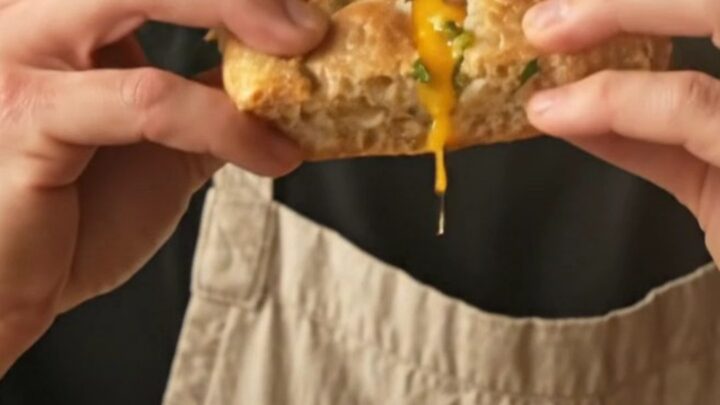
- Slice and serveTransfer the panini to a cutting board. Let it rest for 1 minute, then slice it in half with a sharp knife. Serve immediately while the crust is crackling and the yolk is still warm.Look for The cut should reveal distinct layers of pesto, burrata, prosciutto, and egg, with the yolk still glossy.Tip A serrated knife works best to cut through the crisp crust without squishing the filling.
After resting for a minute, slice the panini in half with a serrated knife. The cut should reveal distinct layers of green pesto, white burrata, pink prosciutto, and a golden yolk. The yolk should be glossy and slightly runny, but not so liquid that it floods the plate.
The crust should crackle as you cut, and the aroma of rosemary and olive oil should be strong. Serve immediately, while the bread is still warm and crisp. If the yolk is too runny for your taste, you can cook the egg longer next time, but this version is meant to be indulgent.
Common mistakes
One common mistake is not pressing the sandwich firmly enough, which leaves the bread soft and pale instead of crisp and golden. Use a heavy spatula or a second skillet to apply even pressure. Another pitfall is overcooking the egg, which makes the yolk hard and less saucy; keep the heat medium and watch it closely.
Also, avoid overloading the sandwich with pesto or burrata, as too much moisture can make the bread soggy. If the prosciutto isn't crisp, it won't provide the textural contrast, so cook it until it's truly crunchy. Finally, don't skip the resting time after pressing — it lets the cheese set slightly and makes slicing easier.
How to tell it’s done
The panini is done when the bread is deeply golden and crackling on both sides, and the cheese is visibly melted when you peek inside. The prosciutto should be crisp and slightly darkened at the edges, and the egg white should be set with a glossy, warm yolk.
If you prefer a fully cooked yolk, cook the egg until the yolk is firm and reaches an internal temperature of 160°F (71°C). The sandwich should feel sturdy when pressed, and the filling should be evenly distributed. Let it rest for a minute before slicing so the yolk doesn't run out too quickly, then serve immediately for the best texture.
- Egg dishes: 160°F (71°C) in the thickest part
Up next · Part 3 of 3
4 variations · storage & make-ahead · 5 answers · printable card
Tips, FAQ & printable recipe (Part 3)← Back to the ingredients (Part 1)