Dinner · Part 1 of 3: Ingredients
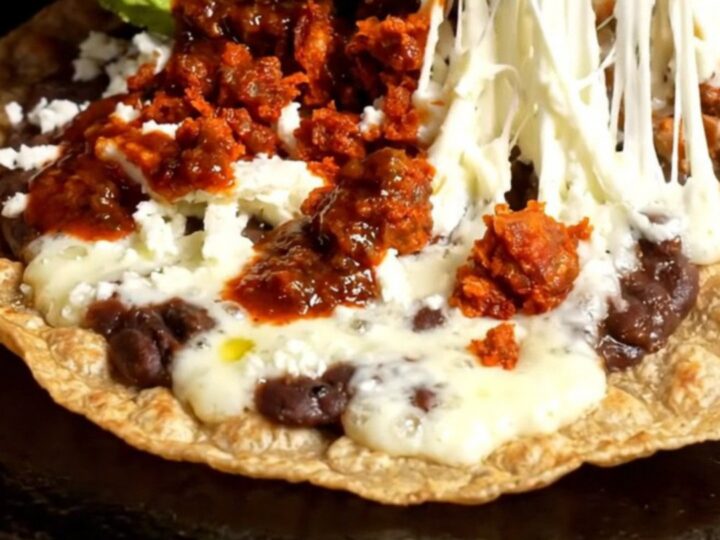
Crispy Oaxacan Tlayuda: Authentic Mexican Street Food at Home
- Prep
- Cook
- Total
- Serves
- 2
Transform your kitchen into a Oaxacan street market with this iconic crispy Tlayuda recipe. This traditional dish combines a satisfyingly crunchy corn base with savory, melted ingredients that deliver bold Mexican flavors in every single bite.
It is the perfect choice for anyone looking to recreate authentic street food experiences at home without needing specialized equipment or excessive prep time, making it an ideal candidate for a quick yet impressive dinner.
The Tlayuda is a culinary masterpiece from Oaxaca, Mexico, characterized by its large, crispy, toasted corn tortilla base. Unlike a standard taco or burrito, the Tlayuda is designed to hold a variety of flavorful toppings, including savory black beans, fresh string cheese, and spiced chorizo.
This recipe provides a straightforward method to achieve that signature crunch and perfect cheese melt, ensuring a reliable outcome for home cooks. By focusing on high-heat toasting and high-quality ingredients, this preparation achieves the authentic texture and taste that have made the dish famous worldwide.
Ingredients
Main
- 2 pieces large corn flatbreads (Tlayuda style)
Toppings
- 1 cup refried black bean paste
- 1 cup Oaxacan string cheese, shredded
- 1/2 lb fresh Mexican chorizo, casing removed
Garnish
- 1 whole sliced avocado
- 2 tbsp smoky salsa roja
Why this recipe works
The method of using a cast-iron comal or heavy skillet at high heat is essential for achieving the signature crunch of the Tlayuda. By heating the surface to 450°F, the tortilla undergoes rapid dehydration, which transforms it into a golden, crispy foundation that remains sturdy enough to support the toppings. This high-heat technique also ensures that the cheese melts and blisters quickly without burning the base.
Spreading the refried black bean paste in a thin, uniform layer acts as a moisture barrier, allowing the tortilla to crisp properly while providing a savory, earthy foundation for the other ingredients. The combination of the heat-rendered chorizo fat and the melting Oaxacan string cheese creates a cohesive flavor profile that penetrates the corn base, resulting in a rich and satisfying culinary experience in every bite.
Notes and substitutions
For the best results, use authentic Oaxacan string cheese, known as quesillo, which offers a unique texture that stretches beautifully when melted. If this is unavailable, a high-quality low-moisture mozzarella or Monterey Jack can provide a similar melt.
Ensure the chorizo is fresh Mexican-style, which is typically seasoned with chili and spices, rather than the dry-cured Spanish variety, which does not provide the same texture when cooked.
The choice of equipment is vital; a cast-iron comal or heavy-gauge skillet is preferred because of its superior heat retention. This ensures that the tortilla cooks evenly and crisps up correctly.
If using a thin pan, the tortilla may soften instead of crisping. Always ensure the skillet is properly preheated before adding the flatbread, as this initial burst of heat is what creates the characteristic toasted texture of the Tlayuda.
- Oaxacan string cheese: low-moisture mozzarella or Monterey Jack cheese
- Tlayuda base: large extra-thin flour or corn tortillas
Equipment
- Cast-iron comal or large skillet
- Spatula
- Knife
- Cutting board
Up next · Part 2 of 3
3 steps · 10 min of cooking · what to look for at each stage
Step-by-step instructions (Part 2)