Dinner · Part 2 of 3: Instructions
Crispy New Orleans Fried Oyster Po’ Boy Step-by-step instructions
- Prep
- Cook
- Total
- Serves
- 2
Before you start
Before beginning, ensure all ingredients are measured and ready. If the oysters are shucked, inspect them for any remaining shell fragments and pat them dry if they seem overly liquid. Prepare your workspace by setting up a dredging station with the buttermilk in one bowl and the seasoned cornmeal mixture in another.
Have the deep fryer preheated and ready to go. Having all components organized allows for a seamless transition from prepping the oysters to frying, ensuring the best quality and temperature control throughout the process.
Ingredients at a glance (13)
- 10 count Gulf oysters
- 1/2 cup buttermilk
- 1 cup yellow cornmeal
- 1/2 cup all-purpose flour
- 3 tbsp mayonnaise
- 1 tbsp Creole mustard
- 1 tsp hot sauce
- 1 tbsp capers
- 1 tbsp chopped pickles
- 1 loaf airy French baguette
- 1 cup shredded lettuce
- 1 count tomatoes, sliced
- 1/4 cup pickles, sliced
Instructions
Remoulade preparation
- Prepare the remouladeIn a medium mixing bowl, combine the mayonnaise, Creole mustard, hot sauce, capers, and chopped pickles. Whisk until the sauce is smooth and well incorporated. Set the remoulade aside in the refrigerator to allow the flavors to meld while preparing the oysters.Look for The sauce should be thick and creamy with visible bits of capers and pickles.Tip Keep the remoulade chilled until the very last moment to maintain its refreshing, zesty character.
The remoulade should be well-combined, creamy, and vibrant in color. The capers and pickles should be finely chopped to ensure a balanced distribution of flavor in every bite. It should be thick enough to hold its shape when spread on the bread, but thin enough to provide a smooth, zesty contrast to the crispy fried oysters.
Frying the oysters
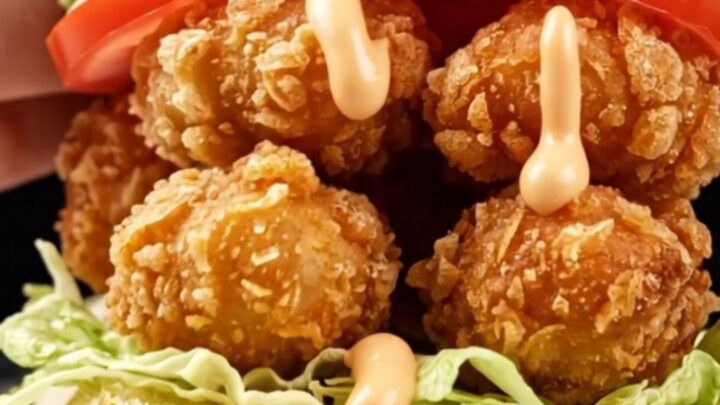
- Dredge and fry the oystersSoak the Gulf oysters in a bowl of buttermilk for five minutes. In a separate shallow dish, combine the cornmeal and flour. Remove each oyster from the buttermilk, letting excess drip off, then dredge thoroughly in the cornmeal mixture, coating all sides. Heat the deep fryer to 365°F (185°C). Carefully lower the oysters into the hot oil and fry for 90 seconds until they are golden brown and crispy. Drain on a wire rack to ensure the crust stays crunchy.Look for The oysters are ready when they turn a deep golden brown and the edges begin to curl slightly.Safe temperature 145°F (63°C) internal temperature (shellfish)Tip Work in small batches to ensure the oil temperature remains constant for the crispiest result.
The oysters are done when they have achieved a consistent, deep golden-brown crust. The coating should be firm and crunchy to the touch. They should be hot throughout, with the buttermilk-cornmeal crust providing a distinct, satisfying snap. They must be removed from the fryer immediately to prevent the interior from becoming tough or rubbery.
Assembling the sandwich
- Assemble the Po' BoyToast the French baguette at 375°F (190°C) until the surface is slightly crisp but the interior remains airy. Slice the bread open and spread a generous amount of the prepared remoulade on both sides. Layer the shredded lettuce, sliced tomatoes, and pickles onto the bread. Pile the hot, crispy fried oysters onto the sandwich and serve immediately while the contrast between the hot, crunchy exterior and the tender interior is at its peak.Look for The bread should be warm and toasted, providing a sturdy base for the juicy fried oysters.Tip Assemble just before serving to prevent the bread from becoming soggy from the remoulade and juices.
The final sandwich should be well-proportioned, with the remoulade acting as a bridge between the fresh, crisp lettuce, tomatoes, and the hot, crunchy oysters.
The baguette should be warm and toasted, providing a satisfying crunch that complements the texture of the oysters without overpowering them. The assembly should be tidy and ready for immediate serving.
Common mistakes
A common mistake is overcrowding the fryer, which causes the oil temperature to drop rapidly and leads to soggy, greasy oysters. Always fry in small batches to maintain a steady 365°F.
Another error is not draining the oysters properly after frying; using a wire rack instead of a paper towel allows air to circulate, keeping the crust crunchy. Finally, ensure the bread is toasted just enough to hold the ingredients; an under-toasted bun will quickly lose its texture against the remoulade.
How to tell it’s done
The oysters are perfectly cooked when they reach an internal temperature of 145°F (63°C). Visually, look for a deep golden-brown color and a firm, crispy exterior. The oysters should look plump and slightly curled around the edges.
Avoid overcooking, as this will make the oysters rubbery and diminish their natural, delicate flavor. Using a thermometer is the best way to ensure safety and quality, confirming they have reached the target temperature without drying out the interior.
- Shellfish: 145°F (63°C) in the thickest part
Up next · Part 3 of 3
2 variations · storage & make-ahead · 3 answers · printable card
Tips, FAQ & printable recipe (Part 3)← Back to the ingredients (Part 1)