Dinner · Part 1 of 3: Ingredients
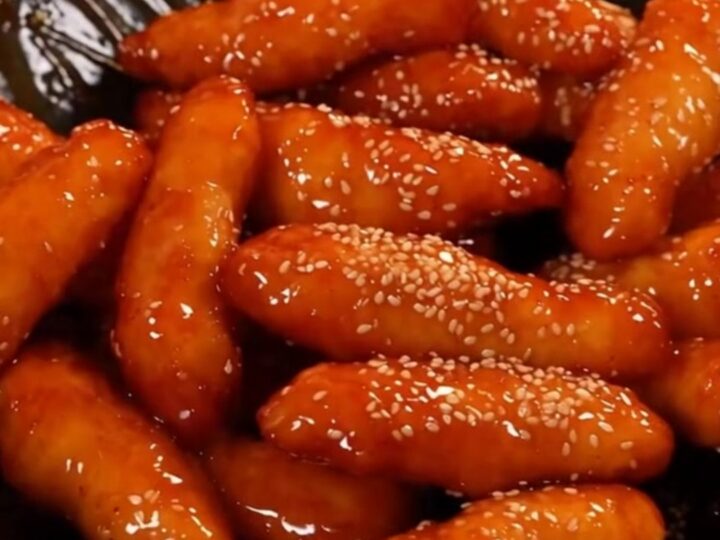
Crispy Korean Honey Butter Chicken Tenders
- Prep
- Cook
- Total
- Serves
- 2
Discover the secret to achieving that viral, shatteringly crisp crust on homemade chicken tenders. This Korean-inspired method uses a simple marinade and a precise double-frying technique to transform humble chicken breast into an addictive, sweet and savory masterpiece that rivals your favorite takeout spot.
Korean-style fried chicken is world-renowned for its incredibly light, glass-like crust that stays crunchy even when tossed in a sticky, flavorful glaze. By utilizing potato starch and the double-fry technique, this recipe ensures the chicken remains juicy inside while achieving a perfect exterior.
The combination of creamy butter, floral honey, and savory soy sauce creates a balanced glaze that clings perfectly to the craggy surface of the tenders, providing a professional-level culinary experience at home.
Ingredients
Chicken
- 500 grams chicken breast tenders, cut into strips
Marinade
- 1/2 cup milk
- 1 teaspoon garlic powder
- 1 tsp salt to taste
- 1/2 tsp black pepper to taste
Dredge
- 1 cup potato starch for serving
Frying
- 4 cups frying oil for serving
Glaze
- 4 tablespoons unsalted butter
- 3 tablespoons honey
- 1 tablespoon brown sugar
- 1 tablespoon soy sauce
Garnish
- 1 tbsp toasted sesame seeds for serving
Why this recipe works
The double-frying method is essential for achieving the signature texture of Korean fried chicken. The first fry at 340°F (170°C) gently cooks the interior of the chicken, ensuring it remains succulent and juicy.
The short rest period allows residual heat to finish the cooking process, while the moisture inside the crust begins to evaporate, setting the stage for the final transformation.
The second fry at a higher temperature of 375°F (190°C) is where the magic happens. This quick blast of high heat flash-fries the exterior, driving out any remaining moisture from the starch coating and creating that famous shatteringly crisp crust.
Because the chicken is already cooked through, this step focuses purely on perfecting the texture and color without drying out the meat.
Notes and substitutions
Potato starch is highly recommended for this recipe as it creates a lighter, crunchier coating than all-purpose flour. It absorbs less oil, which helps the chicken stay crispy longer after being tossed in the glaze. If you cannot find potato starch, cornstarch is a suitable alternative that will still provide a satisfying crunch.
The glaze relies on the emulsification of butter and honey. Using a wide wok allows for maximum surface area, which helps the sauce bubble and thicken rapidly.
This prevents the sauce from becoming too thin or greasy. Ensure the chicken is piping hot when it hits the glaze to keep the coating crisp, as cold chicken will absorb the sauce and become soggy.
- potato starch: Cornstarch can be used as a substitute, although potato starch typically provides a slightly lighter and crispier texture.
- brown sugar: Granulated white sugar or honey can be used, though brown sugar adds a deeper molasses note to the glaze.
Equipment
- mixing bowl
- wide wok
- deep-fry thermometer
- tongs
- wire cooling rack
- paper towels
Up next · Part 2 of 3
3 steps · 8 min of cooking · what to look for at each stage
Step-by-step instructions (Part 2)