Appetizers · Part 1 of 3: Ingredients
Crispy Korean Gimmari Seaweed Noodle Rolls
- Prep
- Cook
- Total
- Serves
- 4
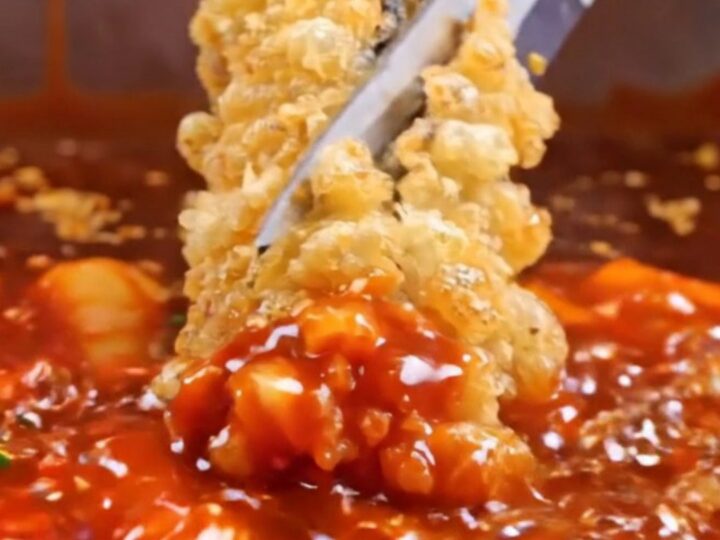
Discover the art of making crispy Korean seaweed noodle rolls, known as Gimmari. These delightful snacks feature a savory, chewy glass noodle center wrapped in roasted seaweed and encased in a light, airy tempura batter. They are designed for dunking into fiery sauces, creating a contrast of textures that is both comforting and exciting.
Gimmari is a beloved staple in Korean street food culture, celebrated for its unique combination of chewy glass noodles and crispy tempura exterior. This recipe guides you through the process of creating these rolls at home, from seasoning the noodles to achieving that signature golden crunch.
Whether you are looking for a quick appetizer or a crowd-pleasing snack, these seaweed rolls deliver a sophisticated balance of flavor and texture that is sure to impress. By using a light tempura batter, you ensure the seaweed remains crisp while protecting the delicate noodles inside.
Ingredients
Filling
- 200 g sweet potato glass noodles, boiled
- 15 ml soy sauce
- 10 ml sesame oil
- 1 tbsp garlic chives, chopped
Assembly
- 6 sheets roasted nori sheets
Batter
- 1 cup rice flour tempura batter
Frying
- 4 cups frying oil
Serving
- tteokbokki sauce, for serving
Why this recipe works
The method of using sweet potato glass noodles ensures a distinctively chewy texture that holds up perfectly inside the seaweed wrap. The noodles absorb the savory notes of the soy sauce and sesame oil, creating a concentrated punch of flavor that contrasts beautifully with the neutral, earthy taste of the roasted nori sheets.
Frying the battered rolls at precisely 370°F is essential for achieving the right crunch. This temperature allows the exterior to crisp up rapidly without allowing the oil to penetrate the batter, resulting in a light, non-greasy finish.
The quick fry time ensures the seaweed does not become chewy, maintaining the structural integrity of the roll for perfect dipping.
Notes and substitutions
When selecting ingredients, look for high-quality sweet potato glass noodles, often labeled as japchae noodles. These are essential for the authentic chewiness characteristic of Gimmari.
For the nori sheets, ensure they are roasted and flexible enough to roll without cracking. Using a light rice flour batter provides a crisper finish than standard wheat flour, as rice flour absorbs less oil during the frying process.
Equipment-wise, a deep-fry thermometer is highly recommended to monitor the oil temperature, as maintaining a steady 370°F is the key to success.
If you do not have kitchen shears, a sharp chef's knife will work, but shears make it much easier to cut the rolls into bite-sized pieces without crushing the crispy exterior. Always have a wire cooling rack on hand to keep the rolls crisp after frying.
- garlic chives: green onions or scallions
- rice flour tempura batter: all-purpose flour mixed with cornstarch and sparkling water
Equipment
- Mixing bowl
- Kitchen shears
- Deep fryer or heavy-bottomed pot
- Tongs
- Wire cooling rack
Up next · Part 2 of 3
4 steps · 3 min of cooking · what to look for at each stage
Step-by-step instructions (Part 2)