Breakfast · Part 3 of 3: Tips & recipe card
Crispy Crab Cake Benedict with Old Bay Hollandaise Tips, FAQ & printable recipe

- Prep
- Cook
- Total
- Serves
- 2
Tips for success
For the best crab cakes, resist the urge to overwork the mixture. Use a rubber spatula and fold just until the ingredients are combined; it's okay if some panko is not fully incorporated.
Chilling the patties for at least 15 minutes makes them easier to handle and helps them sear evenly. If you have time, chill for 30 minutes for even better structure.
The hollandaise can be made ahead and kept warm in a thermos for up to 30 minutes. If it thickens too much, whisk in a teaspoon of warm water. For poached eggs, the fresher the eggs, the better they hold their shape.
If you're nervous about poaching, you can use an egg poacher or gently simmer the eggs in a shallow pan of water with a splash of vinegar.
Variations
- Smoked Salmon Benedict: Swap the crab for cold-smoked salmon slices. Skip the searing step and simply layer the salmon on toasted English muffins with the spinach and poached eggs. Use a classic hollandaise without Old Bay.
- Crab Cake Eggs Benedict with Avocado: Add sliced avocado under the poached egg for extra creaminess. The avocado adds a buttery texture that complements the crab and hollandaise. Use a little lime juice in the avocado to brighten it.
- Southern-Style Benedict: Serve the crab cakes on a split buttermilk biscuit instead of an English muffin. Add a spoonful of pimento cheese under the spinach for a Southern twist. The biscuit's flaky texture pairs well with the crab.
- Lighter Crab Benedict: For a lighter version, use Greek yogurt in place of mayonnaise in the crab cakes and a yogurt-based hollandaise. Sear the crab cakes in a nonstick pan with a small amount of oil. This reduces the richness while keeping the flavor.
Storage and make-ahead
- Fridge
- Store leftover crab cakes in an airtight container in the refrigerator for up to 2 days.
- Freezer
- Freeze uncooked crab cake patties on a baking sheet, then transfer to a freezer bag for up to 1 month. Thaw overnight in the refrigerator before searing.
- Reheat
- Reheat crab cakes in a 350°F (175°C) oven for 8-10 minutes or until hot. Do not microwave, as it will make them soggy.
Leftover crab cakes can be stored in an airtight container in the refrigerator for up to 2 days. The hollandaise does not store well and should be made fresh. Poached eggs can be stored in a bowl of cold water in the fridge for up to 1 day and reheated in simmering water for 30 seconds.
The crab cake mixture can be prepared up to 1 day ahead and kept covered in the refrigerator. Shape into patties just before searing.
The hollandaise can be made up to 1 hour ahead and kept warm in a thermos. The spinach can be wilted in advance and reheated gently, but it is best fresh.
Serving ideas
Serve the Benedicts immediately after assembling so the crab cakes stay crisp and the hollandaise is warm. A light sprinkle of fresh chives or a pinch of Old Bay on top adds color and flavor. Pair with roasted potatoes, fresh fruit, or a simple green salad for a complete brunch.
For a brunch gathering, set up a buffet with the crab cakes, spinach, poached eggs, and hollandaise in separate dishes, and let guests build their own.
Keep the hollandaise in a warm thermos and the crab cakes on a warming tray. This dish also works as a special dinner with a glass of dry white wine.
Frequently asked questions
Can the crab cakes be made ahead of time?
Why does the hollandaise sauce split?
Can this recipe be made without poached eggs?
What can be used instead of Old Bay seasoning?
Can the hollandaise be made without a blender?
Crispy Crab Cake Benedict with Old Bay Hollandaise

Ingredients
- 180 g jumbo lump blue crab meat
- 20 g mayonnaise
- 5 g Dijon mustard
- 1 egg yolk
- 4 g Old Bay seasoning
- 20 g panko breadcrumbs
- 2 tbsp clarified butter
- 2 cups baby spinach
- 2 cloves garlic, minced
- 2 large eggs
- 1/2 cup unsalted butter
- 2 egg yolks
- 1 tbsp fresh lemon juice
- 1/2 tsp Old Bay seasoning
- salt to taste
Instructions
- In a medium bowl, gently fold the jumbo lump crab meat with the mayonnaise, Dijon mustard, 1 egg yolk, Old Bay seasoning, and panko breadcrumbs. Use a light hand to keep the lumps intact. Season with a pinch of salt. Shape the mixture into 2 thick patties, about 1 inch thick. Place them on a plate and refrigerate while preparing the hollandaise and spinach.
- In a small saucepan, melt the unsalted butter over medium heat. Continue cooking until the butter turns golden brown and smells nutty, about 3 minutes. Remove from heat. In a blender or with a whisk, combine the 2 egg yolks, lemon juice, and Old Bay seasoning. Slowly drizzle in the warm brown butter while whisking constantly until the sauce emulsifies and thickens. Keep warm.
- Fill a large skillet with 2 inches of water and bring to a gentle simmer. Add a splash of vinegar if desired. Crack each egg into a small bowl, then slide it into the water. Poach for 3 to 4 minutes for a set white and a creamy yolk. Remove with a slotted spoon and drain on paper towels.
- In a clean skillet, heat 1 tablespoon of clarified butter over medium heat. Add the minced garlic and cook until fragrant, about 30 seconds. Add the baby spinach and toss until just wilted, about 2 minutes. Season with a pinch of salt. Remove from heat and keep warm.
- Heat the remaining 1 tablespoon of clarified butter in a large skillet over medium-high heat until shimmering. Carefully place the crab cakes in the skillet. Cook until deeply golden brown and heated through, about 3 minutes per side. The internal temperature of the crab cakes should reach 145°F (63°C).
- Place a crab cake on each plate. Top with a portion of the garlic spinach, then a poached egg. Spoon the warm Old Bay brown-butter hollandaise generously over the top. Serve immediately.
Estimated nutrition per serving
- Calories
- 690
- Protein
- 28 g
- Carbohydrates
- 15 g
- Fat
- 58 g
Next recipe
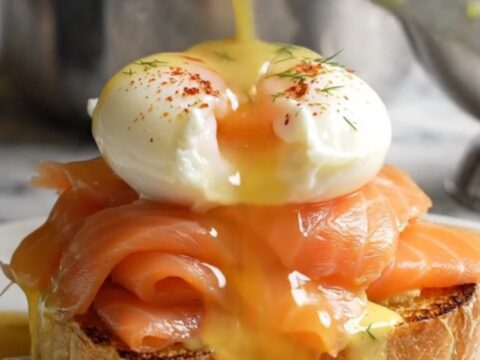
Effortless Eggs Royale with Blender Hollandaise
See the recipe → →This recipe is based on a short cooking video and is published under the pen name Clara Weller. It was checked before publication, but errors can slip through. Nutrition, when shown, is an estimate. Read more in our editorial policy and on our food safety page.
More recipes to try

Crispy Traditional Chilaquiles with Smoky Guajillo Salsa
Total time: 15 min
Five-Minute Turkish Feta and Dill Breakfast Cake
Total time: 32 min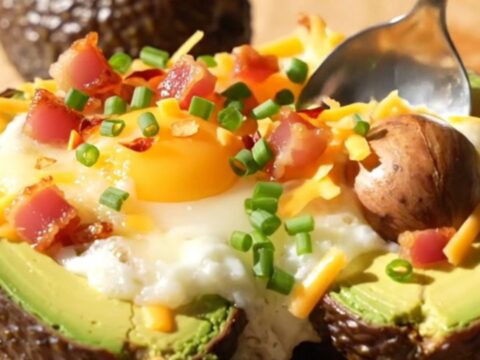
Crispy Pancetta and Egg Baked Avocados
Total time: 17 min
One-Skillet Smoky Shakshuka with Warm Pita
Total time: 25 min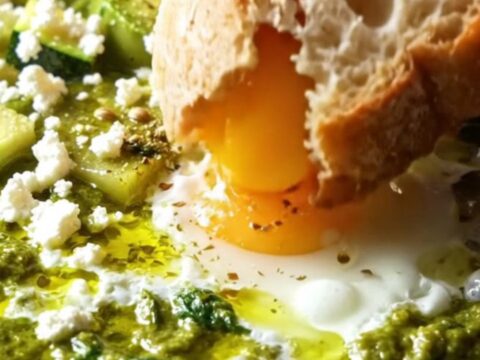
Vibrant Green Shakshuka with Spinach and Feta
Total time: 21 min