Dinner · Part 1 of 3: Ingredients
Crispy Hand-Stretched Börek Without a Rolling Pin
- Prep
- Cook
- Total
- Serves
- 6
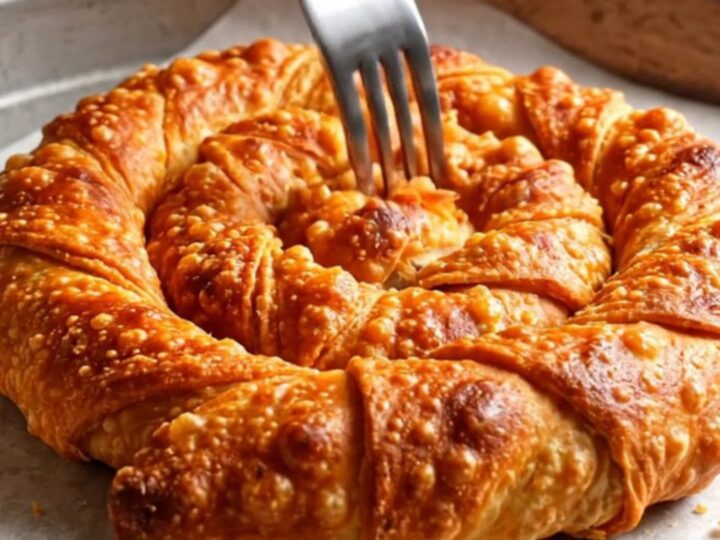
Forget the rolling pin. This Turkish börek achieves its legendary flakiness through a centuries-old technique: hand-stretching the dough until it's nearly transparent, then layering it with seasoned beef and baking to a shattering crisp.
The result is a spiral of paper-thin, crackling layers that shatter with every bite, releasing the aroma of caramelized onions and spiced meat. It's a showstopper for dinner or a special gathering, and the method is surprisingly forgiving once you feel the dough yield under your fingers.
Börek is a beloved Turkish pastry that comes in many forms, but this version skips the rolling pin entirely. Instead, the dough is rested in a bath of melted butter and oil, which relaxes the gluten and makes it elastic enough to stretch by hand into silky, translucent sheets.
Those sheets are then wrapped around a savory filling of ground beef and caramelized onions, coiled into a spiral, and baked until the exterior is blistered and deeply golden. The contrast between the crisp, shattering crust and the tender, juicy filling is unforgettable.
Ingredients
- 4 cups all-purpose flour
- 1 1/2 cups warm water
- 1 tsp salt
For the dough and oil
- 1/2 cup unsalted butter, melted
- 1/2 cup vegetable oil
For the filling
- 1 lb ground beef
- 2 medium onions, finely chopped
- 1/2 tsp black pepper
- 1 tsp paprika
Why this recipe works
Resting the dough in a mixture of melted butter and oil is the key to its incredible stretch. The fat coats the gluten strands, preventing them from tightening and allowing the dough to be pulled paper-thin without tearing.
This technique, common in Turkish and Balkan cuisines, creates layers that separate into hundreds of delicate, crispy shards when baked, giving the börek its signature crackle.
Hand-stretching also produces a more irregular, delicate texture than a rolling pin ever could. The gentle pulling creates thin spots that crisp up beautifully, while the fat between the layers steams during baking, lifting the pastry and creating airy pockets.
The result is a pastry that is simultaneously shatteringly crisp and wonderfully tender, with a depth of flavor that comes from the caramelized beef and onions.
Notes and substitutions
Use a good-quality all-purpose flour with a moderate protein content; it gives the dough enough structure to stretch without becoming tough. The warm water helps the dough come together quickly and makes it more pliable. Make sure the butter and oil mixture is warm but not hot when you pour it over the dough balls – it should feel like a warm bath, not a hot one.
For the filling, choose ground beef with a bit of fat (80/20 is ideal) so it stays moist during baking. The onions should be finely chopped and cooked until they are truly caramelized – this adds a natural sweetness that balances the savory beef. If you prefer a spicier filling, add a pinch of red pepper flakes or a dash of cayenne along with the paprika.
- ground beef: ground lamb or a mix of beef and lamb for a richer flavor.
- unsalted butter: Use salted butter and reduce the added salt in the dough to 1/2 teaspoon.
- vegetable oil: Use olive oil for a fruity note, though it will slightly change the flavor.
Equipment
- Large mixing bowl
- Shallow dish for oil
- Round baking tray (10-inch)
- Pastry brush
- Clean kitchen towel
Up next · Part 2 of 3
5 steps · 30 min of cooking · what to look for at each stage
Step-by-step instructions (Part 2)