Appetizers · Part 2 of 3: Instructions
Crispy Gochujang Bulgogi Mandu with Molten Cheese Step-by-step instructions
- Prep
- Cook
- Total
- Serves
- 4
Before you start
Before you begin, ensure all your ingredients are prepped and ready to go, as the cooking process moves very quickly.
Have your fillings finely chopped to ensure even distribution and easier assembly. If you are using pre-marinated bulgogi, make sure it is drained of excess liquid to avoid a soggy dumpling.
Set up a clean, dry workstation for assembling the mandu, and keep a small bowl of water nearby for sealing the edges of the wrappers. Having your cast-iron skillet and kitchen torch within reach will help you maintain the flow of the recipe without unnecessary interruptions or delays.
Ingredients at a glance (6)
- 220 g marinated ribeye bulgogi, finely chopped
- 40 g fermented kimchi, finely chopped
- 30 g gochujang paste
- 120 g shredded mozzarella
- 16 pieces round mandu wrappers
- sesame seeds, for serving
Instructions
Assembly Phase
- Prepare the FillingCombine the finely chopped marinated ribeye bulgogi, fermented kimchi, gochujang paste, and a portion of the shredded mozzarella in a medium mixing bowl. Mix thoroughly until the gochujang is evenly distributed throughout the beef and kimchi mixture. Place a spoonful of the mixture into the center of each round mandu wrapper, fold, and seal the edges tightly to ensure no filling escapes during the cooking process.Look for The mixture should be thick and cohesive.Tip Keep the wrappers covered with a damp cloth while assembling to prevent them from drying out.
At the end of this phase, the mandu should be neatly sealed with no gaps. The filling should be evenly distributed, and the wrappers should be pliable but not overly wet. Ensure every dumpling is tightly closed so that the cheese remains inside during the high-heat searing process.
Crisping Phase
- Searing the DumplingsHeat a cast-iron skillet over medium-high heat. Add the mandu to the pan in a single layer, ensuring they do not touch. Fry the dumplings for 4 minutes, turning halfway through, until the exterior is golden brown and crispy. Ensure the internal temperature of the beef mixture reaches 145°F (63°C) and let the meat rest for 3 minutes to verify the meat is fully cooked through.Look for The wrappers should be golden brown and crisp.Safe temperature 145°F (63°C) internal temperature (steaks, chops and roasts)Tip Do not overcrowd the skillet to ensure even frying and maximum crispiness.
The dumplings should be golden brown and audible when tapped with a utensil. The exterior will be firm and crisp, providing a satisfying crunch. At this point, the filling is fully cooked, and the aromas of caramelized beef and gochujang should be filling the kitchen.
Melting Phase
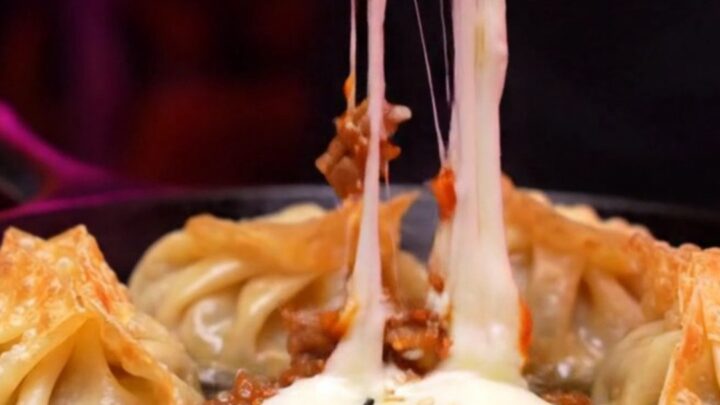
- Torch and ServeOnce fried, sprinkle the remaining shredded mozzarella over the top of the hot mandu in the skillet. Use a kitchen torch to melt the cheese until bubbling and slightly browned. Sprinkle immediately with sesame seeds and serve while the cheese is still molten and stretchy. The combined heat from the skillet and the torch ensures the cheese reaches a perfect gooey consistency for serving.Look for The cheese should be bubbly and golden.Tip If a torch is unavailable, briefly place the skillet under a preheated broiler for 1 minute.
The final result is a skillet of bubbling, molten cheese that drapes perfectly over the crisp mandu. The cheese should have distinct browned spots from the torch, and the sesame seed garnish adds a final touch of texture. The dish is ready to serve immediately while the cheese is at its peak melt.
Common mistakes
A common mistake is overcrowding the skillet, which lowers the temperature and causes the dumplings to steam rather than fry, resulting in a rubbery texture instead of a crispy one. Another error is not sealing the wrappers tightly enough, which allows the mozzarella to escape into the pan.
Ensure you use enough water to wet the edges and press firmly to create a secure seal. Finally, failing to monitor the internal temperature of the meat can lead to undercooked filling, so always use a thermometer to confirm the beef is safe to eat.
How to tell it’s done
The mandu are done when the wrappers are golden brown and crispy on both sides. The filling must be heated thoroughly, reaching an internal temperature of 145°F (63°C) for the beef mixture. The cheese on top should be completely melted, bubbly, and slightly browned from the torch.
If the cheese is not melting quickly enough, briefly increase the intensity of your torch or place the skillet under a broiler for a few seconds. Always check the thickest part of the filling with a meat thermometer to ensure safety.
- Steaks, chops and roasts: 145°F (63°C) in the thickest part, then a 3-minute rest
Up next · Part 3 of 3
2 variations · storage & make-ahead · 3 answers · printable card
Tips, FAQ & printable recipe (Part 3)← Back to the ingredients (Part 1)