Breakfast · Part 1 of 3: Ingredients
Clap-Fluffed Malabar Parotta with Golden Ghee
- Prep
- Cook
- Total
- Serves
- 4
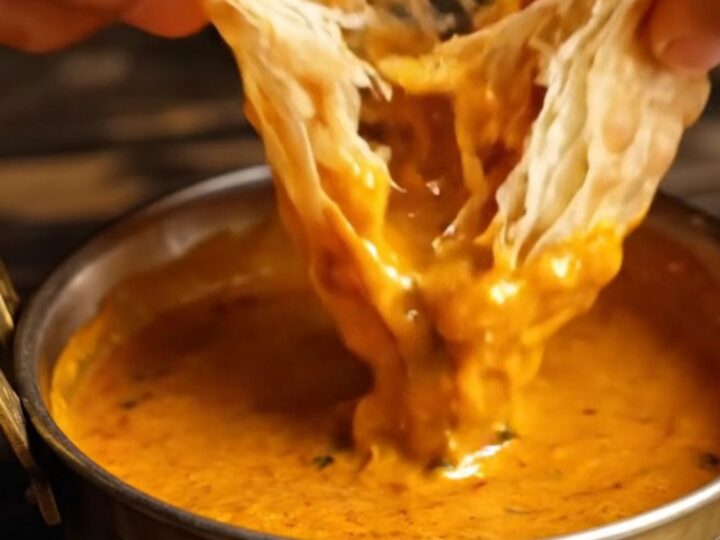
Clap this flaky Malabar parotta to unleash dozens of crispy, buttery layers. This South Indian flatbread is made by coiling ghee-brushed dough, rolling it thin, and searing on a hot cast-iron skillet until golden and puffed. The final clap between your hands creates those signature shattering ribbons that are perfect for scooping up curry.
Malabar parotta is a beloved flatbread from the Malabar coast of India, known for its flaky, layered texture that shatters with every bite. Unlike simple roti or naan, parotta is made by coiling thin strips of dough, then rolling and cooking them to create dozens of delicate layers.
The result is a crispy, buttery bread that is both indulgent and satisfying. This recipe guides you through the process, from making the dough to the satisfying clap that fluffs the layers. Serve it warm with your favorite curry for a truly memorable meal.
Ingredients
- 2 cups all-purpose flour
- 1 tsp salt
- 3/4 cup lukewarm water
- 1/4 cup ghee, melted, plus more for brushing
- 1 tbsp vegetable oil, for the bowl
Why this recipe works
The key to flaky parotta lies in the lamination technique. By brushing the thin dough with ghee and coiling it into a spiral, you create alternating layers of dough and fat.
When the parotta hits the hot skillet, the ghee melts and steams, pushing the layers apart and creating a light, airy texture. This method is similar to making puff pastry but is much simpler and faster.
The high heat of a cast-iron skillet is essential for achieving a crisp, golden exterior while keeping the inside tender. The direct contact with the hot surface creates blisters and browning that add flavor and texture.
The final clap, while dramatic, serves a practical purpose: it breaks the layers apart, making the parotta easier to tear and increasing its surface area for soaking up curry.
Notes and substitutions
Use a good-quality all-purpose flour for the best texture. The dough should be soft and pliable, not stiff. If it feels too dry, add a little more water; if too sticky, add a bit more flour. Resting the dough is crucial—it relaxes the gluten, making it easier to roll and stretch without tearing.
Ghee is traditional and adds a rich, nutty flavor, but you can substitute unsalted butter if needed. A well-seasoned cast-iron skillet is ideal for even browning.
If you don't have one, a heavy nonstick skillet will also work, though the browning may be less even. Keep the cooked parottas covered with a towel to keep them warm while you cook the rest.
- ghee: unsalted butter, melted, for a slightly nuttier flavor
- all-purpose flour: bread flour for a chewier texture
- vegetable oil: any neutral oil like canola or sunflower
Equipment
- Large mixing bowl
- Rolling pin
- Cast-iron skillet
- Pastry brush
- Clean kitchen towel
Up next · Part 2 of 3
6 steps · 15 min of cooking · what to look for at each stage
Step-by-step instructions (Part 2)