Dinner · Part 2 of 3: Instructions
Crispy Eggplant Parmesan Stacks with Garlic Marinara Step-by-step instructions
- Prep
- Cook
- Total
- Serves
- 4
Before you start
Before cooking, slice the eggplant and salt it to draw out moisture. Set up a breading station with flour, beaten eggs, and a panko-parmesan mixture. Heat the olive oil in a cast iron skillet over medium heat.
Have the marinara sauce and shredded mozzarella ready. Preheat the broiler with a rack about 6 inches from the heat. This preparation ensures a smooth cooking process and perfectly crisp results.
Ingredients at a glance (10)
- 1 large purple eggplant
- 1 tsp kosher salt
- 1/2 cup all-purpose flour
- 2 large eggs
- 1 1/2 cups panko breadcrumbs
- 1/2 cup grated parmesan cheese
- 1/2 cup olive oil, for frying
- 2 cups garlic marinara sauce
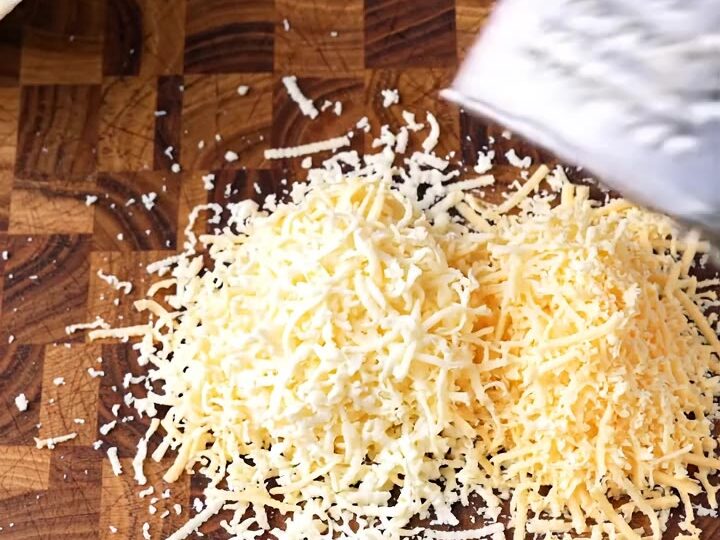
- 8 oz whole milk mozzarella, shredded
- 1/2 cup fresh basil leaves
Instructions
Prep and Bread
- Prep the EggplantSlice the eggplant into thick, even rounds, about 1/2 inch thick. Sprinkle both sides with kosher salt and let sit for 15 minutes to draw out excess moisture. Pat dry with paper towels.Look for The eggplant slices look dry and slightly shiny, with no standing moisture.Tip Salting the eggplant helps it crisp up and prevents sogginess.
- Set Up Breading StationPlace the flour in one shallow bowl, beaten eggs in a second, and mix the panko with grated parmesan in a third.Look for Three bowls are ready: flour, egg wash, and seasoned panko.Tip Use one hand for dry ingredients and the other for wet to keep the coating even.
- Bread the EggplantDredge each eggplant round in flour, shaking off excess. Dip into the egg wash, then press into the panko mixture until evenly coated on both sides.Look for Each round is fully coated with a golden, crumbly crust.Tip Press the panko gently so it adheres well.
At the end of this phase, the eggplant slices are salted, patted dry, and evenly coated with flour, egg, and panko.
The breading should be firmly adhered and the slices look dry and ready for frying. The breading station is set up, and the oil is heating in the skillet.
Fry and Assemble
- Fry the EggplantHeat olive oil in a cast iron skillet over medium heat. Fry the breaded eggplant rounds in batches until golden brown and crisp, about 2-3 minutes per side. Transfer to a paper towel-lined plate.Look for The crust is deep golden brown and crisp to the touch.Tip Do not overcrowd the skillet; fry in a single layer.
- Layer the StacksPreheat the broiler. On a baking sheet or in the same skillet, place one eggplant round. Spoon a generous amount of garlic marinara over it, then top with a mound of shredded mozzarella. Repeat with remaining rounds, stacking them in pairs or triples.Look for Each stack has a thick layer of sauce and cheese.Tip Use more cheese on top for a bubbly, golden finish.
- Melt Until BubblingPlace the stacks under the broiler for 2-3 minutes, until the cheese is melted and bubbling and the edges are lightly browned.Look for The cheese is fully melted, with golden spots and bubbling edges.Safe temperature 160°F (71°C) internal temperature (egg dishes)Tip Watch closely to avoid burning the cheese.
The eggplant rounds are golden brown and crisp, with a crunchy exterior. The stacks are assembled with marinara and mozzarella, ready for the broiler. The cheese is piled high, and the stacks look inviting and hearty.
Broil and Serve
- Finish with BasilRemove the stacks from the broiler and immediately crown each with fresh basil leaves. Let them rest for 1 minute.Look for The basil leaves are bright green and fragrant.Tip Add basil after broiling to keep it fresh and vibrant.
- Slice and ServeUsing a sharp knife, slice cleanly through each stack to show the layers. Pull a portion with a fork to reveal the cheese stretch, then serve immediately.Look for The layers are distinct, and the cheese pulls in long strands.Tip Serve hot for the best cheese pull.
The cheese is bubbling and golden, the basil is fresh and bright, and the stacks are sliced cleanly. The cheese pulls in long, stretchy strands, and the layers are visible. The dish is ready to serve immediately.
Common mistakes
A common mistake is skipping the salting step, which leads to soggy eggplant. Another is overcrowding the skillet, causing the crust to steam rather than crisp. Using pre-shredded mozzarella often results in a less creamy melt due to anti-caking agents.
Also, be careful not to over-broil, as the cheese can burn quickly. Finally, slicing the eggplant too thin can cause it to become mushy, while too thick leaves it undercooked.
How to tell it’s done
The eggplant stacks are done when the cheese is fully melted and bubbling, with golden brown spots on top. The crust should be crisp and golden, and the eggplant tender when pierced with a fork.
If using a food thermometer, the internal temperature of the eggplant should reach at least 165°F (74°C) to ensure it is cooked through. The cheese should stretch when pulled, and the basil should be fragrant and fresh.
- Egg dishes: 160°F (71°C) in the thickest part
Up next · Part 3 of 3
4 variations · storage & make-ahead · 5 answers · printable card
Tips, FAQ & printable recipe (Part 3)← Back to the ingredients (Part 1)