Dinner · Part 2 of 3: Instructions
Crispy Eggplant Parmesan Skillet with Molten Mozzarella Step-by-step instructions
- Prep
- Cook
- Total
- Serves
- 4
Before you start
Before starting, slice the eggplants into thick, even rounds, about 1/2-inch thick. Sprinkle them with salt and let them sit for 10 minutes to draw out moisture, then pat them dry.
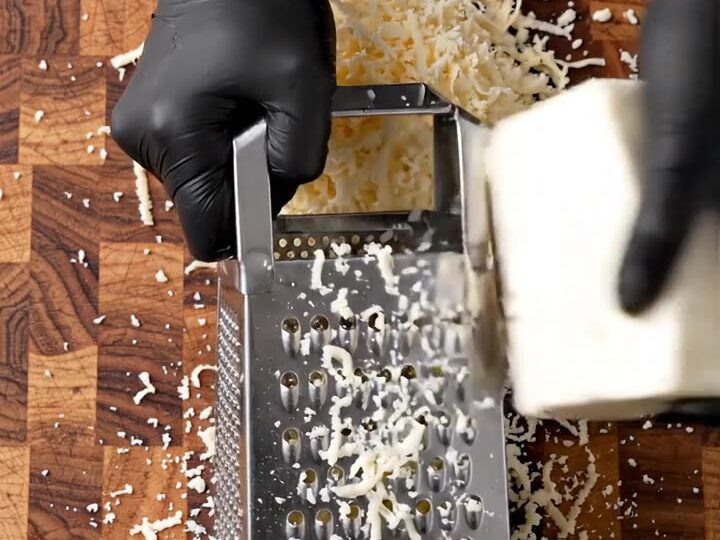
Set up a breading station with flour, beaten eggs, and a mixture of panko and grated parmesan. Shred the mozzarella cheese and have the marinara sauce ready. Heat the olive oil in a large cast iron skillet over medium-high heat.
Ingredients at a glance (10)
- 2 medium purple eggplants, sliced into thick even rounds
- 1 tsp kosher salt
- 1/2 cup all-purpose flour
- 2 large eggs, beaten
- 1 1/2 cups panko breadcrumbs
- 1/2 cup grated parmesan cheese
- 1/2 cup olive oil, for frying
- 2 cups garlic marinara sauce
- 8 oz whole milk mozzarella, shredded
- 1/4 cup fresh basil leaves, torn
Instructions
Prep and Bread
- Prepare the Eggplant and BreadingSlice the purple eggplants into thick even rounds, about 1/2-inch thick. Sprinkle both sides with kosher salt and let sit for 10 minutes to draw out moisture. Pat dry with paper towels. Set up a breading station: place the flour in one shallow dish, the beaten eggs in another, and mix the panko breadcrumbs with the grated parmesan in a third dish.Look for The eggplant rounds should be dry and the breading station ready before frying.Tip Salting the eggplant helps remove excess moisture and ensures a crispier crust.
- Coat the Eggplant RoundsDredge each eggplant round in the flour, shaking off any excess. Dip it into the beaten eggs, allowing the excess to drip off, then press it into the panko-parmesan mixture, coating both sides evenly. Place the breaded rounds on a plate or wire rack while breading the rest.Look for Each round should be fully coated with no bare spots.Tip Use one hand for wet ingredients and the other for dry to keep the coating from clumping.
The eggplant rounds are salted, patted dry, and coated evenly with flour, egg, and the panko-parmesan mixture. The breading should adhere well and the station should be clean. The oil is heating in the skillet, shimmering but not smoking.
Fry and Assemble
- Fry the Eggplant Until GoldenHeat the olive oil in a large cast iron skillet over medium-high heat. When the oil shimmers, carefully add the breaded eggplant rounds in a single layer, working in batches if needed. Fry for 2-3 minutes per side until golden brown and crisp. Transfer to a paper towel-lined plate to drain.Look for The crust should be deep golden brown and crisp, and the eggplant tender when pierced.Safe temperature 160°F (71°C) internal temperature (egg dishes)Tip Do not overcrowd the pan; the oil temperature will drop and the crust will absorb oil.
- Assemble the SkilletReduce the heat to medium. Spoon a thin layer of garlic marinara over the bottom of the skillet. Arrange the fried eggplant rounds in a single layer, slightly overlapping. Spoon more marinara over each round, then pile the shredded mozzarella generously on top. Sprinkle with a little extra parmesan if desired.Look for The skillet should look full and saucy, with cheese covering the eggplant.Tip Use a spoon to press the cheese slightly so it melts into the sauce.
- Melt Until BubblingPlace the skillet over medium heat and cover with a lid or foil. Cook for 5-7 minutes until the cheese is fully melted and the sauce is bubbling around the edges. Remove the lid and let the top brown slightly for 1-2 minutes if a golden crust is desired.Look for The cheese should be completely melted and the sauce visibly bubbling at the edges.Tip Covering helps the cheese melt evenly without burning the bottom.
The eggplant rounds are fried until golden brown and crisp, then drained on paper towels.
The skillet is layered with marinara, eggplant, more sauce, and a generous pile of mozzarella. The cheese is melting and the sauce is beginning to bubble.
Melt and Serve
- Garnish and ServeRemove the skillet from the heat and scatter the torn fresh basil leaves over the top. Let the skillet rest for 2 minutes so the cheese sets slightly. Slice cleanly through a golden stack with a sharp knife, then pull a crispy cheese-stretching portion to serve.Look for The basil should be bright green and the cheese pull stretchy and long.Tip A sharp knife gives clean slices; a serrated knife also works well.
The cheese is fully melted and bubbling, with a few golden spots on top. The basil is scattered over the hot skillet. When sliced, the cheese pulls in long strands and the crust remains crisp.
Common mistakes
One common mistake is not salting the eggplant, which leads to a soggy crust. Another is overcrowding the skillet when frying, which drops the oil temperature and makes the coating greasy.
Also, be sure to use a high-quality mozzarella that melts well; pre-shredded cheese can turn rubbery. Finally, don't skip the resting time before slicing, as it allows the cheese to set slightly for cleaner cuts.
How to tell it’s done
The eggplant is done when the crust is deeply golden brown and crisp, and the eggplant is tender when pierced with a fork. The internal temperature of the cooked eggs in the breading should reach 160°F (71°C).
The cheese is fully melted when it is bubbling and lightly browned at the edges. The dish is ready to serve when the cheese is molten and the sauce is hot throughout.
- Egg dishes: 160°F (71°C) in the thickest part
Up next · Part 3 of 3
4 variations · storage & make-ahead · 5 answers · printable card
Tips, FAQ & printable recipe (Part 3)← Back to the ingredients (Part 1)