Dinner · Part 2 of 3: Instructions
Crispy Coconut Shrimp Sliders with Mango Habanero Slaw Step-by-step instructions
- Prep
- Cook
- Total
- Serves
- 8
Before you start
Before starting, ensure all components are prepped. Clean the shrimp, pat them dry, and arrange your dredging station in order to streamline the process. Dice the mango, slice the cabbage, and mince the habanero finely to ensure the flavors distribute evenly throughout the slaw.
Having your oil heated and your brioche buns ready to toast will make the final assembly phase seamless and efficient, preventing any unnecessary delays once the shrimp are fried.
Ingredients at a glance (13)
- 16 count jumbo shrimp, peeled and deveined
- 1/2 cup all-purpose flour
- 2 large eggs, beaten
- 1 1/2 cups shredded sweetened coconut
- 1 cup panko breadcrumbs
- 1 cup ripe mango, diced
- 2 cups red cabbage, thinly sliced
- 1/4 cup fresh cilantro, chopped
- 1 habanero pepper, minced
- 1 tbsp fresh lime juice
- 2 cups vegetable oil for frying
- 1/2 cup sweet chili lime sauce
- 8 mini brioche slider buns
Instructions
Slaw Preparation
- Prepare the SlawIn a large mixing bowl, combine the diced ripe mango, thinly sliced red cabbage, chopped fresh cilantro, minced habanero pepper, and fresh lime juice. Toss everything together until the slaw is well-combined. Keep the mixture chilled in the refrigerator until you are ready to assemble the sliders, which helps the flavors meld together perfectly while maintaining a crisp texture.Look for The slaw should look vibrant and evenly coated with lime juice.Tip Wear gloves when handling the habanero to avoid skin irritation.
The slaw should be a vibrant mix of colors, with the mango and cabbage clearly visible. The cilantro should be evenly distributed, and the lime juice should have begun to soften the cabbage slightly. It should smell fresh, citrusy, and slightly pungent from the habanero. Before moving on, taste a small piece of the slaw to ensure the balance of heat and acidity is to your preference.
Frying the Shrimp
- Dredge and Fry the ShrimpSet up a dredging station with flour, beaten eggs, and a mixture of shredded sweetened coconut and panko breadcrumbs. Dredge each jumbo shrimp in flour, dip into the egg, and press firmly into the coconut-panko mixture. Heat vegetable oil to 350°F (177°C). Fry the shrimp for 2.5 minutes until golden brown and they reach an internal temperature of 145°F (63°C). Remove with a slotted spoon and drain on paper towels.Look for The shrimp crust should be deep golden and crispy to the touch.Safe temperature 145°F (63°C) internal temperature (shellfish)Tip Do not overcrowd the fryer to maintain oil temperature.
The shrimp should emerge from the oil with a uniform, deep golden-brown crust. The coconut flakes should be toasted and aromatic, and the panko should provide a distinct, audible crunch. There should be no signs of raw egg or loose flour. Ensure the oil has been drained well on paper towels so the shrimp remain crispy and light, not weighed down by excess grease.
Final Assembly
- Assemble the SlidersLightly brush the fried coconut shrimp with the sweet chili lime sauce. Toast the brioche slider buns until lightly golden. Place two jumbo shrimp on each toasted bun, top with a generous portion of the prepared mango habanero slaw, and close the sliders. Serve immediately to ensure the shrimp remains crispy and the contrast between the hot, crunchy shrimp and the cool, zesty slaw is at its best.Look for The buns should be warm and toasted, ready for the shrimp and slaw.Tip Assemble just before serving to keep the buns from getting soggy.
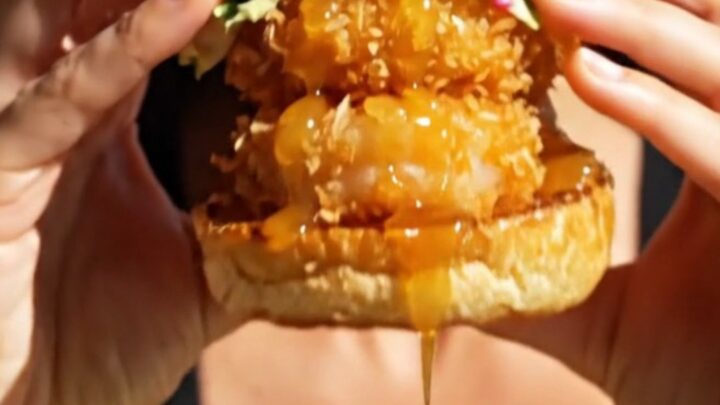
The sliders should be visually appealing, with the shrimp stacked securely on the toasted brioche bun and topped with a generous mound of the colorful slaw. The buns should be warm and slightly crisp on the inside.
Everything should be served immediately while the shrimp is still hot and the slaw remains crisp, ensuring the best possible texture and flavor combination for your guests.
Common mistakes
A common mistake is overcrowding the frying vessel, which causes the oil temperature to drop rapidly, leading to soggy, oily shrimp rather than a crispy, golden crust.
Another error is failing to dry the shrimp thoroughly before dredging, which prevents the flour and egg from adhering properly. Finally, avoid using too much habanero if the heat level is a concern, as the spice intensifies as the slaw sits, potentially overpowering the sweetness of the mango.
How to tell it’s done
The shrimp are perfectly done when the coating is a deep, uniform golden brown and the internal temperature has reached at least 145°F (63°C). The flesh should be opaque and firm, not rubbery.
Using a digital meat thermometer ensures accuracy, as overcooking will cause the shrimp to toughen and the delicate coconut coating to potentially burn. Always check the thickest part of the shrimp to ensure it is cooked through safely.
- Shellfish: 145°F (63°C) in the thickest part
Up next · Part 3 of 3
2 variations · storage & make-ahead · 3 answers · printable card
Tips, FAQ & printable recipe (Part 3)← Back to the ingredients (Part 1)