Dinner · Part 2 of 3: Instructions
Crispy Coconut Mahi-Mahi Bites with Mango Habanero Dip Step-by-step instructions
- Prep
- Cook
- Total
- Serves
- 4
Before you start
Before starting, ensure all your ingredients are measured and ready, as the frying process moves very quickly. Set up a breading station with three shallow bowls: one for the coconut milk, and one for the coconut-panko mixture.
Pat the fish cubes dry with paper towels before seasoning to ensure the lime juice and spices adhere properly. Prepare a wire rack or a plate lined with paper towels to drain the finished fish bites immediately after they come out of the hot oil.
Ingredients at a glance (8)
- 1.5 lb fresh Mahi-Mahi fillet, cut into 1.5-inch cubes
- 1 tbsp fresh lime juice
- 1 tbsp Cajun seasoning
- 1/2 cup canned coconut milk
- 3/4 cup shredded coconut
- 3/4 cup panko breadcrumbs
- 1/2 inch depth coconut oil for frying
- 1/2 cup mango habanero sauce, store-bought or made ahead
Instructions
Seasoning the Fish
- Prepare the FishCut the Mahi-Mahi into uniform 1.5-inch cubes. Place the cubes in a bowl and toss them with the lime juice and Cajun seasoning until evenly coated. Keep the fish refrigerated until ready to proceed to the breading stage to ensure food safety.Look for Fish pieces should be even in size and fully coated in seasoning.Tip Cut the fish while it is cold to get cleaner, more uniform cubes.
The fish cubes should be evenly seasoned and fragrant from the Cajun spices. The lime juice should have just barely begun to penetrate the surface. Ensure the fish is kept chilled until the very last moment to maintain optimal freshness before the breading process begins.
Breading the Bites
- Bread the BitesCombine the shredded coconut and panko in a shallow dish. Dip each seasoned fish cube into the coconut milk to coat, then press firmly into the coconut-panko mixture to ensure a thick, even crust. Place the breaded bites on a clean plate.Look for The fish should be completely covered in a thick layer of the coconut-panko crust.Tip Use one hand for wet ingredients and the other for dry to prevent messy buildup.
Each fish cube must be completely encased in the coconut-panko mixture. Look for an even, thick coating with no bald spots. The bites should feel firm and hold their shape when handled, ensuring they are ready for the hot oil and will result in a uniform, crunchy exterior.
Frying the Fish
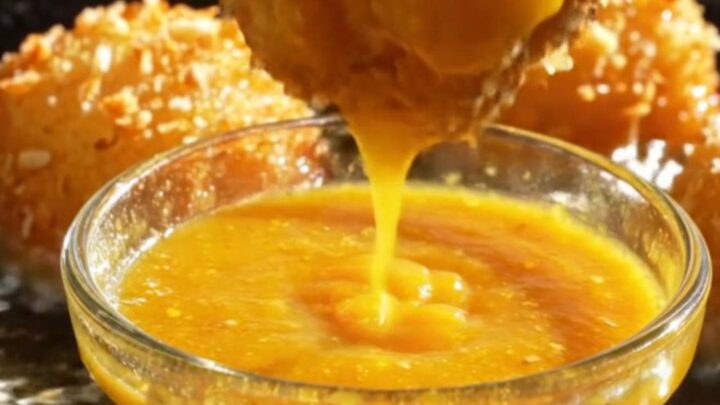
- Pan-Fry the FishHeat the coconut oil in a cast-iron skillet over medium-high heat until it reaches 365°F (185°C). Carefully place the fish bites in the oil in batches. Fry for 2 minutes per side until the crust is deep golden brown and the internal temperature reaches 145°F (63°C). Serve with the mango habanero sauce. Drain on paper towels.Look for The crust should be crunchy and golden brown, and the fish should flake easily with a fork.Safe temperature 145°F (63°C) internal temperature (fish)Tip Do not overcrowd the pan, as this lowers the oil temperature and leads to greasy fish.
The bites should sizzle immediately upon hitting the oil. The crust will transform into a deep, toasted golden brown color. Once the internal temperature hits 145°F (63°C), the bites are ready to be removed from the heat and drained of any excess oil for maximum crunchiness.
Common mistakes
A common mistake is overcrowding the skillet, which causes the oil temperature to drop rapidly and leads to a greasy, soggy crust rather than a crunchy one.
Another error is failing to press the coconut-panko mixture firmly onto the fish, which can cause the coating to fall off during frying.
Finally, avoid frying at too low a temperature; if the oil is not hot enough, the fish will absorb too much fat before the crust has a chance to crisp up.
How to tell it’s done
The fish is perfectly done when the coconut-panko crust is deep golden brown and crunchy, and the fish inside is opaque and flakes easily when tested with a fork.
Use an instant-read thermometer to check that the internal temperature has reached at least 145°F (63°C). This temperature ensures the fish is cooked through and safe to consume while remaining succulent and moist.
- Fish: 145°F (63°C) in the thickest part
Up next · Part 3 of 3
2 variations · storage & make-ahead · 3 answers · printable card
Tips, FAQ & printable recipe (Part 3)← Back to the ingredients (Part 1)