Dinner · Part 1 of 3: Ingredients
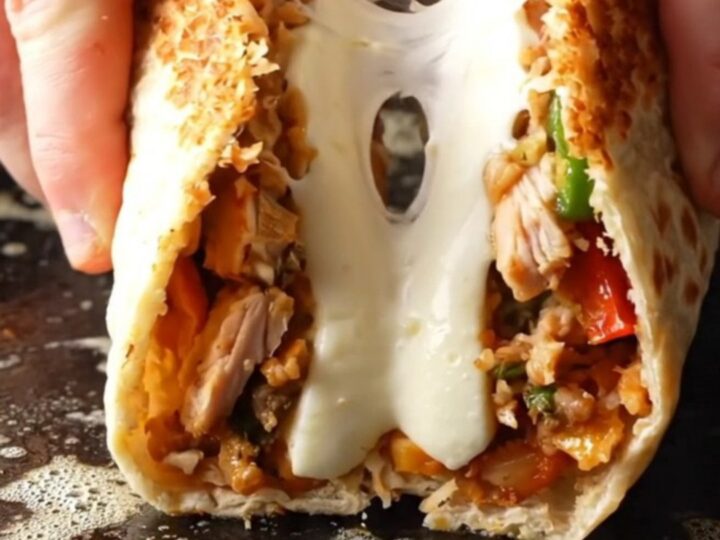
Crispy Chicken Philly Cheesesteak Wrap with Melted Provolone
- Prep
- Cook
- Total
- Serves
- 4
This chicken Philly cheesesteak wrap brings together everything you love about the classic sandwich — tender seared chicken, sweet caramelized peppers and onions, and a double dose of melted provolone and mozzarella — all tucked into a crispy golden tortilla.
It's a hearty, satisfying dinner that comes together quickly in one skillet. The contrast of the crunchy exterior and the gooey, cheesy interior makes every bite irresistible. Perfect for busy weeknights or game day, this wrap is sure to become a family favorite.
A Philly cheesesteak is iconic, but wrapping it in a flour tortilla takes it to a whole new level. The chicken is seared until deeply caramelized, then smothered in melted cheese and rolled up tight.
Toasting the wrap in a buttered skillet gives it a satisfying crunch that contrasts beautifully with the molten filling. This recipe uses simple ingredients and one skillet, making it an easy weeknight dinner that feels special. Serve it whole or sliced in half to show off that incredible cheese pull.
Ingredients
- 2 lb boneless skinless chicken thighs and breasts, thinly sliced
- 4 tbsp butter, divided
- 2 bell peppers, sliced
- 1 large yellow onion, sliced
- 1 tsp garlic powder
- 1 tsp salt
- 1/2 tsp black pepper
- 8 slices provolone cheese
- 1 cup shredded mozzarella cheese
- 4 large flour tortillas (burrito-size)
- 1/2 cup garlic mayo
Why this recipe works
Searing the chicken in butter builds a rich, savory flavor base. Cooking it in a hot skillet creates a golden crust on the outside while keeping the inside tender and juicy. The caramelization adds depth that you can't get from boiling or steaming. This step is the foundation of the dish, so don't rush it.
Melting the cheese directly over the hot chicken and vegetables creates a creamy, cohesive filling. The combination of provolone and mozzarella gives both sharpness and stretch.
Toasting the assembled wrap in a buttered skillet adds a crisp, golden exterior that contrasts with the soft, gooey center. This textural contrast is what makes the wrap so satisfying.
Notes and substitutions
Use boneless, skinless chicken thighs for the juiciest results, or a mix of thighs and breasts as shown. Thinly slicing the chicken helps it cook quickly and evenly.
Bell peppers and yellow onion are classic, but any color pepper works. Garlic powder adds a savory note without the harshness of fresh garlic, which could burn during searing.
Burrito-size flour tortillas are essential for holding the filling without tearing. Garlic mayo adds a creamy, tangy layer that complements the rich cheese. If you don't have garlic mayo, mix 1/2 cup mayo with a minced garlic clove and a pinch of salt. The filling can be made ahead and stored in the fridge for up to 3 days.
- chicken thighs and breasts: Use all chicken breasts or all thighs; thighs stay juicier, breasts cook faster.
- provolone: Use white American cheese or cheddar for a different melt and flavor.
- garlic mayo: Mix 1/2 cup mayo with 1 clove minced garlic and a pinch of salt.
- flour tortillas: Use low-carb or whole wheat tortillas if preferred; adjust toasting time as needed.
Equipment
- Large skillet
- Spatula
- Cutting board
- Chef's knife
Up next · Part 2 of 3
8 steps · 20 min of cooking · what to look for at each stage
Step-by-step instructions (Part 2)