Dinner · Part 1 of 3: Ingredients
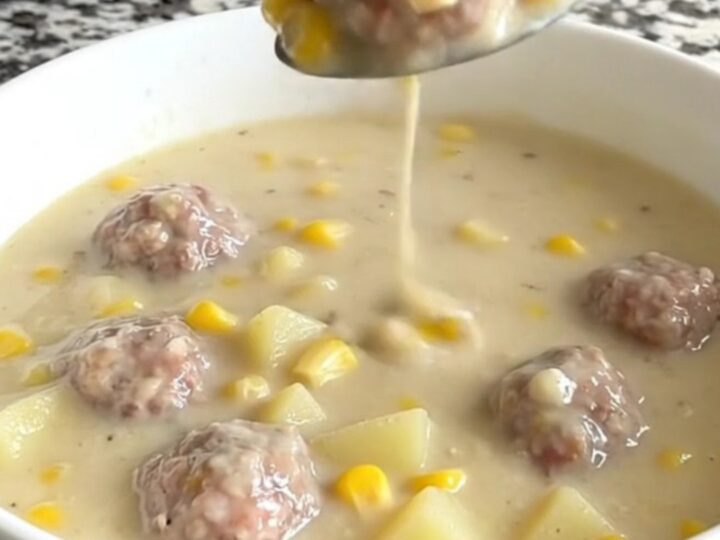
Creamy Turkey Meatball Corn Chowder
- Prep
- Cook
- Total
- Serves
- 6
Transforming simple pantry staples into a restaurant-quality meal is easier than you think with this slow cooker turkey meatball corn chowder. This recipe relies on the gentle, even heat of a slow cooker to meld the earthy thyme, sweet corn, and savory meatballs into a cohesive, creamy dish that warms the soul. It is the perfect solution for busy weeknights when you want a homemade dinner without spending hours in the kitchen standing over a hot stove.
There is something undeniably satisfying about a thick, creamy chowder, especially when it is prepared with vegetables. This version uses frozen, precooked turkey meatballs to save significant prep time while providing a hearty, meaty texture that pairs perfectly with tender gold potatoes and sweet corn.
By whisking the cream cheese directly into the broth before cooking, the chowder develops a velvety richness that coats every bite. It is a straightforward, no-fuss approach to a classic comfort food that delivers consistent results every time, making it a reliable addition to any home cook's repertoire.
Ingredients
Main
- 1 lb frozen precooked turkey meatballs
- 2 cups corn kernels
- 3 cups gold potato cubes
Seasoning
- 1 tsp garlic powder
- 1 tsp dried thyme
Liquid
- 3 cups chicken broth
- 8 oz cream cheese
Why this recipe works
The slow cooking method is ideal for this chowder because it allows the flavors of the thyme and garlic to infuse deeply into the potatoes and corn. Unlike stovetop methods that require constant stirring to prevent scorching, the slow cooker maintains a steady, low temperature that gently cooks the ingredients until they are perfectly tender.
This process also helps the cream cheese emulsify into the chicken broth, creating a luxurious, thick base that clings to the meatballs without separating, resulting in a perfectly balanced texture that feels indulgent yet remains accessible for any skill level.
Another advantage of this method is the use of pre-cooked meatballs, which provide a reliable protein source that does not require searing or browning before adding to the pot. Because the meatballs are already fully cooked, the slow cooker time is focused entirely on tenderizing the gold potatoes and allowing the starch from the potatoes to naturally thicken the broth. This efficiency ensures that the chowder is ready to serve with minimal effort, providing a robust, filling meal that is ideal for family dinners where time is limited but quality is paramount.
Notes and substitutions
When selecting ingredients, opt for high-quality frozen turkey meatballs that do not contain heavy breading or overly processed fillers, as these will hold their shape better during the four-hour cook time.
Gold potatoes are the preferred choice here because they possess a waxy texture that maintains its integrity when slow-cooked, whereas starchy potatoes like Russets might dissolve too much, changing the intended consistency of the chowder. Always ensure the chicken broth is low-sodium if possible, as this allows for better control over the final saltiness of the dish, especially since meatballs often contain their own seasonings.
Regarding equipment, a standard 5-to-6-quart oval slow cooker is ideal for this recipe, as it provides enough surface area for the ingredients to cook evenly without being overcrowded. If the cream cheese is not fully incorporated into the broth initially, do not worry; the heat will soften it during the cooking cycle.
A sturdy whisk is essential for the liquid mixture to ensure there are no lumps of cream cheese, which helps achieve that signature creamy consistency. Always double-check the internal temperature of the meatballs before serving to guarantee they are heated through to the proper safety standards.
- Turkey meatballs: Chicken or pork meatballs can be substituted if preferred.
- Gold potatoes: Russet potatoes work well, though they may break down more during the long cook time.
Equipment
- Slow cooker
- Whisk
- Mixing bowl
- Measuring cups
- Measuring spoons
- Ladle
Up next · Part 2 of 3
3 steps · 4 h of cooking · what to look for at each stage
Step-by-step instructions (Part 2)