Dinner · Part 2 of 3: Instructions
Creamy Steak Spaghetti with Zucchini Step-by-step instructions
- Prep
- Cook
- Total
- Serves
- 4
Before you start
Before starting the cooking process, organize all ingredients and tools to ensure a smooth workflow. Cut the beef into uniform one-inch cubes and pat them dry with paper towels. Slice the zucchini into thin half-moons or rounds of equal thickness.
Grate the parmesan cheese finely from a fresh block. Bring a large pot of salted water to a rolling boil for the spaghetti. Having everything prepped and measured beforehand prevents the steak from overcooking while waiting for the sauce ingredients to be added.
Ingredients at a glance (7)
- 8 oz spaghetti
- 1 lb steak cubes, cut into 1-inch pieces
- 2 tbsp butter
- 1 cup heavy cream
- 1/2 cup grated parmesan cheese
- 1 sliced zucchini
- 1 tsp parsley flakes
Instructions
Boiling the Spaghetti
- Boil the SpaghettiBring a large pot of salted water to a rolling boil. Add the spaghetti and cook according to the package instructions until al dente, which typically takes about eight to ten minutes. Reserve one cup of the starchy pasta water, then drain the spaghetti and set it aside.Look for The pasta should be tender but still offer a slight resistance in the center when bitten.Tip Always salt the boiling water generously to season the pasta from the inside out.
At the end of this phase, the spaghetti should be cooked to a perfect al dente state, meaning it still has a slight firmness when bitten. The boiling water will smell lightly of wheat, and the pasta strands will be flexible and slippery.
Be sure to reserve a cup of the starchy cooking water before draining the pasta, as this liquid is crucial for adjusting the final consistency of the cheese sauce.
Searing the Steak
- Sear the SteakMelt the butter in a large skillet over medium-high heat. Add the steak cubes in a single layer, ensuring they do not crowd the pan. Sear the beef for about two to three minutes per side until a rich, golden-brown crust forms and the internal temperature reaches at least 145°F (63°C). Remove the steak from the skillet and let the meat rest at least 3 minutes on a plate.Look for A deep, golden-brown crust should develop on the exterior of the steak cubes.Safe temperature 145°F (63°C) internal temperature (steaks, chops and roasts)Tip Do not move the steak cubes immediately after adding them to the pan to allow a proper crust to form.
The kitchen will be filled with the rich, savory aroma of browning butter and searing beef. The steak cubes should display a deep, golden-brown crust on all sides while remaining tender. Sizzling sounds will be loud and active in the pan. Check that the internal temperature of the largest steak cube has reached a safe 145°F (63°C) before transferring the meat to a warm plate to rest.
Simmering the Sauce and Assembly
- Simmer the Cream SauceReduce the heat to medium and add the heavy cream, grated parmesan cheese, and sliced zucchini directly into the same skillet, scraping up any browned bits from the bottom. Simmer gently for three to five minutes, stirring frequently, until the zucchini is tender-crisp and the sauce has thickened into a glossy, velvety consistency.Look for The cream sauce should bubble gently and become thick enough to coat the back of a spoon.Tip Keep the heat at a gentle simmer to prevent the cream and parmesan from separating or burning.
- Toss and ServeAdd the cooked spaghetti and the rested steak cubes back into the skillet with the sauce. Toss everything together over low heat for one minute until the pasta is thoroughly coated and heated through. If the sauce is too thick, splash in a little of the reserved pasta water. Garnish with parsley flakes and serve immediately.Look for The glossy cheese sauce should coat every single strand of spaghetti evenly.Tip The starchy pasta water helps emulsify the sauce and keeps it perfectly silky.
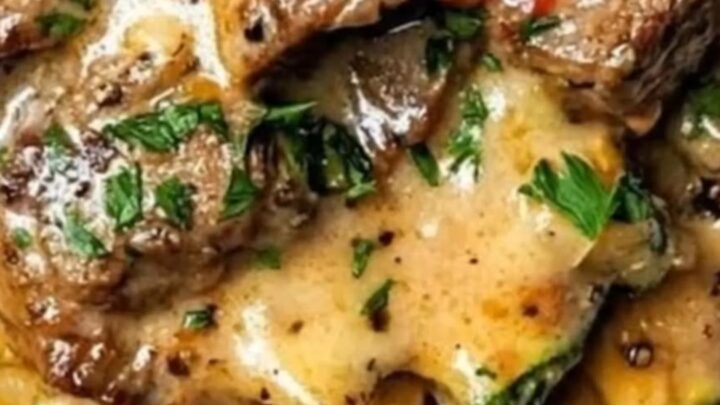
The heavy cream, parmesan, and zucchini will have simmered down into a thick, bubbling, and glossy sauce that coats the back of a spoon. The zucchini slices will appear tender and vibrant green. Once the spaghetti and rested steak are tossed back into the pan, the glossy cheese sauce should coat every single strand evenly, creating a unified, steaming dish ready for the final parsley garnish.
Common mistakes
One common mistake is overcrowding the pan when searing the steak cubes. If too many pieces are crowded together, they will release moisture and steam instead of searing, resulting in gray, tough meat without a flavorful crust. Cook the steak in batches if necessary.
Another frequent error is allowing the cream sauce to boil rapidly after adding the parmesan cheese. High heat can cause the dairy to split and the cheese to clump, turning a velvety sauce greasy and separated. Keep the heat at a gentle simmer.
How to tell it’s done
The steak is perfectly cooked when it reaches an internal temperature of 145°F (63°C) on a meat thermometer, followed by a mandatory rest of at least three minutes to lock in the savory juices.
The pasta is done when it is al dente, offering a clean bite without being mushy. The sauce achieves ideal doneness when it thickens enough to coat a spoon smoothly, and the zucchini is tender-crisp, holding its shape without turning mushy or watery.
- Steaks, chops and roasts: 145°F (63°C) in the thickest part, then a 3-minute rest
Up next · Part 3 of 3
2 variations · storage & make-ahead · 3 answers · printable card
Tips, FAQ & printable recipe (Part 3)← Back to the ingredients (Part 1)