Dinner · Part 2 of 3: Instructions
Creamy Steak and Zucchini Spaghetti for a Quick Dinner Step-by-step instructions
- Prep
- Cook
- Total
- Serves
- 4
Before you start
Before starting the cooking process, ensure all ingredients are prepped and ready for use. Take the steak out of the refrigerator at most 30 minutes before cooking to allow the chill to dissipate, which helps achieve a better sear.
Cut the steak into uniform 1-inch cubes and slice the zucchini into consistent rounds or half-moons. Grate the parmesan cheese finely so it melts quickly. Having everything measured and chopped makes the cooking process smooth, efficient, and stress-free.
Ingredients at a glance (4)
- 1 lb steak, cut into cubes
- 1 lb spaghetti
- 2 medium zucchini, sliced
- 1 cup parmesan cheese, grated
Instructions
Searing and Sautéing
- Sear the steak and cook zucchiniHeat a large cast-iron skillet over medium-high heat. Add the cubed steak and sear until browned on all sides. Add the sliced zucchini to the skillet and cook until the steak reaches an internal temperature of 145°F (63°C) and the zucchini is tender-crisp. Remove the skillet from heat and let the steak rest for at least 3 minutes.Look for The steak should develop a deep brown crust and the zucchini should be bright green and slightly softened.Safe temperature 145°F (63°C) internal temperature (steaks, chops and roasts)Tip Do not crowd the pan to ensure the steak sears properly rather than steaming in its own juices.
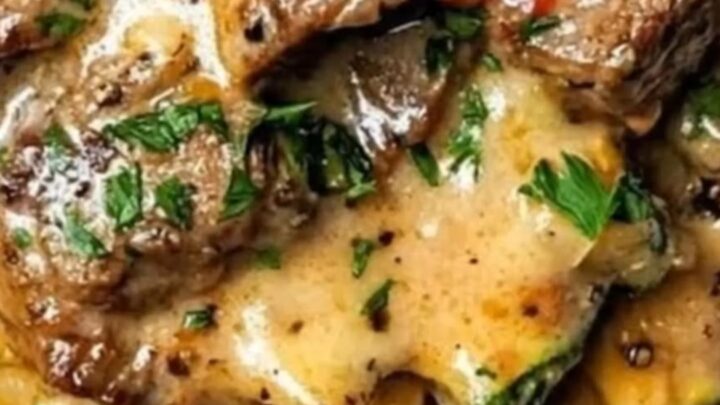
At the end of this phase, the steak cubes should be deeply browned on all sides, and the zucchini should be slightly softened while still maintaining a vibrant green color.
The kitchen should smell savory and aromatic, with the scent of seared beef and fresh vegetables filling the air. Ensure the steak is cooked through to the required internal temperature of 145°F (63°C) and rested before proceeding to ensure safety and optimal texture.
Boiling the Pasta
- Prepare the pastaWhile the steak is cooking, bring a large pot of salted water to a boil. Add the spaghetti and cook according to the package directions until al dente. Drain the pasta, reserving a small amount of the starchy cooking water to help adjust the consistency of the sauce later if needed.Look for The pasta should be firm to the bite, known as al dente, which ensures it maintains texture when tossed with sauce.Tip Adding salt to the pasta water significantly enhances the flavor of the final dish.
The spaghetti is ready when it has reached an al dente texture, meaning it is cooked through but still offers a firm bite. Ensure the water is well-salted to season the pasta from the inside out. Once drained, the pasta should be slightly moist but not dripping wet. If you are not adding it to the sauce immediately, toss it with a tiny bit of cooking water to prevent clumping.
Creating the Sauce
- Combine and emulsify the sauceReturn the skillet with the steak and zucchini to low heat. Stir in the grated parmesan cheese until the sauce thickens and becomes glossy. Toss in the cooked spaghetti, coating every strand thoroughly with the mixture. Adjust the thickness with a splash of pasta water if desired and serve immediately.Look for The sauce should coat the back of a spoon and appear smooth and glossy without breaking or separating.Tip Use freshly grated parmesan for the best melting properties and flavor intensity in the sauce.
The final sauce should be thick, glossy, and perfectly balanced, clinging to every strand of spaghetti. The parmesan should be completely melted to create a luxurious consistency. The entire dish should be steaming hot and ready to serve immediately. Check that the flavor is balanced and adjust with a pinch of seasoning if necessary before plating.
Common mistakes
A common mistake is overcrowding the skillet, which causes the steak to steam rather than sear, resulting in a grey, unappealing color. Another frequent error is using heat that is too high when adding the cheese, which can cause the sauce to break or the cheese to become stringy.
Always reduce the heat to low before adding the parmesan to maintain a smooth, emulsified texture. Finally, avoid overcooking the pasta, as it will continue to soften slightly when tossed in the hot sauce.
How to tell it’s done
The steak is perfectly done when it reaches an internal temperature of 145°F (63°C), which corresponds to medium-rare or medium depending on your preference. Use a meat thermometer to check the largest piece of steak in the skillet, and allow it to rest for at least 3 minutes.
The zucchini should be tender but still retain a slight crispness when pierced with a fork. The sauce is ready when it is thick enough to coat the back of a spoon and clings to the pasta without pooling at the bottom of the skillet.
- Steaks, chops and roasts: 145°F (63°C) in the thickest part, then a 3-minute rest
Up next · Part 3 of 3
2 variations · storage & make-ahead · 3 answers · printable card
Tips, FAQ & printable recipe (Part 3)← Back to the ingredients (Part 1)