Dinner · Part 2 of 3: Instructions
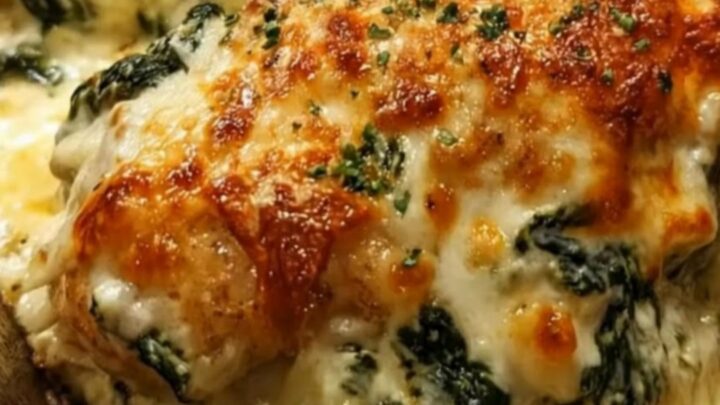
Creamy Spinach and Mozzarella Stuffed Chicken Step-by-step instructions
- Prep
- Cook
- Total
- Serves
- 4
Before you start
Before beginning, ensure your chicken breasts are thoroughly dried with paper towels, as moisture on the surface prevents a proper sear. Chop the fresh spinach into fine pieces so it incorporates evenly with the cheese.
Have your skillet, a meat mallet, and a reliable meat thermometer ready. It is important to have the oven preheated to 375°F (190°C) before you start cooking the chicken on the stovetop, as the transition should be quick to maintain the heat within the skillet for the best results.
Ingredients at a glance (4)
- 4 pieces boneless skinless chicken breasts
- 2 cups fresh baby spinach, chopped
- 1 cup shredded mozzarella cheese
- 2 tbsp cooking fat
Instructions
Preparation and Filling
- Prepare the ChickenUsing a sharp knife, carefully slice a pocket into the thickest part of each chicken breast, taking care not to cut all the way through to the other side. If the breasts are uneven, use a meat mallet to gently pound them to an even thickness for consistent cooking.Look for A pocket is created in each breast.Tip Keep the opening small to prevent the filling from leaking out during the cooking process.
At the end of this phase, each chicken breast should have a clean pocket ready for the filling. The spinach and cheese mixture should be well-combined and ready to be inserted. Ensure that the pocket is not cut through to the other side to prevent leakage. The chicken should be seasoned on the outside if desired, and the oven should be fully preheated to the correct temperature before you proceed to the searing stage.
Searing the Exterior
- Fill and SearCombine the chopped spinach and mozzarella in a small bowl. Stuff each chicken pocket generously with the mixture. Heat the cooking fat in a large skillet over medium-high heat. Place the stuffed chicken in the pan and sear until golden brown on both sides.Look for The exterior is golden brown.Tip Use toothpicks to secure the opening if you are worried about the cheese escaping.
The chicken should now have a beautiful, golden-brown crust on both sides. The searing process should be quick, focusing only on the color and texture of the skin. Check that the chicken is not sticking to the pan before flipping.
At this point, the chicken will still be raw in the center, which is expected as the final cooking will take place in the oven. Ensure the skillet is clean enough to transfer directly to the oven.
Oven Finishing
- Finish CookingTransfer the skillet to a preheated oven at 375°F (190°C) and bake until the center of the chicken reaches an internal temperature of 165°F (74°C). Remove from the oven and let the chicken rest for at least 5 minutes before serving to ensure the juices redistribute.Look for Chicken is opaque and juices run clear.Safe temperature 165°F (74°C) internal temperature (poultry)Tip Always use a meat thermometer inserted into the thickest part of the meat to verify the internal temperature.
The chicken is finished when it is cooked through and the cheese inside is bubbly and fully melted. The internal temperature of the chicken must reach 165°F (74°C). The meat should be firm, and the crust should remain intact. Before serving, let the dish rest for at least 5 minutes. This ensures the filling stays creamy and the meat remains juicy when sliced, providing the perfect texture and flavor for your meal.
Common mistakes
A common mistake is overstuffing the chicken, which often leads to the filling spilling out into the pan during the searing process. Keep the filling to a reasonable amount, about two tablespoons per breast, to ensure the pocket can be sealed properly.
Another frequent error is using a pan that is not hot enough, which results in the chicken steaming rather than searing. Always ensure the fat is shimmering before adding the meat, and avoid overcrowding the skillet to maintain consistent heat and achieve that perfect golden color.
How to tell it’s done
The chicken is perfectly cooked when the exterior is a deep golden brown and the internal temperature reaches 165°F (74°C). When testing for doneness, insert the thermometer into the thickest part of the breast, avoiding the pocket of cheese, to get an accurate reading of the meat itself.
The chicken should feel firm to the touch, and the juices should run clear. Allowing the meat to rest for 5 minutes is crucial, as it allows the internal temperature to stabilize and ensures the juices remain inside.
- Poultry: 165°F (74°C) in the thickest part
Up next · Part 3 of 3
2 variations · storage & make-ahead · 3 answers · printable card
Tips, FAQ & printable recipe (Part 3)← Back to the ingredients (Part 1)