Dinner · Part 3 of 3: Tips & recipe card
Creamy Smothered Chicken and Rice Tips, FAQ & printable recipe

- Prep
- Cook
- Total
- Serves
- 4
Tips for success
For a deeper flavor, you can add a small amount of minced garlic or shallots to the skillet after searing the chicken, sautéing them briefly before adding the flour.
This adds an extra layer of complexity to the gravy. Be mindful to keep the heat at a medium level during this addition to prevent the garlic from burning, which can turn the sauce bitter.
If you prefer a lighter gravy, you can substitute a portion of the heavy cream with chicken stock. While the texture will be slightly less rich, the flavor will remain excellent.
Always taste the sauce before adding the chicken back to ensure the seasoning is to your liking, as the reduction of the sauce can concentrate the flavors significantly.
Variations
- Mushroom Smothered Chicken: Add sliced mushrooms to the skillet after searing the chicken and sauté until browned before adding the flour. The earthy flavor of the mushrooms pairs perfectly with the creamy herb sauce.
- Spicy Smothered Chicken: Incorporate a teaspoon of smoked paprika or a pinch of cayenne pepper into the flour mixture. This adds a subtle warmth and depth that cuts through the richness of the cream.
Storage and make-ahead
- Fridge
- Store in the refrigerator for up to 3 days in an airtight container.
- Freezer
- Freezing is not recommended as the cream-based sauce may separate upon thawing.
- Reheat
- Reheat gently in a skillet over low heat, adding a splash of water or cream to restore the sauce consistency.
Store any leftovers in an airtight container in the refrigerator for up to 3 days. When storing, it is best to keep the chicken and gravy mixture separate from the rice if possible to prevent the rice from becoming overly soft or mushy, though they can be stored together if necessary for convenience.
The chicken can be seared and the gravy prepared in advance, but for the best texture, keep them separate and combine them just before reheating. The gravy may thicken significantly in the fridge, so add a tablespoon or two of water or broth when reheating to bring it back to its original, velvety consistency.
Serving ideas
Serve the smothered chicken hot, ladled generously over a bed of fluffy white rice. The rice acts as a perfect base to absorb the creamy herb gravy, ensuring every bite is flavorful.
Consider serving with a side of steamed vegetables like broccoli or green beans to provide a fresh contrast to the richness of the creamy sauce.
For a complete meal presentation, garnish the dish with a sprinkle of fresh chopped parsley or chives. The bright green color provides a beautiful contrast to the golden chicken and creamy sauce.
Ensure each serving gets an equal portion of the sauce to guarantee that the rice is adequately moistened and the flavor is balanced throughout the plate.
Frequently asked questions
Can other types of herbs be used in the gravy?
What happens if the sauce becomes too thick?
Is it possible to use chicken breasts instead of thighs?
Creamy Smothered Chicken and Rice

Ingredients
- 1 1/2 lb chicken thighs, cut into bite-sized pieces
- 2 cups steamed white rice
Instructions
- Place the chicken pieces in a large skillet over medium-high heat. Sear the chicken until golden brown on all sides and cooked through to an internal temperature of 165°F (74°C). Remove the chicken from the skillet and let it rest for at least 5 minutes.
- In the same skillet used for the chicken, prepare the creamy herb gravy by simmering the sauce base until it reaches a thick, velvety consistency that coats the back of a spoon.
- Return the seared chicken to the skillet and toss gently until every piece is thoroughly drenched in the creamy herb gravy. Serve the chicken and sauce immediately over a warm bed of steamed white rice.
Estimated nutrition per serving
- Calories
- 580
- Protein
- 32 g
- Carbohydrates
- 35 g
- Fat
- 34 g
Next recipe

Creamy Parmesan Chicken and Rice for a Quick Dinner
See the recipe → →This recipe is based on a short cooking video and is published under the pen name Clara Weller. It was checked before publication, but errors can slip through. Nutrition, when shown, is an estimate. Read more in our editorial policy and on our food safety page.
More recipes to try

Ultimate Crispy Patty Melt with Caramelized Onions
Total time: 45 min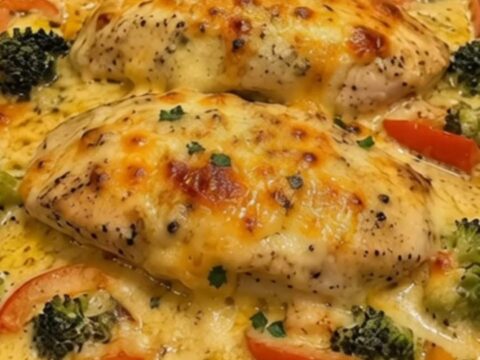
Creamy Chicken Bake with Melted Cheese and Vegetables
Total time: 50 min
Cheesy Stuffed Stromboli with Savory Pepperoni
Total time: 45 min
Bacon Cheeseburger Meatloaf with Melted Cheddar
Total time: 1 h 25 min
Creamy Broccoli, Chicken, and Rice Casserole
Total time: 1 h