Dinner · Part 3 of 3: Tips & recipe card
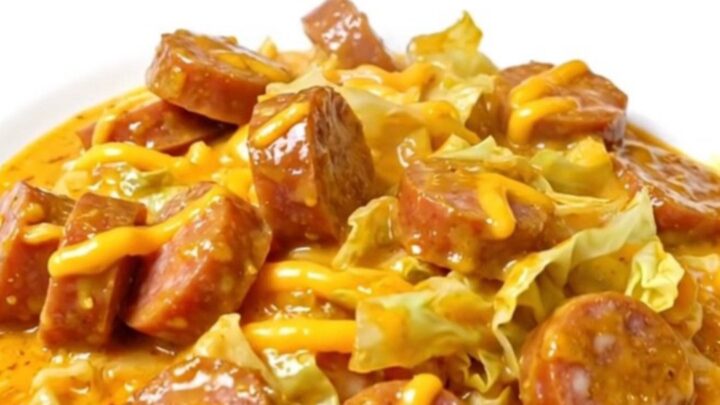
Creamy Slow Cooker Sausage and Cabbage Tips, FAQ & printable recipe
- Prep
- Cook
- Total
- Serves
- 4
Tips for success
For a slightly bolder flavor, consider adding a pinch of black pepper or red pepper flakes when layering the ingredients. These spices will infuse the creamy sauce as it cooks, providing a subtle heat that cuts through the richness of the cheddar and the condensed soup.
If you prefer a thicker sauce, you can remove the lid for the final thirty minutes of cooking. This allows some of the excess moisture to evaporate, resulting in a more concentrated and velvety texture. Always keep a close eye on the dish during this time to prevent the bottom from scorching.
Variations
- Spicy Sausage Version: Replace the standard smoked sausage with a spicy andouille or hot smoked sausage to add a kick of heat that complements the cabbage and creamy cheddar sauce.
- Vegetable Addition: Add two cups of sliced carrots or diced potatoes to the slow cooker along with the cabbage for a more substantial meal that includes extra root vegetables.
Storage and make-ahead
- Fridge
- Store in an airtight container for up to 3 days.
- Freezer
- Freeze in a freezer-safe container for up to 2 months.
- Reheat
- Reheat gently in a saucepan over medium-low heat or in the microwave, stirring occasionally until heated through.
Allow the leftovers to cool completely at room temperature for no more than two hours before transferring them to an airtight container.
Properly stored, the dish will maintain its quality for up to three days in the refrigerator. Ensure the container is sealed tightly to prevent the cabbage from absorbing other odors from the fridge.
This dish is excellent for making ahead, as the flavors often improve after sitting in the refrigerator overnight.
You can assemble the ingredients in the slow cooker insert the night before, cover it, and keep it in the refrigerator. Simply place the insert into the slow cooker base and start the cooking process in the morning.
Serving ideas
Serve this dish hot directly from the slow cooker for a casual family meal. It pairs beautifully with a side of crusty bread or soft dinner rolls, which are perfect for soaking up the creamy cheddar sauce.
A simple side salad with a sharp vinaigrette can also help balance the richness of the main course.
For a more polished presentation, ladle the sausage and cabbage into wide, shallow bowls. Garnish each serving with a small amount of extra shredded cheddar cheese or a sprinkle of fresh chopped parsley if desired.
The contrast between the vibrant green cabbage and the creamy sauce makes for a visually appealing, comforting bowl.
Frequently asked questions
Can this dish be made in a pressure cooker?
Why does the sauce look thin after cooking?
Is it possible to use fresh cream instead of canned soup?
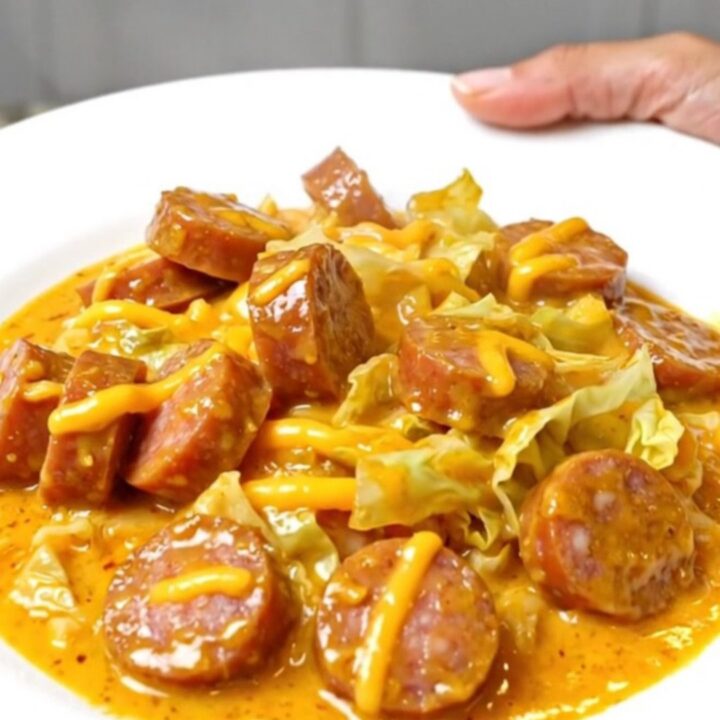
Creamy Slow Cooker Sausage and Cabbage
Ingredients
- 1 lb smoked sausage, sliced into thick coins
- 1 head green cabbage, chopped into bite-sized pieces
- 1 cup shredded cheddar cheese
- 1 can (10.5 oz) condensed cream of chicken soup
Instructions
- Arrange the sliced smoked sausage coins in an even layer at the bottom of the slow cooker ceramic insert to ensure direct contact with the base for even heating.
- Add the chopped green cabbage over the sausage layer. Follow this by sprinkling the shredded cheddar cheese evenly over the cabbage, then spoon the condensed cream of chicken soup over the top.
- Cover the slow cooker and cook on low for 4 hours until the cabbage is tender and the mixture reaches at least 165°F (74°C) to ensure the chicken soup and sausage are fully heated through. Stir everything together gently before serving to incorporate the creamy sauce.
Estimated nutrition per serving
- Calories
- 420
- Protein
- 18 g
- Carbohydrates
- 12 g
- Fat
- 32 g
- Fiber
- 4 g
- Sugar
- 6 g
- Sodium
- 950 mg
Next recipe

Crispy Onion Chicken and Rice Bake
See the recipe → →This recipe is based on a short cooking video and is published under the pen name Clara Weller. It was checked before publication, but errors can slip through. Nutrition, when shown, is an estimate. Read more in our editorial policy and on our food safety page.
More recipes to try
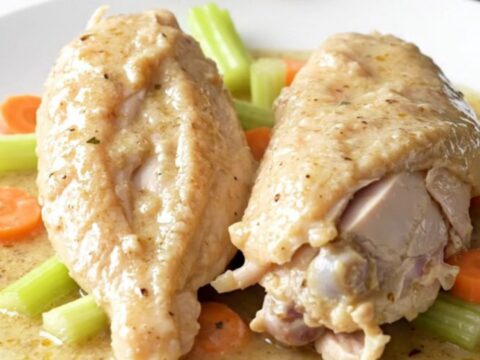
Creamy Three-Soup Slow Cooker Chicken
Total time: 4 h 15 min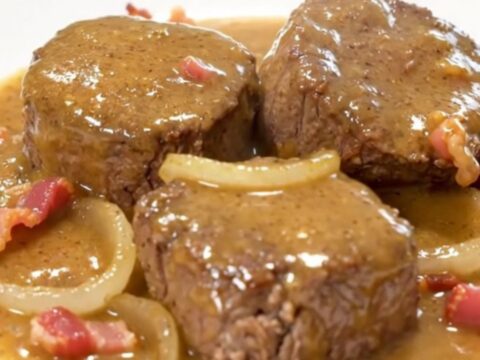
Slow Cooker Cube Steaks in Creamy Bacon Gravy
Total time: 6 h 15 min
Slow Cooker Southern Tomato Pie Chicken for an Easy Weeknight Dinner
Total time: 4 h 15 min
Ham and Cheddar Corn Pudding Casserole
Total time: 55 min
Slow Cooker Steakhouse Mushroom Chicken with Creamy Gravy
Total time: 4 h 15 min