Dinner · Part 2 of 3: Instructions
Creamy Slow Cooker Ham and Elbow Pasta Mornay Gratin Step-by-step instructions
- Prep
- Cook
- Total
- Serves
- 6
Before you start
Before beginning this recipe, ensure that the Mornay sauce is prepared and cooled slightly if it was made in advance. Gather all ingredients and measure them accurately to facilitate the assembly process.
Prepare the slow cooker by placing the ceramic insert into the base and ensuring it is connected to a power source. Having the diced ham ready and the pasta measured in advance makes the assembly step quick and efficient, allowing the slow cooker to start working immediately once everything is combined.
Ingredients at a glance (4)
- 1 lb elbow pasta, raw
- 1 cup diced ham
- 1/8 tsp ground nutmeg
- 2 cups Mornay sauce, made ahead
Instructions
Preparation and Assembly
- Combine IngredientsPlace the raw elbow pasta into the base of the slow cooker insert. Distribute the diced ham evenly over the pasta, ensuring it is well incorporated. Sprinkle the ground nutmeg over the mixture to provide a warm, aromatic flavor profile throughout the dish.Look for Pasta and ham are evenly distributed in the slow cooker base.Tip Ensure the pasta is spread in an even layer to help it cook consistently in the sauce.
At this phase, the raw pasta, diced ham, and nutmeg are layered in the slow cooker. Everything looks uniform and ready for the sauce. Ensure the pasta is spread evenly across the bottom to guarantee that all pieces are submerged once the liquid is added.
Double-check that no ingredients are stuck to the sides of the ceramic insert, as this can cause burning during the long cooking process. Once the sauce is poured, the ingredients are ready for the slow cooking phase to begin.
Slow Cooking
- Add Sauce and Slow CookPour the pre-made Mornay sauce over the pasta and ham mixture. Cover the slow cooker with its lid and cook on the low setting for approximately three hours. Monitor the consistency occasionally to ensure the sauce remains creamy and the pasta reaches the desired tenderness.Look for The sauce is bubbling gently and the pasta is tender.Tip If the sauce appears too thick during cooking, add a splash of milk or broth to loosen it.
During this phase, the slow cooker works to soften the pasta and heat the sauce. The kitchen will begin to smell savory and aromatic due to the nutmeg and ham. Check the dish halfway through to ensure the sauce is bubbling gently. If the mixture looks dry, add a tiny splash of milk. The goal is to reach a stage where the pasta is fully cooked through and the sauce has reached a velvety, thick consistency that holds everything together beautifully.
Final Resting and Serving
- Serve the GratinOnce the pasta is fully cooked and the flavors have melded, turn off the slow cooker. Allow the dish to rest for five minutes before serving. Portion the cheesy pasta onto plates and serve immediately while hot to maintain the best texture and creamy consistency.Look for The pasta is tender and the sauce is thick and coating.Tip Serve with a simple green side salad to balance the richness of the creamy sauce.
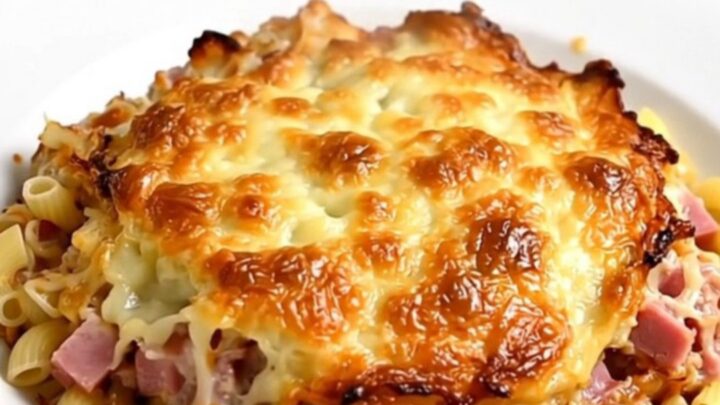
The final stage involves turning off the heat and allowing the gratin to rest for five minutes. This short rest allows the sauce to settle and thicken slightly, making it easier to serve. The pasta should look glossy and coated in the rich Mornay sauce. Check that the temperature is uniform throughout the dish. Once rested, the gratin is ready to be plated and served, presenting a golden, steaming, and comforting meal that is ready to be enjoyed immediately.
Common mistakes
Avoid overcooking the pasta, as it will continue to soften in the residual heat of the slow cooker. If the sauce appears too thin initially, do not panic, as it will thicken as the pasta starch releases during the cooking process.
Another common mistake is using too little sauce; ensure the pasta is well-coated to prevent drying out. Finally, refrain from opening the slow cooker lid too frequently, as this causes significant heat loss and extends the cooking time unnecessarily, which can lead to unevenly cooked noodles.
How to tell it’s done
The pasta is done when it is al dente, meaning it is tender but still retains a slight bite. The sauce should be thick, creamy, and clinging to the pasta, with no signs of separation or oiliness. The diced ham should be heated through and distributed evenly throughout the mixture.
Because this recipe does not contain raw proteins that require specific internal temperatures, focus on achieving the desired texture for the pasta and the perfect consistency for the Mornay sauce before serving.
Up next · Part 3 of 3
2 variations · storage & make-ahead · 3 answers · printable card
Tips, FAQ & printable recipe (Part 3)← Back to the ingredients (Part 1)