Dinner · Part 1 of 3: Ingredients
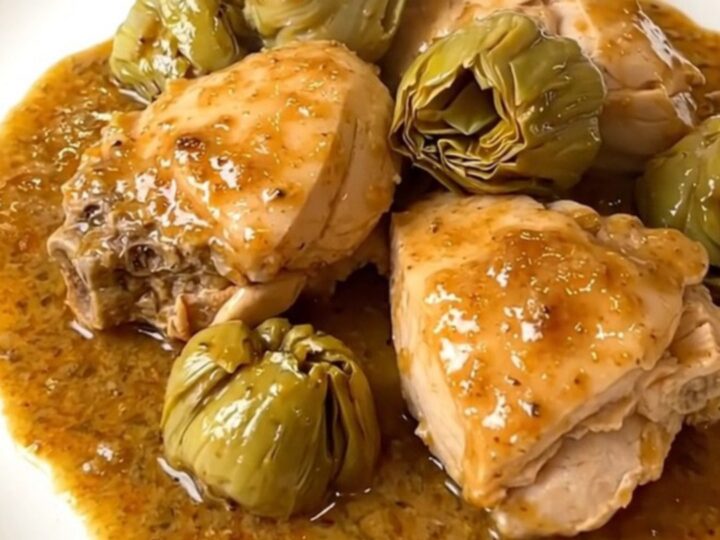
Creamy Slow Cooker Chicken with Jerusalem Artichokes
- Prep
- Cook
- Total
- Serves
- 4
Discover a sophisticated, creamy dinner that requires minimal effort. By combining tender chicken thighs with the unique, nutty flavor of Jerusalem artichokes, this slow cooker recipe creates a comforting meal that feels like it came from a French kitchen.
With just a handful of pantry staples and a few minutes of prep, the slow cooker does all the hard work, leaving you with a perfectly tender, aromatic dish ready to serve on any busy weeknight.
This recipe relies on the gentle, even heat of a slow cooker to transform simple ingredients into something truly special. Jerusalem artichokes, also known as sunchokes, offer a subtle sweetness and earthy undertone that complements the richness of heavy cream and savory chicken.
The shallots dissolve into the sauce during the long cooking process, adding depth and a mild onion flavor that ties the dish together. It is an ideal solution for those who want a homemade meal without spending hours standing over the stove, as the slow cooking process ensures the chicken remains moist and flavorful throughout.
Ingredients
- 4 pieces chicken thighs, skinless and boneless
- 1 lb Jerusalem artichokes, scrubbed and sliced
- 2 medium shallots, halved
- 1 tsp dried thyme
- 1 cube bouillon, crumbled
- 1 cup heavy cream
Why this recipe works
The slow cooker method is ideal for chicken thighs because it allows the meat to braise slowly in the cream and aromatics. This process breaks down the connective tissue, resulting in incredibly tender meat that easily shreds or slices. The gentle heat prevents the cream from boiling, which helps maintain a smooth, velvety texture in the sauce without the risk of curdling that often occurs with high-heat stovetop cooking.
Jerusalem artichokes have a firm, tuberous structure that holds up exceptionally well during extended cooking times. As they simmer alongside the shallots and bouillon, they absorb the savory liquids and release a slight starchiness that naturally thickens the cream sauce.
This creates a cohesive dish where the vegetables and protein are perfectly integrated, ensuring that every bite is packed with balanced flavor and a satisfying, creamy mouthfeel.
Notes and substitutions
When selecting Jerusalem artichokes, look for tubers that are firm to the touch with smooth, unblemished skin. Avoid any that appear shriveled or have soft spots, as these will not provide the desired texture. If the skins are very thin and clean, they can be left on after a thorough scrubbing, but peel them if you prefer a smoother texture for the final dish. Shallots should be firm and heavy for their size.
The choice of equipment is straightforward, as any standard oval or round slow cooker will work perfectly for this recipe. Ensure the lid fits securely to trap the moisture and heat inside.
If the sauce appears too thin after the cooking time is complete, remove the chicken and vegetables, then set the slow cooker to a higher heat setting or transfer the liquid to a pan to reduce it slightly before serving over the protein.
- Jerusalem artichokes: Parsnips or sliced potatoes provide a similar starchy texture if Jerusalem artichokes are unavailable.
- Heavy cream: Half-and-half may be used for a lighter sauce, though the final consistency will be thinner.
Equipment
- Slow cooker
- Chef's knife
- Cutting board
- Measuring cup
Up next · Part 2 of 3
3 steps · 4 h of cooking · what to look for at each stage
Step-by-step instructions (Part 2)