Dinner · Part 2 of 3: Instructions
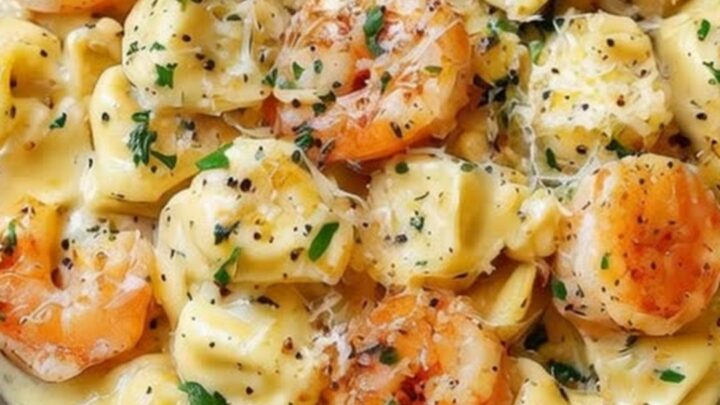
Creamy Shrimp and Cheese Tortellini Alfredo Step-by-step instructions
- Prep
- Cook
- Total
- Serves
- 4
Before you start
Before beginning, ensure that all ingredients are measured and ready to go, as the cooking process moves quickly. Peel and devein the shrimp completely, removing the tails if preferred, and pat them dry with paper towels to ensure a better sear in the skillet.
Have a large pot of water ready on the stove and keep a colander nearby for draining the pasta. Having everything prepped in advance allows for a smooth, stress-free cooking experience, ensuring that the pasta and sauce are ready to be combined at the optimal moment for serving.
Ingredients at a glance (3)
- 1 lb shrimp, peeled and deveined
- 18 oz cheese tortellini
- 1 1/2 cups alfredo sauce, store-bought or made ahead
Instructions
Searing the protein
- Prepare the pasta and shrimpBring a large pot of salted water to a boil and cook the cheese tortellini according to package directions until tender. Meanwhile, heat a large skillet over medium-high heat. Add the shrimp and sear until they are pink and opaque.Look for Shrimp should be opaque and curled.Safe temperature 145°F (63°C) internal temperature (shellfish)Tip Do not overcrowd the skillet to ensure a good sear.
The shrimp should be perfectly seared with a slight golden color on the outside, indicating that the heat was sufficient to develop flavor. The kitchen should smell savory, and the shrimp should be firm to the touch. Ensure they have reached the required internal temperature of 145°F (63°C) before proceeding to add the sauce, as this ensures both safety and the best possible texture for the final dish.
Creating the creamy base
- Combine with sauceReduce the skillet heat to low. Pour the alfredo sauce over the seared shrimp and stir gently to combine. Allow the sauce to warm through thoroughly, ensuring it reaches a gentle simmer without boiling excessively, which could cause the dairy to separate.Look for Sauce should be hot and glossy.Tip Add a splash of pasta water if the sauce is too thick.
The sauce should be smooth, glossy, and heated through without any signs of separation or bubbling. It should coat the shrimp evenly and have a consistent, velvety appearance.
Check that the flavor is well-distributed and the sauce is warm enough to coat the tortellini effectively. The consistency should be thick enough to cling to the pasta, providing a rich mouthfeel that characterizes a successful alfredo preparation.
Final assembly
- Assemble and serveDrain the cooked tortellini and add them directly into the skillet with the creamy shrimp mixture. Toss everything together until the pasta is well-coated in the sauce. Serve immediately while hot, ensuring each portion has an even distribution of shrimp and pasta.Look for Pasta is fully coated in creamy sauce.Tip Serve in warmed bowls to keep the sauce creamy longer.
The final dish should be a cohesive mixture where the pasta is fully integrated with the shrimp and sauce. The tortellini should be coated in a thick, creamy layer, and the entire dish should be steaming hot. Before serving, verify that the pasta is cooked to the desired tenderness and that the shrimp are evenly distributed, making every bite a balanced combination of flavors and textures that is ready to be plated.
Common mistakes
A common mistake is overcrowding the skillet when searing the shrimp, which leads to steaming instead of browning. This results in a lack of flavor and a less appealing texture. Another error is boiling the alfredo sauce too vigorously; because it is dairy-based, high heat can cause the sauce to separate or become grainy.
Keep the heat low once the sauce is added to maintain its silky, smooth consistency. Finally, ensure the pasta is not overcooked in the water, as it will continue to soften slightly when tossed in the hot sauce.
How to tell it’s done
The shrimp are done when they have turned opaque and pink, reaching an internal temperature of 145°F (63°C). The tortellini should be tender but still retain a slight chew, often referred to as al dente.
When the sauce is warm and coats the back of a spoon, the dish is ready. Avoid overcooking the shrimp, as they will become tough and rubbery if kept on the heat for too long after they have reached the safe temperature.
- Shellfish: 145°F (63°C) in the thickest part
Up next · Part 3 of 3
2 variations · storage & make-ahead · 3 answers · printable card
Tips, FAQ & printable recipe (Part 3)← Back to the ingredients (Part 1)