Dinner · Part 2 of 3: Instructions
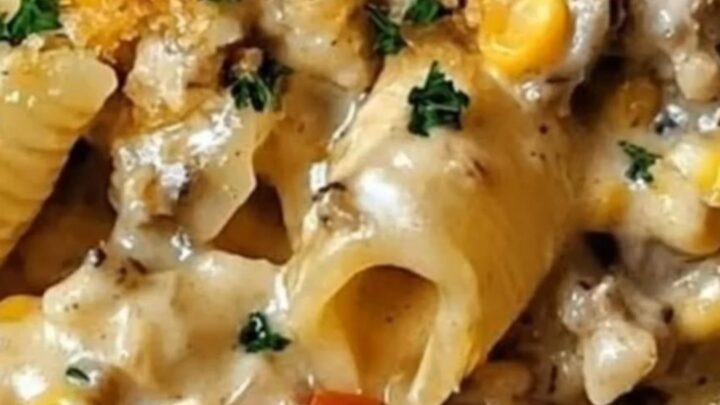
Creamy Rotisserie Chicken and Corn Pasta Shells Step-by-step instructions
- Prep
- Cook
- Total
- Serves
- 4
Before you start
Before beginning, ensure all ingredients are measured and ready to go, as the sauce comes together quickly once the heat is applied. Shred the rotisserie chicken into bite-sized pieces and discard any excess fat or skin. Grate the parmesan cheese finely so it incorporates smoothly into the sauce base.
Have a colander ready in the sink for the pasta and ensure your large skillet is clean and dry. Having everything organized will make the cooking process seamless and prevent the sauce from over-reducing while you hunt for missing components.
Ingredients at a glance (6)
- 1 lb pasta shells
- 2 cups rotisserie chicken, shredded
- 1 cup corn kernels
- 1 1/2 cups creamy sauce base
- 1/2 cup parmesan cheese, grated
- 1/2 cup bread crumbs
Instructions
Boiling the pasta
- Cook the pastaBring a large pot of salted water to a rolling boil. Add the pasta shells and cook according to the package directions until al dente. Drain the pasta using a colander and set aside while preparing the creamy sauce base.Look for The pasta should be tender but still hold its shape.Tip Save a small amount of pasta water in case the sauce needs thinning later.
The pasta is ready when it is al dente, meaning it is tender but still has a slight resistance when bitten. Ensure it is well-drained before adding it to the skillet to avoid diluting the sauce. The water should be heavily salted to season the pasta from the inside out, which is essential for a high-quality finished result. Check that the pasta is not sticking together in the colander by giving it a quick shake or a light toss before proceeding to the next step.
Creating the sauce
- Prepare the creamy sauceIn a large skillet over medium heat, pour in the creamy sauce base. Bring to a gentle simmer, then stir in the grated parmesan cheese until the sauce is smooth and slightly thickened. Add the shredded rotisserie chicken and corn kernels, stirring until everything is heated through and the chicken reaches 165°F (74°C).Look for The sauce should coat the back of a spoon evenly.Safe temperature 165°F (74°C) internal temperature (poultry)Tip Whisk constantly to ensure the cheese melts perfectly into the sauce without clumping.
The sauce is ready when the parmesan has fully melted into the sauce base and the mixture coats a wooden spoon smoothly. The chicken and corn should be heated through, and the sauce should have a rich, velvety appearance.
It should smell fragrant and savory, with the aroma of the cheese being the most prominent scent. If the sauce looks too thin, continue to simmer for an additional minute, but be careful not to let it reduce too much, as it will thicken further once the pasta is added.
Combining and finishing
- Combine and finishAdd the cooked pasta shells to the skillet with the sauce. Toss well to ensure every shell is thoroughly coated. Sprinkle the bread crumbs over the top and stir briefly to incorporate, allowing the crumbs to soak up some of the sauce for a soft, golden texture.Look for The mixture should look glossy, creamy, and steaming hot.Tip Serve immediately while the sauce is at its creamiest consistency.
The dish is complete when the pasta is thoroughly coated in the sauce and the breadcrumbs are evenly distributed. The skillet should look full and vibrant, with the corn providing pops of yellow against the creamy pasta.
The overall texture should be cohesive, with no dry patches or separated fat. Give it one final stir to ensure the distribution of chicken and corn is uniform throughout the pan, then remove it from the heat immediately to maintain the perfect consistency for serving.
Common mistakes
Avoid using high heat when preparing the sauce, as this can cause the sauce base to boil over or the parmesan to clump, leading to a grainy texture. Do not overcook the pasta during the initial boiling stage, as it will continue to absorb some liquid while being tossed in the skillet.
Another common mistake is adding too many breadcrumbs at once; incorporate them gradually to ensure they enhance the texture rather than turning the dish into a thick paste. Always monitor the heat levels carefully throughout the process.
How to tell it’s done
The dish is done when the sauce is thick enough to coat the back of a spoon and the internal temperature of the chicken has reached 165°F (74°C). The pasta should be tender throughout, and the sauce should appear glossy and smooth without any signs of separation. The breadcrumbs should look hydrated and slightly golden from the sauce. If the mixture seems too dry, a splash of water can be stirred in to restore the desired level of creaminess before serving the meal.
- Poultry: 165°F (74°C) in the thickest part
Up next · Part 3 of 3
2 variations · storage & make-ahead · 3 answers · printable card
Tips, FAQ & printable recipe (Part 3)← Back to the ingredients (Part 1)