Dinner · Part 2 of 3: Instructions
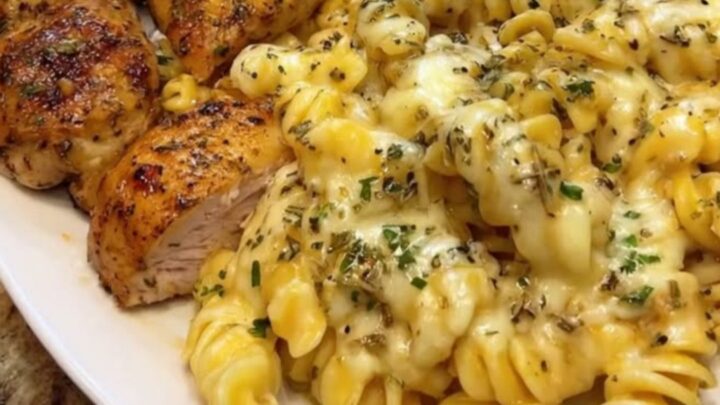
Creamy Parmesan Rotini with Garlic Butter Chicken Step-by-step instructions
- Prep
- Cook
- Total
- Serves
- 4
Before you start
Before starting, ensure all ingredients are measured and ready, as the cooking process moves quickly once the heat is turned on. Pat the chicken dry with paper towels to ensure a superior sear, and grate the parmesan cheese finely so it melts quickly into the sauce.
Having the pasta cooked and drained in advance allows for a seamless transition when it is time to combine the components, keeping the temperature consistent throughout the final assembly phase.
Ingredients at a glance (6)
- 1 1/2 lb boneless skinless chicken breasts, cut into bite-sized pieces
- 1 lb rotini pasta
- 4 cloves garlic, minced
- 4 tbsp unsalted butter
- 1 1/2 cups heavy cream
- 1 cup parmesan cheese, freshly grated
Instructions
Pasta preparation
- Prepare the pastaBring a large pot of salted water to a boil. Add the rotini pasta and cook according to the package directions until al dente. Drain the pasta using a colander and set aside while preparing the chicken and sauce.Look for The pasta should be tender but still firm to the bite.Tip Reserve a small splash of pasta water to help emulsify the sauce later if needed.
The rotini should be cooked until it reaches an al dente texture, meaning it is tender but maintains a slight bite. Drain well to ensure the pasta does not water down the sauce during the final assembly. At this stage, the pasta should look firm and hold its spiral shape well, ready to absorb the rich sauce that will be prepared in the next steps.
Searing the chicken
- Sear the chickenMelt two tablespoons of butter in a large skillet over medium-high heat. Add the chicken pieces in a single layer and sear until golden brown and cooked through, reaching an internal temperature of 165°F (74°C). Remove the chicken from the skillet and set aside to rest for at least 3 minutes.Look for The chicken pieces should have a deep golden crust and be opaque throughout.Safe temperature 165°F (74°C) internal temperature (poultry)Tip Do not overcrowd the pan to ensure the chicken sears properly rather than steaming.
The chicken pieces should have a deep, golden-brown crust on all sides. As they cook, the aroma of the browning meat should be prominent. Ensure the pieces are cooked through to 165°F (74°C) before removing them from the pan. The skillet should have some flavorful brown bits at the bottom, which will form the foundation of the garlic butter sauce.
Creating the sauce and final assembly
- Make the sauce and assembleIn the same skillet, melt the remaining butter and add the minced garlic. Sauté for one minute until fragrant. Pour in the heavy cream and bring to a gentle simmer. Stir in the parmesan cheese until melted and smooth. Return the chicken to the skillet, toss in the cooked rotini, and stir until every noodle is perfectly coated in the creamy sauce.Look for The sauce should thicken enough to coat the back of a spoon.Tip Keep the heat low once the cream is added to prevent the sauce from breaking or curdling.
The final sauce should be thick, creamy, and glossy, with the parmesan fully incorporated. When the chicken and pasta are tossed in, they should be evenly coated with no excess liquid pooling at the bottom of the pan.
The dish should smell intensely of garlic, butter, and cheese, with a warm, inviting appearance that is ready to be served immediately while piping hot.
Common mistakes
A common mistake is overcrowding the skillet while searing the chicken, which leads to steaming instead of browning. Another error is adding the parmesan cheese while the sauce is at a vigorous boil, which can cause the sauce to split or become grainy.
Always reduce the heat to a gentle simmer before adding the cheese to maintain a silky, smooth consistency that remains stable and appetizing until the moment the dish is served.
How to tell it’s done
The chicken is done when it is golden brown on the outside and opaque throughout, reaching an internal temperature of 165°F (74°C). The sauce is ready when it is thick enough to coat the back of a spoon and the cheese has completely melted into the cream without separating.
The pasta should be al dente, providing a slight resistance to the bite while being fully cooked through and thoroughly coated in the sauce.
- Poultry: 165°F (74°C) in the thickest part
Up next · Part 3 of 3
2 variations · storage & make-ahead · 3 answers · printable card
Tips, FAQ & printable recipe (Part 3)← Back to the ingredients (Part 1)