Dinner · Part 2 of 3: Instructions
Creamy Lemon Ricotta Pappardelle with Crispy Prosciutto & Peas Step-by-step instructions
- Prep
- Cook
- Total
- Serves
- 4
Before you start
Before starting, set a large pot of water on to boil with a generous amount of salt—it should taste like the sea.
Have all ingredients measured and within reach: ricotta at room temperature, lemon zested and juiced, prosciutto slices ready, and parmesan grated.
If using frozen peas, no need to thaw. Reserve a mug or measuring cup to scoop out the pasta water before draining.
Ingredients at a glance (9)
- 12 oz fresh pappardelle pasta
- 1 cup whole milk ricotta cheese
- 1 cup sweet green peas (fresh or frozen)
- 6 slices prosciutto di Parma
- 1 lemon, zested and juiced
- 2 tbsp butter
- 1/2 cup grated Parmigiano Reggiano
- 1/2 cup starchy pasta cooking water
- Freshly cracked black pepper, to taste
Instructions
Crisp and Boil
- Crisp the prosciutto and boil the pastaLay the prosciutto slices in a dry large skillet over medium heat. Cook until deeply crimson and brittle, about 3-4 minutes, flipping once. Transfer to a cutting board and let cool briefly, then crumble into crunchy shards. Meanwhile, bring a large pot of generously salted water to a boil. Add the fresh pappardelle and sweet peas, cooking for 3 minutes until the pasta is al dente. Reserve 1/2 cup of the starchy pasta cooking water, then drain the pasta and peas.Look for The prosciutto should be deeply browned and crisp enough to shatter when crumbled.Tip Keep the prosciutto in a single layer in the skillet; overcrowding will steam it instead of crisping.
- Make the lemon ricotta sauceIn the same large skillet (wipe out any excess fat if needed, but leave a little for flavor), add the butter and let it melt over medium heat. Whisk in the whole milk ricotta, lemon zest, lemon juice, and grated Parmigiano Reggiano. Gradually pour in the hot pasta water while whisking constantly, until a silky, creamy citrus sauce forms. Season with a pinch of salt if desired, but remember the prosciutto and parmesan are salty.Look for The sauce should be smooth and glossy, with no visible lumps of ricotta.Tip Keep the heat medium-low; high heat can cause the ricotta to curdle.
The prosciutto should be deeply crimson and brittle, with rendered fat in the skillet. The pasta and peas are cooked together, and you've reserved 1/2 cup of starchy water. The kitchen smells of sizzling prosciutto and fresh pasta.
Emulsify and Toss
- Toss the pasta with the sauceAdd the drained pappardelle and peas to the skillet with the sauce. Use tongs or a pasta fork to toss everything together, coating the wide ribbons evenly with the creamy lemon sauce. If the sauce seems too thick, add a splash more of the reserved pasta water to loosen it to a silky consistency.Look for Every ribbon should be coated in a glossy, creamy sauce that clings to the pasta.Tip Toss quickly but gently to avoid tearing the delicate fresh pasta.
- Finish with prosciutto and pepperRemove the skillet from the heat. Sprinkle the crispy prosciutto shards over the pasta, then finish with a generous amount of freshly cracked black pepper. Give the pasta one final gentle toss to distribute the prosciutto, or leave it on top for a dramatic presentation.Look for The prosciutto should remain crunchy, not soggy, so add it at the end.Tip For the best texture, add the prosciutto just before serving.
The sauce should be smooth, glossy, and slightly thickened, with no lumps of ricotta. The pappardelle is fully coated, and the peas are distributed throughout. The aroma is bright with lemon and rich with butter and cheese.
Finish and Serve
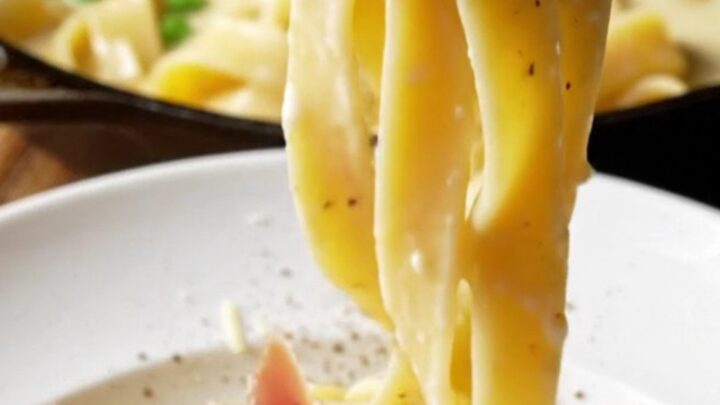
- Serve immediatelyDivide the pappardelle among warm bowls or plates. Garnish with an extra sprinkle of Parmigiano Reggiano and a little more cracked pepper if desired. Serve right away while the sauce is silky and the prosciutto is crunchy.Look for The pasta should look vibrant with green peas, golden prosciutto, and glossy sauce.Tip Warm the serving bowls in a low oven or with hot water to keep the pasta hot longer.
The prosciutto shards are crunchy and scattered over the pasta, with a generous crack of black pepper. The dish looks vibrant and elegant, ready to be served immediately. Take a moment to check the color, texture and aroma before you move on to the next step.
Common mistakes
One common mistake is overcooking the fresh pasta—it only needs 3 minutes, so watch it closely. Another is letting the sauce get too hot, which can cause the ricotta to curdle; keep the heat medium-low and whisk continuously.
Don't skip the pasta water—it's essential for creating a silky emulsion. And add the prosciutto at the very end to preserve its crunch.
How to tell it’s done
The dish is done when the pappardelle is al dente—tender but with a slight bite—and the sauce is silky and coats the pasta without being runny.
The prosciutto should be deeply browned and brittle enough to crumble into shards. Taste a ribbon: it should be creamy, bright with lemon, and seasoned perfectly from the prosciutto and parmesan.
Up next · Part 3 of 3
4 variations · storage & make-ahead · 5 answers · printable card
Tips, FAQ & printable recipe (Part 3)← Back to the ingredients (Part 1)