Dinner · Part 3 of 3: Tips & recipe card
Creamy Lemon Parmesan Chicken: A Simple Slow Cooker Dinner Tips, FAQ & printable recipe

- Prep
- Cook
- Total
- Serves
- 4
Tips for success
For a more robust flavor, you can sear the chicken breasts in a hot skillet for one minute per side before placing them in the slow cooker. This adds a layer of caramelized flavor that enhances the final sauce. However, this is entirely optional and not strictly necessary for achieving a delicious, creamy result.
If you prefer a thicker sauce, you can remove the chicken once it is cooked and whisk in a small amount of cornstarch slurry to the liquid in the slow cooker.
Turn the setting to high for an additional 10 minutes, stirring occasionally, until the sauce reaches your desired consistency. This simple adjustment allows you to customize the texture to suit your personal preferences perfectly.
Variations
- Herbed Lemon Chicken: Add two tablespoons of fresh chopped basil or parsley during the final 15 minutes of cooking for a vibrant, herbaceous flavor profile that complements the lemon.
- Spinach Parmesan Chicken: Stir in two cups of fresh baby spinach during the final 10 minutes of cooking. The heat will wilt the spinach perfectly into the creamy sauce.
Storage and make-ahead
- Fridge
- Keep in an airtight container for up to 3 days.
- Freezer
- Freeze for up to 1 month in a sealed container.
- Reheat
- Reheat gently on the stovetop over low heat, adding a splash of water or cream to loosen the sauce.
Store leftovers in an airtight container to keep the sauce from drying out. Place the container in the coldest part of the refrigerator as soon as the chicken has cooled to room temperature, which should take no more than two hours.
Properly stored, the chicken will remain fresh and flavorful for up to three days.
You can prepare the seasoning and garlic ahead of time, but it is best to assemble the ingredients in the slow cooker right before you intend to start cooking. This ensures the best texture for the chicken and the most vibrant flavor for the lemon pepper and cream sauce.
Serving ideas
Serve this dish over a bed of warm pasta, such as fettuccine or penne, to soak up the excess sauce. Alternatively, it pairs beautifully with steamed broccoli or roasted asparagus for a lower-carb option.
A side of crusty bread is also highly recommended for cleaning the plate of any remaining creamy lemon parmesan goodness.
For an elegant presentation, garnish the finished dish with a sprinkle of freshly chopped parsley or a few extra lemon zest curls. Serve the chicken immediately while it is hot and the sauce is at its peak consistency.
The combination of the bright lemon and the savory parmesan makes this a versatile main course that appeals to a wide variety of palates.
Frequently asked questions
Can this be made with chicken thighs?
Why did the sauce separate?
Can this be frozen?
Creamy Lemon Parmesan Chicken: A Simple Slow Cooker Dinner
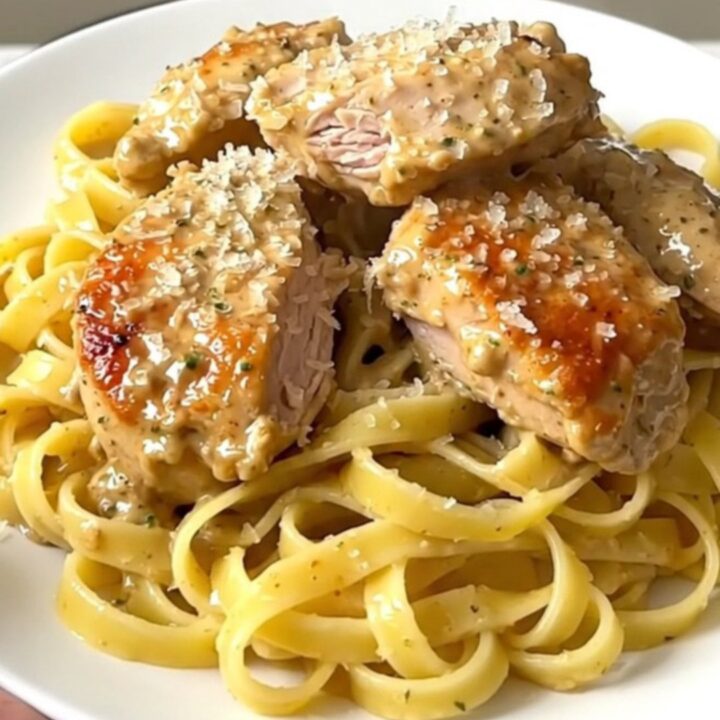
Ingredients
- 1 1/2 lb chicken breasts, boneless and skinless
- 2 tbsp minced garlic
- 1 tbsp lemon pepper seasoning
- 1 cup heavy cream
- 1/2 cup parmesan cheese, freshly grated
Instructions
- Place the raw chicken breasts into the base of the slow cooker. Ensure they are arranged in a single layer to allow for even cooking throughout the process.
- Scatter the minced garlic over the chicken breasts. Evenly sprinkle the lemon pepper seasoning across the top. Finally, pour the heavy cream over the ingredients until the chicken is partially submerged.
- Cover and cook on low for 4 hours until the chicken reaches an internal temperature of 165°F (74°C). Stir in the parmesan cheese during the last 15 minutes of cooking. Let the chicken rest for 5 minutes before serving.
Estimated nutrition per serving
- Calories
- 420
- Protein
- 35 g
- Carbohydrates
- 6 g
- Fat
- 28 g
- Fiber
- 0.5 g
- Sugar
- 2 g
- Sodium
- 650 mg
Next recipe

Easy Slow Cooker Ground Beef Burrito Filling
See the recipe → →This recipe is based on a short cooking video and is published under the pen name Clara Weller. It was checked before publication, but errors can slip through. Nutrition, when shown, is an estimate. Read more in our editorial policy and on our food safety page.
More recipes to try
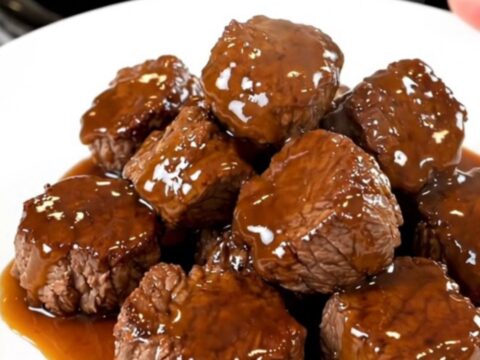
Crockpot Honey Garlic Steak Bites for an Easy Weeknight Dinner
Total time: 4 h 15 min
Slow Cooker Roasted Red Pepper Chicken Chili
Total time: 4 h 10 min
Crockpot Sweet Onion and Bacon Pot Roast
Total time: 8 h 20 min
Slow Cooker Bacon Cheeseburger Chili for Easy Weeknight Dinners
Total time: 4 h 10 min
Slow Cooker Cheesy Italian Sausage Tortellini Bake
Total time: 4 h 15 min