Dinner · Part 3 of 3: Tips & recipe card
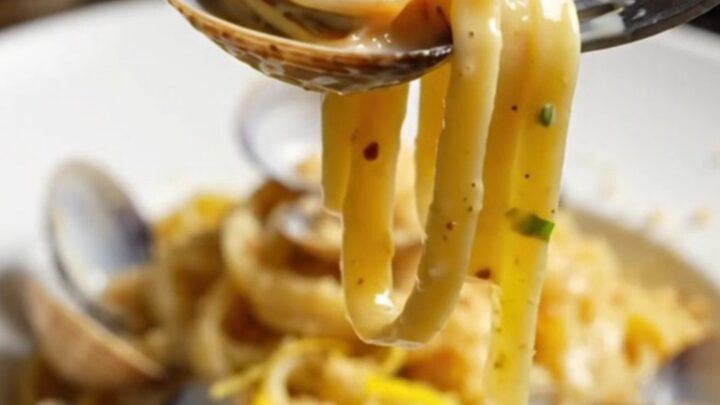
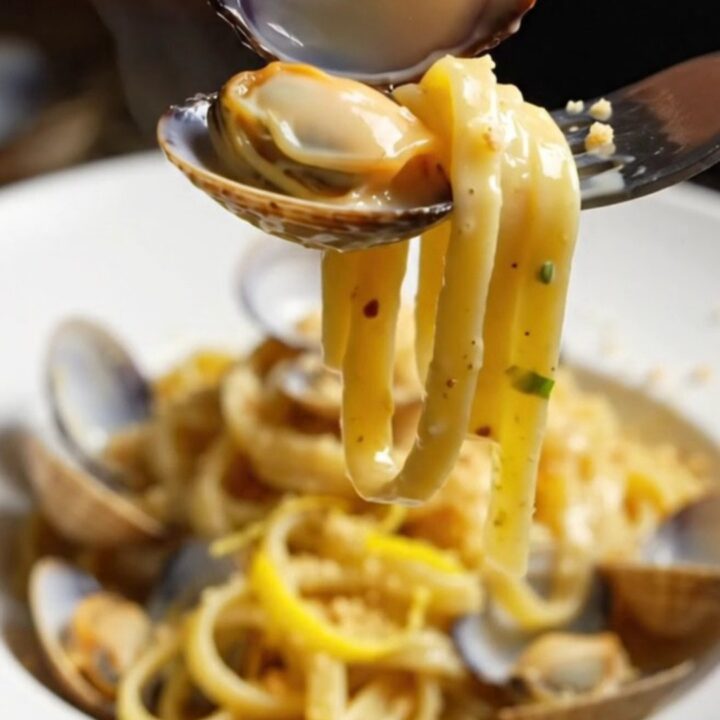
Creamy Lemon Garlic Butter Clam Pasta with Crispy Pangrattato Tips, FAQ & printable recipe
- Prep
- Cook
- Total
- Serves
- 4
Tips for success
To get the most flavor from the lemon, zest it before juicing. Use a microplane and only the yellow part, avoiding the white pith, which is bitter.
The zest is added at the end to preserve its essential oils and bright aroma. If you want a stronger lemon presence, add a little lemon juice to the sauce as well, but be careful not to overpower the delicate clam flavor.
When toasting the pangrattato, use a light hand with the oil—just enough to coat the breadcrumbs. Too much oil will make them greasy instead of crisp.
Also, let them cool completely before storing; they will stay crunchy for a day or two in an airtight container. For the best texture, make them fresh just before serving, but they can be made a few hours ahead and kept at room temperature.
Variations
- Spicy Arrabbiata Twist: Add an extra teaspoon of chili flakes and a can of diced tomatoes with the wine for a red, spicy version. Omit the cream and use a little more olive oil for a lighter, yet still flavorful, sauce.
- Herb-Infused Version: Stir in a handful of fresh basil or oregano along with the parsley in the pangrattato. For the sauce, add a sprig of thyme while steaming the clams, then remove it before serving. This adds an extra layer of aromatic freshness.
- Seafood Medley: Replace half of the clams with shrimp or scallops. Sear the shrimp or scallops briefly in the skillet before steaming the clams, then set them aside and add them back at the end. This turns the dish into a luxurious seafood pasta.
- Gluten-Free Adaptation: Use gluten-free linguine made from rice or corn. Ensure the breadcrumbs are also gluten-free (use gluten-free panko or crushed rice crackers). The rest of the recipe remains unchanged, offering the same creamy, briny goodness without the gluten.
Storage and make-ahead
- Fridge
- Store leftovers in an airtight container in the refrigerator for up to 2 days. The sauce may thicken; add a splash of water when reheating.
- Freezer
- Not recommended for freezing, as the creamy sauce may separate and the clams become tough.
- Reheat
- Reheat gently on the stovetop over low heat, adding a splash of water or milk to loosen the sauce. Avoid microwaving at high power to prevent rubbery clams.
Leftover pasta can be stored in an airtight container in the refrigerator for up to 2 days. The sauce may thicken as it cools, so when reheating, add a splash of water or milk to loosen it.
Reheat gently on the stovetop or in the microwave, being careful not to overcook the clams, which can become rubbery. The pangrattato is best stored separately and sprinkled on just before serving to maintain its crunch.
The pangrattato can be made up to 2 days ahead and stored in an airtight container at room temperature. The clams can be scrubbed and refrigerated a few hours before cooking.
However, the pasta is best cooked fresh, as reheated pasta can become mushy and the sauce may separate. If you need to prepare ahead, cook the clams and make the sauce, then toss with freshly cooked pasta just before serving.
Serving ideas
This dish is a showstopper on its own, but it pairs beautifully with a crisp green salad dressed with lemon vinaigrette and a glass of the same white wine used in the sauce. For a more substantial meal, serve with crusty bread to soak up every last drop of the creamy sauce. The bright, briny flavors also work well with a side of roasted asparagus or sautéed spinach.
When plating, twirl the pasta into neat nests using tongs, then arrange the clams on top. Shower generously with the pangrattato so every bite has a crunch. Garnish with a few extra parsley leaves and lemon wedges on the side. Serve immediately, as the dish is best enjoyed hot and the breadcrumbs lose their crispness if left to sit.
Frequently asked questions
Can this pasta be made without wine?
Why did your sauce separate?
How do you clean clams properly?
Can you use frozen clams instead of fresh?
What is pangrattato and why is it used?
Creamy Lemon Garlic Butter Clam Pasta with Crispy Pangrattato
Ingredients
- 300 g linguine pasta
- 600 g fresh clams in shells, scrubbed
- 3 tbsp olive oil
- 30 g butter
- 4 cloves garlic, sliced
- 1/2 tsp chili flakes
- 120 ml dry white wine
- 80 ml heavy cream
- 50 g panko breadcrumbs
- 2 tbsp fresh parsley, minced
- 1 tbsp lemon zest (from about 1 lemon)
Instructions
- In a small skillet, heat 1 tablespoon of the olive oil over medium heat. Add the panko breadcrumbs and minced garlic. Cook, stirring frequently, until the breadcrumbs are golden brown and crunchy, about 3 to 4 minutes. Remove from heat and stir in the parsley. Set aside.
- Bring a large pot of salted water to a boil. Add the linguine and cook according to package instructions until al dente. Reserve about 1 cup of pasta water before draining.
- In a large skillet, heat the remaining 2 tablespoons of olive oil over medium heat. Add the sliced garlic and chili flakes. Sauté until the garlic is fragrant and lightly golden, about 1 minute, being careful not to burn it.
- Add the fresh clams to the skillet and pour in the dry white wine. Cover with a lid and let steam for about 4 minutes, until the clams have opened. Discard any clams that remain closed.
- Remove the skillet from the heat. Add the butter and heavy cream, swirling until the butter melts and the sauce becomes glossy. Stir in the lemon zest.
- Add the drained linguine to the skillet with the clam sauce. Toss everything together over low heat, adding a splash of reserved pasta water if needed to loosen the sauce. The pasta should be well coated and glossy.
- Divide the pasta among serving bowls. Top each bowl generously with the toasted pangrattato and a few extra clams. Serve immediately, with lemon wedges if desired.
Estimated nutrition per serving
- Calories
- 620
- Protein
- 24 g
- Carbohydrates
- 72 g
- Fat
- 26 g
Next recipe
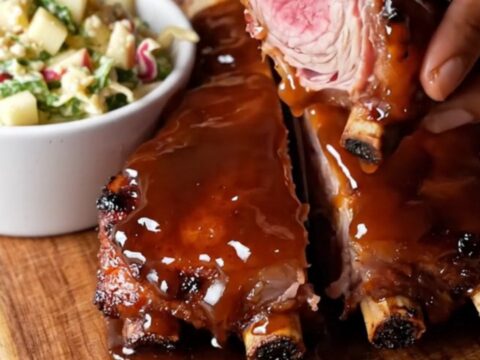
Sticky Bourbon Glazed Baby Back Ribs with Apple Slaw
See the recipe → →This recipe is based on a short cooking video and is published under the pen name Clara Weller. It was checked before publication, but errors can slip through. Nutrition, when shown, is an estimate. Read more in our editorial policy and on our food safety page.
More recipes to try
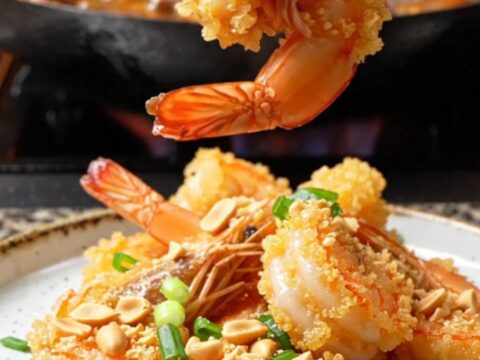
Crispy Szechuan Bang Bang Shrimp with Toasted Peanuts
Total time: 20 min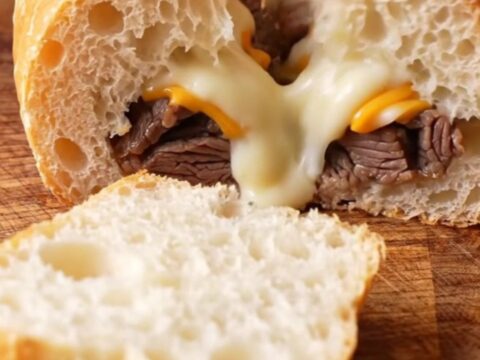
Loaded Philly Cheesesteak Stuffed French Baguette
Total time: 45 min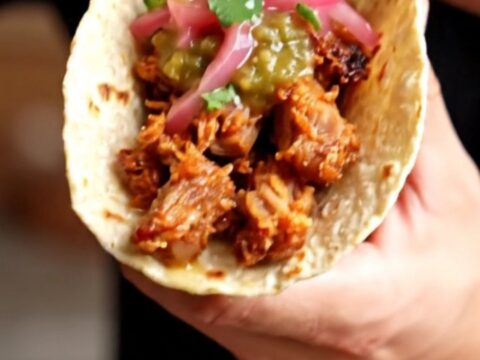
Crispy Slow-Cooker Carnitas Tacos with Salsa Verde & Pickled Onions
Total time: 8 h 30 min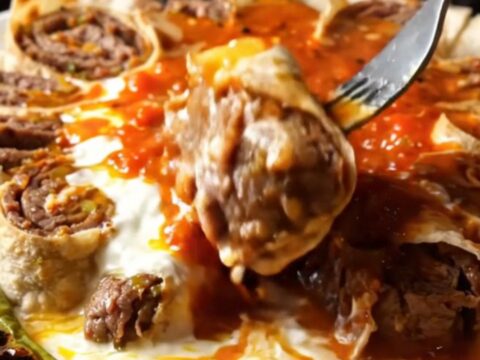
Turkish Beyti Kebab Rolled in Lavash with Garlic Yogurt & Brown Butter
Total time: 45 min
Velvety Red Lentil Soup with Sizzling Aleppo Butter
Total time: 40 min