Dinner · Part 2 of 3: Instructions
Creamy Ham and Sauerkraut Slow Cooker Soup Step-by-step instructions
- Prep
- Cook
- Total
- Serves
- 6
Before you start
Before starting, ensure all your ingredients are properly prepared. Cube the cooked ham into uniform, bite-sized pieces to ensure consistent cooking. Peel and dice your gold potatoes into equal-sized cubes so they soften at the same rate.
Drain the sauerkraut thoroughly using a colander to remove excess brine, which prevents the soup from becoming overly salty or acidic. Have your measuring spoons ready for the caraway seeds and ensure your slow cooker insert is clean and placed on a stable, heat-resistant surface in your kitchen.
Ingredients at a glance (5)
- 2 cups cooked ham, cubed
- 1 cup sauerkraut, drained
- 2 cups gold potatoes, diced
- 1 tsp caraway seeds
- 4 cups creamy chicken broth
Instructions
Layering the base
- Layer the ingredientsPlace the cubed cooked ham at the bottom of the slow cooker insert. Add the drained sauerkraut and the diced gold potatoes on top of the ham in an even layer.Look for ensure the ham covers the bottom of the slow cooker baseTip draining the sauerkraut well prevents the soup from becoming too acidic
At this stage, your slow cooker should be neatly layered with the ham on the bottom, followed by the sauerkraut and potatoes. The ingredients should be arranged evenly to ensure uniform heat distribution. Check that you have not overfilled the cooker; there should be enough room for the liquid to be added without spilling over the sides when the lid is placed on top later.
Adding aromatics and liquid
- Season and add liquidSprinkle the caraway seeds evenly over the potato and sauerkraut layer. Pour the creamy chicken broth over the ingredients until everything is well submerged in the liquid.Look for the liquid should just cover the top of the potato and sauerkraut mixtureTip distribute the caraway seeds evenly to ensure a consistent flavor profile throughout the soup
Once the caraway seeds are sprinkled and the creamy broth is added, the ingredients should look well-submerged. The caraway seeds should be visible across the top layer. Check that the broth has reached the edges of the potatoes. The setup should look organized and ready for the long, slow heat application that will transform these raw and pre-cooked components into a cohesive, flavorful soup.
Slow cooking process
- Slow cook until tenderCover the slow cooker with its lid and cook on low heat for 4 hours until the potatoes are fork-tender and the flavors are melded together. Serve hot in bowls.Look for the potatoes should be soft enough to pierce easily with a forkTip avoid opening the lid during the cooking process to maintain a consistent internal temperature
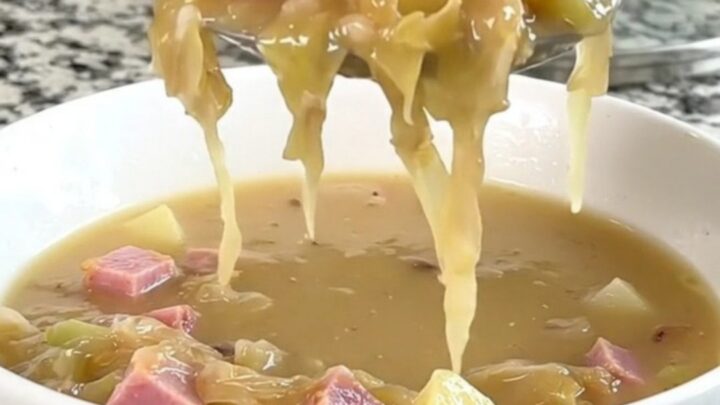
After the cooking time, the soup should look rich and opaque. The potatoes will be soft, and the sauerkraut will have mellowed significantly. The kitchen should smell aromatic from the caraway seeds.
Before serving, give the soup a gentle stir to ensure the creamy broth is perfectly incorporated throughout. The consistency should be thick and comforting, ready to be ladled into bowls for immediate serving.
Common mistakes
A common mistake is failing to drain the sauerkraut adequately, which can result in a soup that is far too sour and thin. Another error is cutting the potatoes into pieces that are too large, which will lead to uneven cooking and raw centers even after four hours.
Avoid lifting the lid frequently to check on the progress, as this releases heat and moisture, significantly extending the required cooking time and potentially preventing the potatoes from reaching the desired tender texture.
How to tell it’s done
The soup is ready when the potatoes are fork-tender and the liquid has thickened slightly into a creamy consistency. The flavors should be well-integrated, with the tang of the sauerkraut balanced by the richness of the broth.
Since the ham is already cooked, you are primarily waiting for the vegetables to soften and the flavors to meld. There is no need for a thermometer as there are no raw proteins in this dish; simply check the texture of the potatoes.
Up next · Part 3 of 3
2 variations · storage & make-ahead · 3 answers · printable card
Tips, FAQ & printable recipe (Part 3)← Back to the ingredients (Part 1)