Dinner · Part 1 of 3: Ingredients
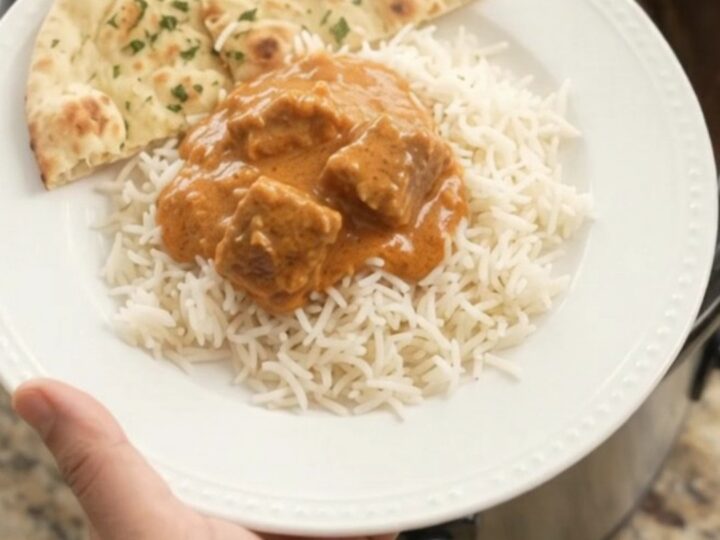
Creamy Ghee Makhani Masala Lamb Cubes: Slow-Cooker Wonder
- Prep
- Cook
- Total
- Serves
- 6
This slow cooker makhani masala lamb is the definition of set-and-forget cooking. Cubed lamb shoulder simmers for hours in a velvety sauce of spiced tomato puree, ginger, garlic, and a swirl of ghee and heavy cream.
The result is fork-tender meat enveloped in a rich, glossy gravy that tastes like it simmered all day — because it did. Serve it over fluffy basmati rice with warm naan for a dinner that feels both indulgent and effortless.
Makhani, meaning 'buttery' in Hindi, is a classic Indian curry style known for its silky, tomato-based sauce enriched with cream and butter. This version uses ghee, which adds a nutty depth, and lets the slow cooker do all the work. The lamb shoulder becomes meltingly tender as it braises low and slow, absorbing the aromatic spices.
The result is a deeply satisfying dish that tastes like it came from a restaurant kitchen, yet requires only a few minutes of hands-on time. Whether you're new to Indian cooking or a seasoned pro, this dump-and-go recipe will become a staple in your rotation.
Ingredients
- 2 lb cubed lamb shoulder
- 2 cups spiced tomato puree
- 2 tbsp grated fresh ginger
- 6 cloves garlic, minced
- 1/4 cup ghee
- 1 cup heavy whipping cream
- 1 1/2 tsp kosher salt
Why this recipe works
Slow cooking is the secret to transforming a tough cut like lamb shoulder into buttery-soft morsels. The low, steady heat breaks down collagen, turning it into gelatin that enriches the sauce.
Because the lamb simmers in the tomato-cream mixture, every cube absorbs the spices, making each bite intensely flavorful. The long cooking time also allows the ghee and cream to emulsify into a glossy, velvety gravy that clings to the meat.
The beauty of this recipe lies in its simplicity. There's no searing, no sautéing, no constant stirring. You simply layer the ingredients in the slow cooker and let time work its magic.
The ghee adds a rich, nutty aroma, while the cream mellows the acidity of the tomatoes, creating a balanced sauce. This hands-off approach ensures a stress-free cooking experience, yielding a dish that tastes far more complex than the effort it requires.
Notes and substitutions
Lamb shoulder is ideal for slow cooking because it has enough fat and connective tissue to become tender without drying out. If you prefer, you can use lamb stew meat, but shoulder is preferred. The spiced tomato puree is the backbone of the dish; it should be well-seasoned with garam masala, coriander, cumin, and a touch of chili. If you don't have a pre-made spiced puree, simply add these spices to plain tomato puree.
Ghee is clarified butter with a high smoke point and a nutty flavor; it's essential for authentic makhani. Heavy cream adds richness and helps thicken the sauce. You can substitute half-and-half for a lighter sauce, but the texture will be less luxurious. For a dairy-free version, use coconut oil instead of ghee and full-fat coconut milk instead of cream. The slow cooker does the rest.
- lamb shoulder: Beef chuck or pork shoulder, cut into 1-inch cubes
- ghee: Unsalted butter or coconut oil
- heavy whipping cream: Full-fat coconut milk for a dairy-free version
- spiced tomato puree: Plain tomato puree plus 1 tbsp garam masala
Equipment
- 6-quart slow cooker
- Measuring cups and spoons
- Chef's knife
- Cutting board
- Wooden spoon
- Serving spoon
Up next · Part 2 of 3
8 steps · 6 h of cooking · what to look for at each stage
Step-by-step instructions (Part 2)